

A mother's story
"Everytime I look back, I'm proud that I quit drugs, that I had the strength not to collapse in the face of setbacks, to protect my children, so that they wouldn't be left alone or have to grow up every day seeing both their father and mother lose their way.”
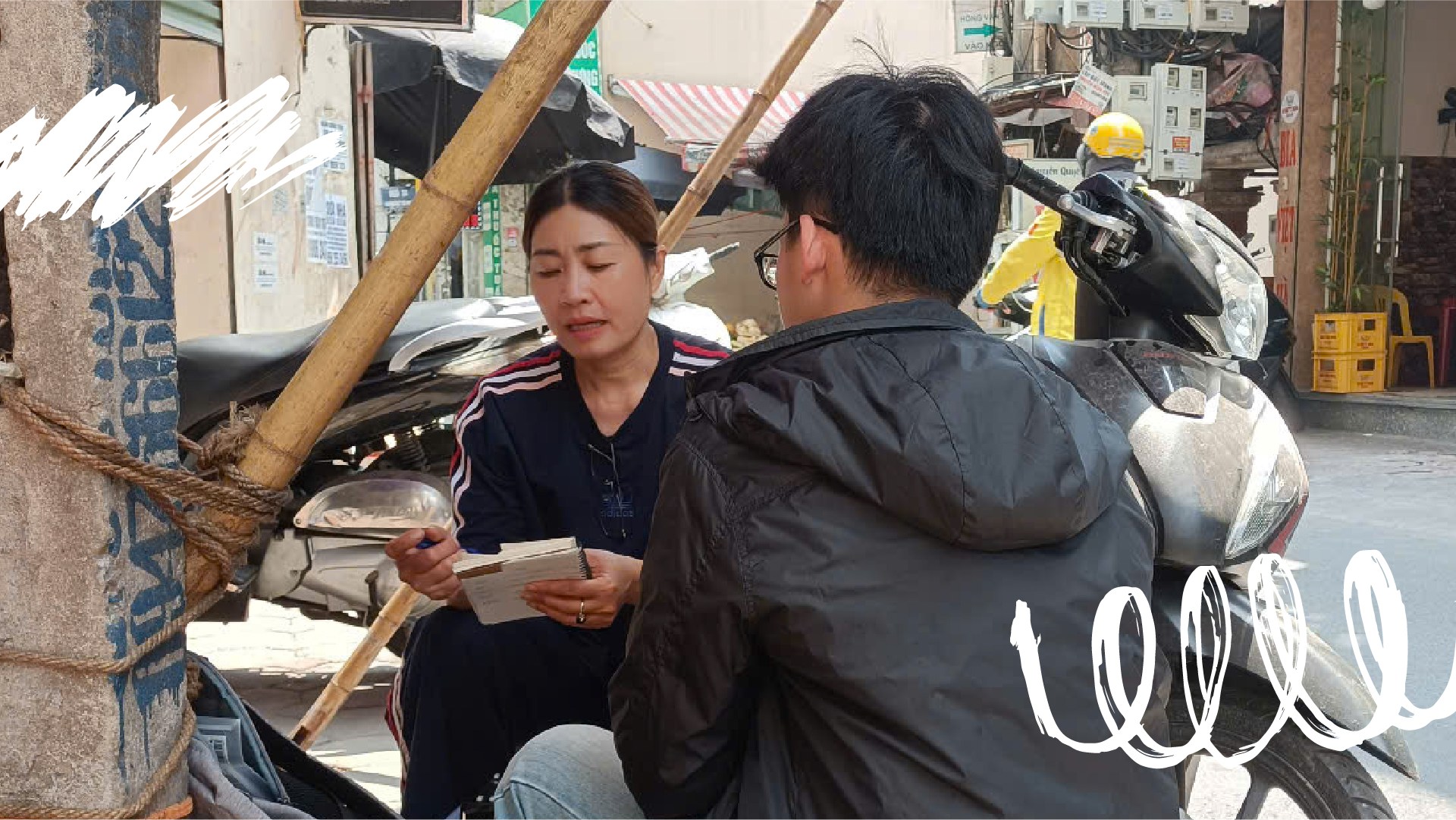
When we first met Hạnh at the SCDI office in Ho Chi Minh City, we were surprised. The image of a woman with bright eyes, a strong and experienced appearance, and a radiant smile stood in stark contrast to what we had heard about her before, a life story full of ups and downs and hardships.
She led us back into her past, sharing memories that were far from happy, where she turned to drugs as a temporary escape from dark days, and how reconnecting with herself became the starting point for healing with her family and with society.
She led us back into her past, sharing memories that were far from happy, where she turned to drugs as a temporary escape from dark days, and how reconnecting with herself became the starting point for healing with her family and with society.
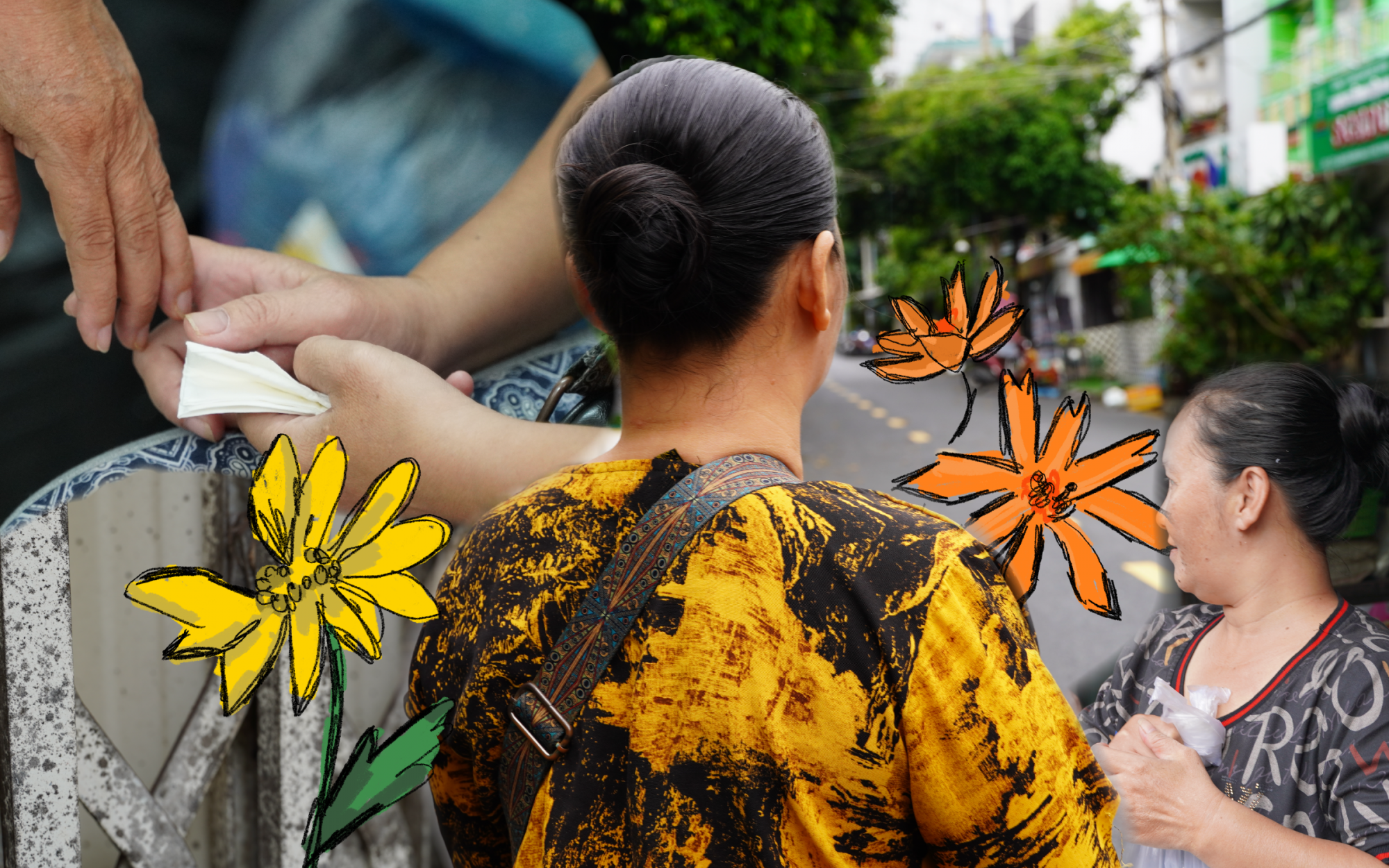
For nearly 13 years, rain or shine, Hạnh has always woken up at 5:30 a.m. She has grown accustomed to waking early to cook, prepare clothes, and get schoolbooks ready for her three children: one in eighth grade, one in fourth grade, and one just starting first grade.
Her busy day truly begins after her three children go to school, with a visit to the health facility to take methadone (medication used to treat opioid addiction). She manages the housework while also taking on hourly cleaning jobs to earn a living and to make sure her children can attend school. She recounts this arduous life with a radiant face, "It's the same every day, I'm used to it; it's just normal." Few would imagine that this very routine has brought her the sense of peace she had long yearned for over so many years.
At times, when night falls and the children are asleep, she sits quietly in a corner of the kitchen, letting memories flood back. Some things may seem long past, yet the wounds still linger somewhere deep within, quietly aching.
Her busy day truly begins after her three children go to school, with a visit to the health facility to take methadone (medication used to treat opioid addiction). She manages the housework while also taking on hourly cleaning jobs to earn a living and to make sure her children can attend school. She recounts this arduous life with a radiant face, "It's the same every day, I'm used to it; it's just normal." Few would imagine that this very routine has brought her the sense of peace she had long yearned for over so many years.
At times, when night falls and the children are asleep, she sits quietly in a corner of the kitchen, letting memories flood back. Some things may seem long past, yet the wounds still linger somewhere deep within, quietly aching.
Stormy days
Hạnh's life has been a bumpy and difficult journey, marked by years of lacking parental love. Her parents separated when she was young, each pursuing their own life, one with a new family, the other busy with work. Their care, attention, and responsibility were gradually reduced to monthly financial support.
For a child entering adolescence, full of curiosity, the emptiness inside can feel easiest to fill with joy and a sense of “belonging” found among friends. “I was just a kid. Back then, I only thought I’d try it once to see what it was like; I never thought I’d become addicted. Smoking like that felt so cool.”
In the 1990s, heroin was rampant everywhere, but information about it was almost nonexistent. It started as mere curiosity, then gradually spiraled out of control.
"At first, I didn't notice any impact on my health, but when I stopped using it, I felt sleepy, yawned a lot, felt tired, and even had a fever. When I started using it again, I felt refreshed. That was when I realized I was addicted."
“I went to rehab many times, but each time it was agonizing and painful. I couldn't eat or drink, and I became very thin. When my parents found out, they just said, ‘We’ll give you money, but don’t bother or affect anyone else.’ At that time, I knew I had no one to rely on, and I didn’t need anyone at all.”
However, deep down, the longing for love, for someone to listen and share with, was always present.
For a child entering adolescence, full of curiosity, the emptiness inside can feel easiest to fill with joy and a sense of “belonging” found among friends. “I was just a kid. Back then, I only thought I’d try it once to see what it was like; I never thought I’d become addicted. Smoking like that felt so cool.”
In the 1990s, heroin was rampant everywhere, but information about it was almost nonexistent. It started as mere curiosity, then gradually spiraled out of control.
"At first, I didn't notice any impact on my health, but when I stopped using it, I felt sleepy, yawned a lot, felt tired, and even had a fever. When I started using it again, I felt refreshed. That was when I realized I was addicted."
“I went to rehab many times, but each time it was agonizing and painful. I couldn't eat or drink, and I became very thin. When my parents found out, they just said, ‘We’ll give you money, but don’t bother or affect anyone else.’ At that time, I knew I had no one to rely on, and I didn’t need anyone at all.”
However, deep down, the longing for love, for someone to listen and share with, was always present.
I always wished to have someone by my side, someone to lean on, I didn’t want that person to go far away...
In 2000, at the age of 19, Hạnh married her first husband. But the marriage soon fell apart when she went to rehab for six years. The dark period was not frightening because of the pain and suffering of rehab, but because of the loneliness and emptiness of having no one waiting for her, no place to return to.

“Every time I felt scared or depressed, I turned to drugs. In those moments, all I wanted was to give up.” The cycle continued, detoxed, then relapsed. She was completely alone on her path to recovery.
In 2006, she met and married her second husband, with whom she had three children, and with whom she placed all her hopes for a better life. The first turning point came in 2012, when she learned she was pregnant with her first child. Becoming a mother motivated her to reflect on herself, and for the first time, she had a clear reason to change.
Together with her husband, Hạnh decided to enroll in methadone treatment to break free from opioid dependence. She believed that it would be her peaceful haven to begin again with her new family. However, the invisible challenges and constraints from her family and her partner, who shared a similar past, make her journey to find peace still fraught with difficulties.
“Every time I felt scared or depressed, I turned to drugs. In those moments, all I wanted was to give up.” The cycle continued, detoxed, then relapsed. She was completely alone on her path to recovery.
In 2006, she met and married her second husband, with whom she had three children, and with whom she placed all her hopes for a better life. The first turning point came in 2012, when she learned she was pregnant with her first child. Becoming a mother motivated her to reflect on herself, and for the first time, she had a clear reason to change.
Together with her husband, Hạnh decided to enroll in methadone treatment to break free from opioid dependence. She believed that it would be her peaceful haven to begin again with her new family. However, the invisible challenges and constraints from her family and her partner, who shared a similar past, make her journey to find peace still fraught with difficulties.
When home is no longer a place of peace
Her current family was once the embodiment of all the hope and love that Hạnh entrusted to make up for a childhood filled with deprivation. However, her husband, the man she once believed would help her rebuild her life, failed to provide her with a peaceful home. After several years of methadone treatment, he relapsed. The money they earned was also squandered on gambling, leaving all the burdens of the family to fall on her shoulders.
The couple lived with the husband's mother, an elderly woman whose mental health was deteriorating. The atmosphere in the house was constantly filled with simmering, unspoken conflicts.
The couple lived with the husband's mother, an elderly woman whose mental health was deteriorating. The atmosphere in the house was constantly filled with simmering, unspoken conflicts.
Whether my day was peaceful or not depended on my mother-in-law’s mood: If she was happy, the house was peaceful; if she wasn’t, everything would be turned upside down.
“There were nights when I came home late from work, and I didn’t dare open the door for fear of waking my mother-in-law. I would sit outside in the park all night until 6:30 in the morning before daring to go inside. On stormy days, I would sit on the street or sleep in the park for fear of disturbing her.”
Life became even more difficult when her second and third children were born. Unable to secure a full-time job, Hạnh took on any odd jobs she could find to make ends meet and have time to care for her children. But that effort became grounds for criticism, as both her mother-in-law and her husband - the man she once saw as her anchor – insisted that money mattered above all else, and that "whoever earns the money gets to have a voice."
“My husband’s house is very spacious, but the space for my children and me is just a small wooden platform and a hammock to sleep in. Our belongings have to be left outside in the alley; we’re not allowed to bring them inside. Every morning, I wake up early to tidy everything away. Even on days when the children don’t have school, they’re not allowed to sleep in, so I can pack things neatly and avoid bothering their grandmother.”
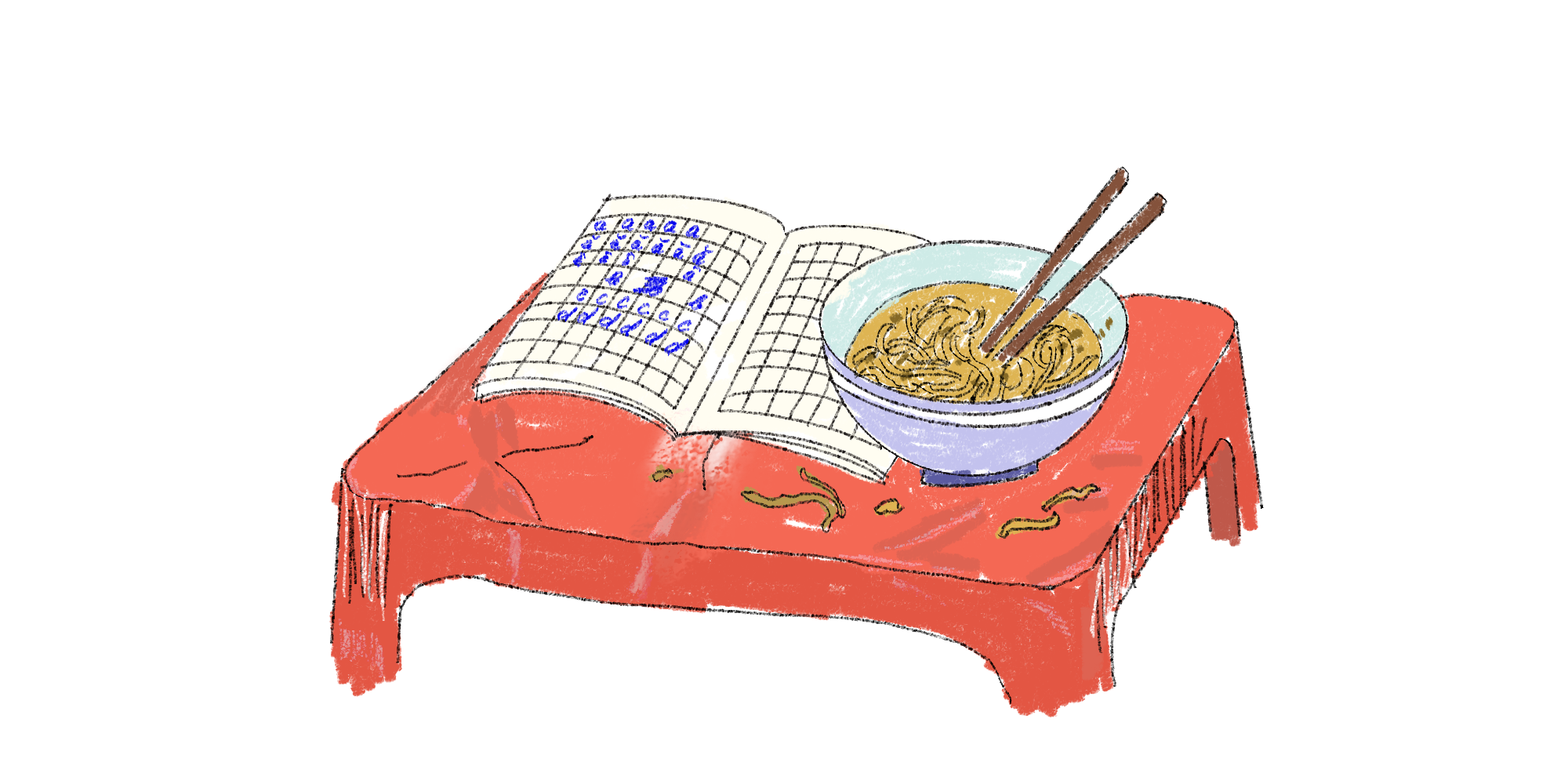
“The children only have a low plastic table that serves as both a dining table and a study table. Sometimes they curl up to study or lie stretched out on the wooden platform. It breaks my heart seeing them like that, wishing they had their own room. Those thoughts leave me feeling incredibly frustrated, suffocated, and filled with regret.”
The conflict between Hạnh and her mother-in-law grew increasingly intense, while her husband became more and more distant, no longer caring for or protecting the family. The atmosphere in the house was always tense, like a stretched wire. Harsh words, suspicion, and arguments were repeated almost daily, and at times escalated into physical violence.
Yet Hạnh continued to endure, day after day. “I’m trying my best for my child. I could easily leave and find myself a warm, comfortable place to stay, but I have to be with my child, protect them, because if I leave, they can be beaten and verbally abused at home.”
Life became even more difficult when her second and third children were born. Unable to secure a full-time job, Hạnh took on any odd jobs she could find to make ends meet and have time to care for her children. But that effort became grounds for criticism, as both her mother-in-law and her husband - the man she once saw as her anchor – insisted that money mattered above all else, and that "whoever earns the money gets to have a voice."
“My husband’s house is very spacious, but the space for my children and me is just a small wooden platform and a hammock to sleep in. Our belongings have to be left outside in the alley; we’re not allowed to bring them inside. Every morning, I wake up early to tidy everything away. Even on days when the children don’t have school, they’re not allowed to sleep in, so I can pack things neatly and avoid bothering their grandmother.”
“The children only have a low plastic table that serves as both a dining table and a study table. Sometimes they curl up to study or lie stretched out on the wooden platform. It breaks my heart seeing them like that, wishing they had their own room. Those thoughts leave me feeling incredibly frustrated, suffocated, and filled with regret.”
The conflict between Hạnh and her mother-in-law grew increasingly intense, while her husband became more and more distant, no longer caring for or protecting the family. The atmosphere in the house was always tense, like a stretched wire. Harsh words, suspicion, and arguments were repeated almost daily, and at times escalated into physical violence.
Yet Hạnh continued to endure, day after day. “I’m trying my best for my child. I could easily leave and find myself a warm, comfortable place to stay, but I have to be with my child, protect them, because if I leave, they can be beaten and verbally abused at home.”
The children don’t deserve to live in such an environment!
“The children don’t deserve to live in such an environment, listening to adults cursing and scolding each other all day long. When my mother-in-law hit me, my children rushed in to stop her and cried loudly”.
The dream of a warm and loving family, seemingly simple, now feels so fragile and distant. Negative emotions and long-suppressed frustrations, with no space to be shared, are like the straw that breaks the camel’s back, like an undercurrent that drowns all efforts and hopes.
The dream of a warm and loving family, seemingly simple, now feels so fragile and distant. Negative emotions and long-suppressed frustrations, with no space to be shared, are like the straw that breaks the camel’s back, like an undercurrent that drowns all efforts and hopes.
The last straw
At the end of 2024, Hạnh’s husband was sentenced to prison for drug use. From that moment on, the weight on the shoulders of the mother of three grew heavier than ever. Alone, she had to take on whatever work she could find to make ends meet, from cleaning, laundry, to hourly labor. Her income was meager, barely 3.5 million VND per month, yet it had to cover everything: food, electricity, water, school expenses, methadone treatment, and more. Each passing day was not only a struggle for daily necessities but also a suffocating sense of frustration and self-pity, like a wound that would never heal.
“I live a virtuous life, I don't harm anyone, I don't affect anyone, but why am I suffering so much? Why do so many tragedies keep falling on me? There were times when I felt hopeless, I took my two children to a bridge and was about to jump, but then they reached out and held me back.”

In her most desperate moments, Hạnh turned to methamphetamine as a remedy for her soul.
“When I felt completely hopeless, I turned to meth. I felt powerless. Only then could I escape the suffering, even if just for a short while. Sometimes it felt like without it, I would die, that I simply couldn’t go on.”
“The first time I used meth, I was bedridden for three days, unable to get up, and even considered writing my last words to my children. But in subsequent uses, I felt lucid and able to do many things, even cleaning an entire house in a single day. When I used it, closing my eyes would reveal various scenes, but each one was beautiful. It was like a temporary escape from the suffocating deadlocks I was experiencing.”
“It was like a friend who listened to me, without asking questions or judging. Now that I’ve given it up, who else would I share with?” Hạnh recounted those days in a calm voice, as if everything was meant to be that way. Yet beneath her words lies the loneliness of someone who had gradually lost her connection with everything around her, with the community, with her family, and with herself.
“I live a virtuous life, I don't harm anyone, I don't affect anyone, but why am I suffering so much? Why do so many tragedies keep falling on me? There were times when I felt hopeless, I took my two children to a bridge and was about to jump, but then they reached out and held me back.”
In her most desperate moments, Hạnh turned to methamphetamine as a remedy for her soul.
“When I felt completely hopeless, I turned to meth. I felt powerless. Only then could I escape the suffering, even if just for a short while. Sometimes it felt like without it, I would die, that I simply couldn’t go on.”
“The first time I used meth, I was bedridden for three days, unable to get up, and even considered writing my last words to my children. But in subsequent uses, I felt lucid and able to do many things, even cleaning an entire house in a single day. When I used it, closing my eyes would reveal various scenes, but each one was beautiful. It was like a temporary escape from the suffocating deadlocks I was experiencing.”
“It was like a friend who listened to me, without asking questions or judging. Now that I’ve given it up, who else would I share with?” Hạnh recounted those days in a calm voice, as if everything was meant to be that way. Yet beneath her words lies the loneliness of someone who had gradually lost her connection with everything around her, with the community, with her family, and with herself.
Reconnecting, rediscovering herself
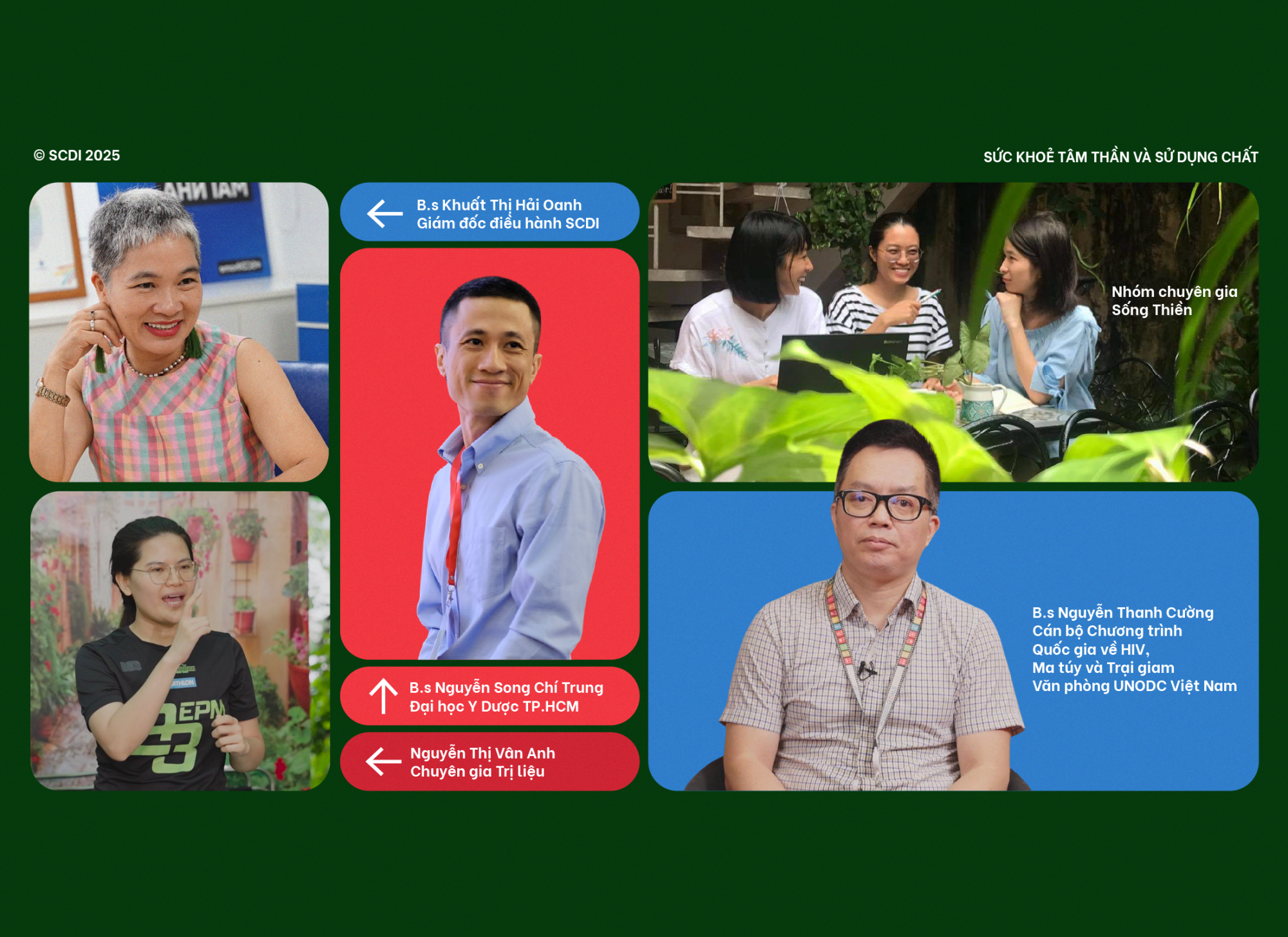
In early 2025, Hạnh was connected to The Gate - a community-based group working in collaboration with SCDI to implement harm reduction initiatives related to substance use and HIV prevention in Ho Chi Minh City. There, she began to engage in new activities: learning how to protect herself, participating in counseling sessions and art therapy, receiving support for her mental health treatment, and being connected with doctors who guided her in using appropriate medication. And it was there, for the first time in many years, that she experienced being listened to and cared for by people who were once complete strangers.
“Maybe it’s thanks to the medication, or maybe it’s because there are people willing to sit with me and listen to me, even the most personal stories. I feel comforted and relieved.”
Beyond group activities, SCDI staff at the Ho Chi Minh City office regularly visit her home to check in on the mother and her children, bringing gifts like meals and snacks. These seemingly small acts became the first threads stitching together connections that had long been broken. From there, change slowly began to seep into every corner of her life.

“Before, when I was tired or feeling stuck, I reacted very negatively, yelling and making a fuss. But now, if something doesn’t go my way, like my mother-in-law saying something unpleasant, I take my motorbike and ride around the city or take the kids out. Sometimes I crave a cup of bubble tea, I get one for the kids, and we drink together…,” she laughed.
"I've watched my children grow up day by day, and that's how I found the strength to live and to change. If our family remained like this, my children's friends would gossip about their parents' addictions, about their father constantly beating their mother... I don’t want my children to carry a distorted image of their parents in their hearts, or to grow distant from us. That would affect their future, their dreams.”
Beyond group activities, SCDI staff at the Ho Chi Minh City office regularly visit her home to check in on the mother and her children, bringing gifts like meals and snacks. These seemingly small acts became the first threads stitching together connections that had long been broken. From there, change slowly began to seep into every corner of her life.
“Before, when I was tired or feeling stuck, I reacted very negatively, yelling and making a fuss. But now, if something doesn’t go my way, like my mother-in-law saying something unpleasant, I take my motorbike and ride around the city or take the kids out. Sometimes I crave a cup of bubble tea, I get one for the kids, and we drink together…,” she laughed.
"I've watched my children grow up day by day, and that's how I found the strength to live and to change. If our family remained like this, my children's friends would gossip about their parents' addictions, about their father constantly beating their mother... I don’t want my children to carry a distorted image of their parents in their hearts, or to grow distant from us. That would affect their future, their dreams.”
I no longer need to turn to that "friend".
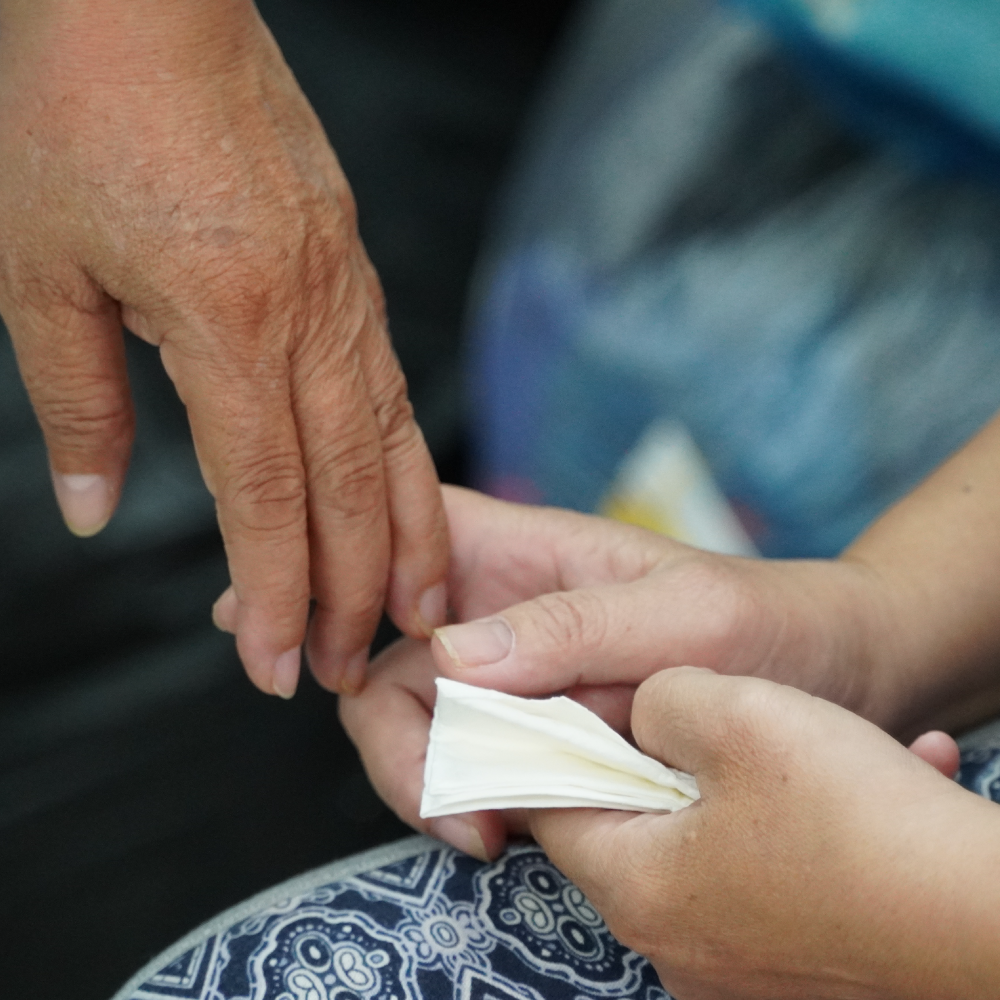
“Listening, sharing, and connecting have replaced temporary solutions to forget the pain. Change did not come from a miracle. It came from trust reflected in another’s eyes, from sincere encouragement, from a hand ready to reach out when things seemed to have hit rock bottom.”
Now, each day feels like a small yet precious gift for her. In the morning, she wakes up early to get her children ready for school and go to take her methadone. In the evening, the four of them gather around the low plastic table, which serves as both a dining table and a study table, filled with laughter.
At this point, Hạnh speaks about the past with a lighthearted tone and radiant eyes. No more resentment, no more regret, only the serenity of someone who has weathered the storm and learned to stand strong. Even in the most difficult and darkest times, this resilient woman still nurtures hope for change.
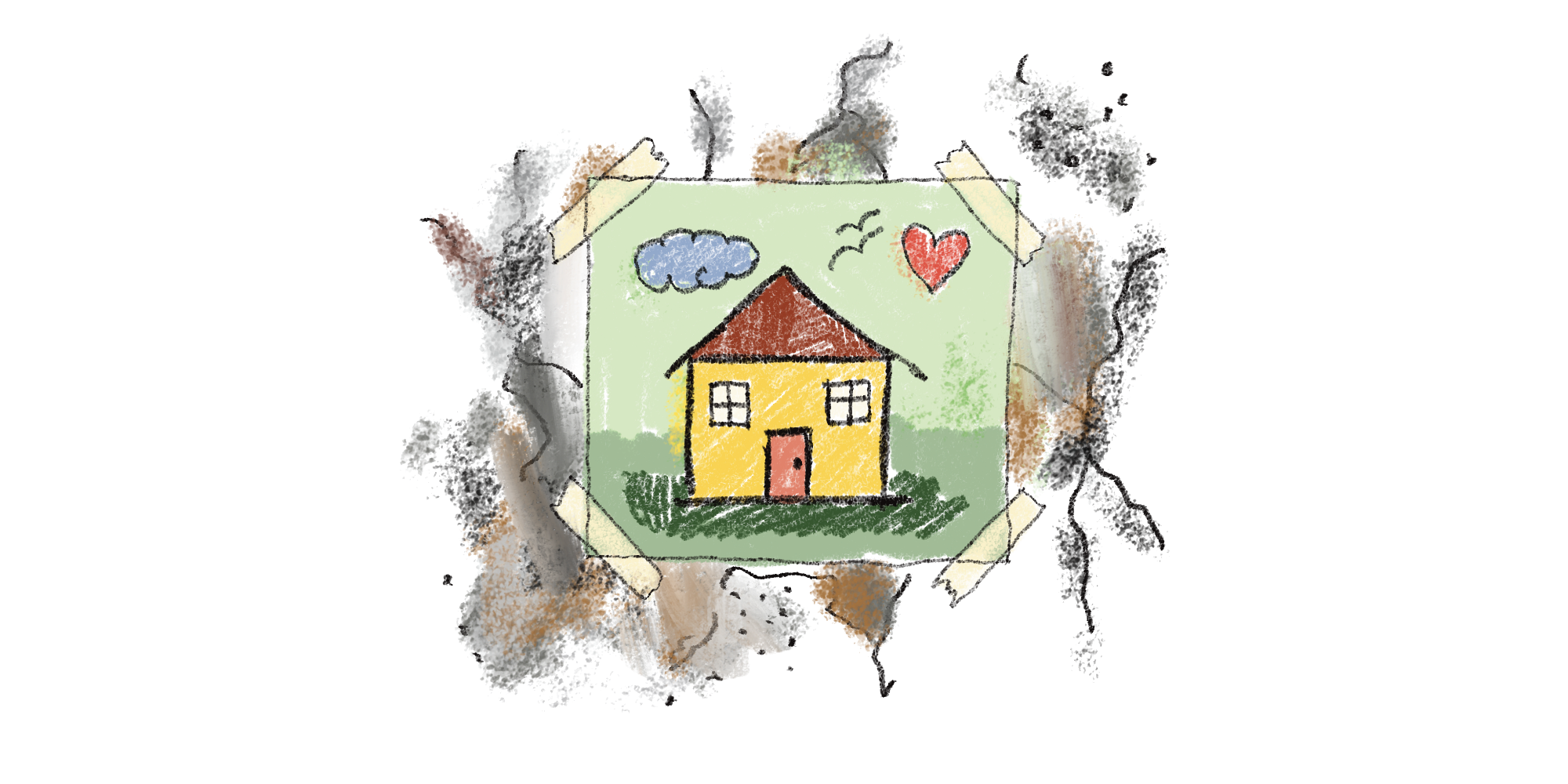
“I’m proud that I quit using substances and didn’t give up, so I can take care of my children and protect them. It’s just a small sense of pride. But it helps me believe that I can do it.”
“I don’t know if things will be better when my husband comes back. But I will try to work and provide my children with a cozy home.” A place that truly feels like home: filled with laughter, peace, and connection, things that once seemed simple but have become the roots of all the best things in life.
When we look more deeply into the stories behind people who use substances, where psychological, social, and environmental factors intertwine, substance use is not simply a matter of recklessness or a lack of willpower. It is often the consequence of being bound by trauma, deadlock, loss, and prolonged isolation; it is a way for people to seek an escape when all other doors seem closed.
Recovery does not come from judgment or pressure, but from empathy, listening, and appropriate medical and social support. When motivated and given an environment to unleash their inner strength, each person can step out of the darkness, reconnect with themselves and others, and sow the seeds for true change.
At this point, Hạnh speaks about the past with a lighthearted tone and radiant eyes. No more resentment, no more regret, only the serenity of someone who has weathered the storm and learned to stand strong. Even in the most difficult and darkest times, this resilient woman still nurtures hope for change.
“I’m proud that I quit using substances and didn’t give up, so I can take care of my children and protect them. It’s just a small sense of pride. But it helps me believe that I can do it.”
“I don’t know if things will be better when my husband comes back. But I will try to work and provide my children with a cozy home.” A place that truly feels like home: filled with laughter, peace, and connection, things that once seemed simple but have become the roots of all the best things in life.
When we look more deeply into the stories behind people who use substances, where psychological, social, and environmental factors intertwine, substance use is not simply a matter of recklessness or a lack of willpower. It is often the consequence of being bound by trauma, deadlock, loss, and prolonged isolation; it is a way for people to seek an escape when all other doors seem closed.
Recovery does not come from judgment or pressure, but from empathy, listening, and appropriate medical and social support. When motivated and given an environment to unleash their inner strength, each person can step out of the darkness, reconnect with themselves and others, and sow the seeds for true change.
Content: Anh Cao
Editing: Hùng Nguyễn
Design and Illustration: Lê Quỳnh Trang
Copyright © 2025, Center for Supporting Community Development Initiatives (SCDI)