

At SCDI, we believe that the strength and resilience of our organization lie in the quiet individuals working behind the scenes. They are the ones who stay close to the community day after day, who devote their time to stories few have the patience to hear, and who persistently stand beside those whose lives may seem devoid of hope.
SCDI is proud to walk alongside dedicated, passionate individuals with empathy and open hearts. Each member of SCDI has their own journey and their own reasons for being here, yet they meet at a common point: a shared commitment and a shared joy in witnessing change in the lives of individuals, families, and entire communities.
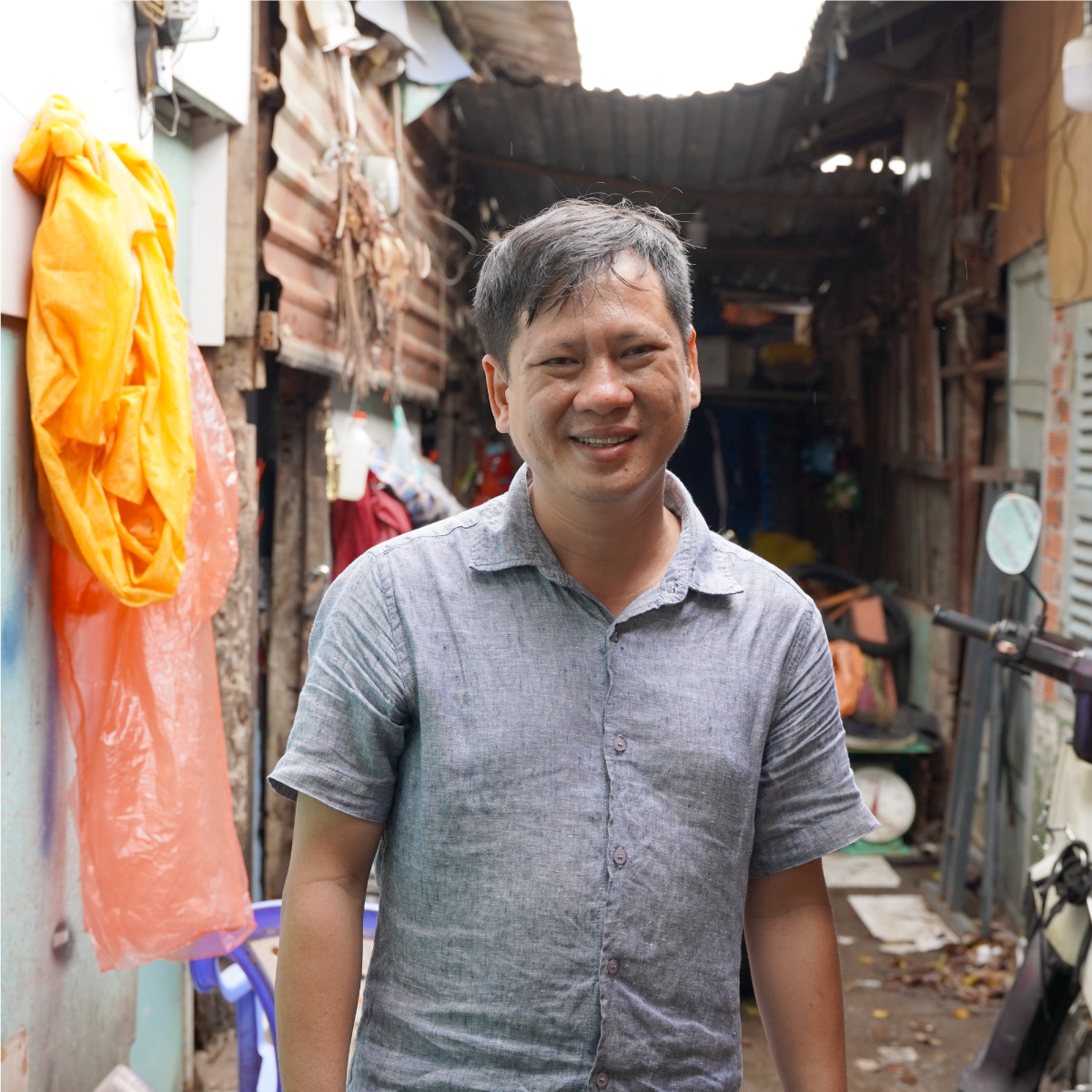
The story of Nguyễn Hồng Phúc is one such beautiful example. Like the good fortune and blessings embodied in his name, "Hồng Phúc," he brings warmth and love to those in need, offering motivation and faith to those who are walking this journey alongside him.
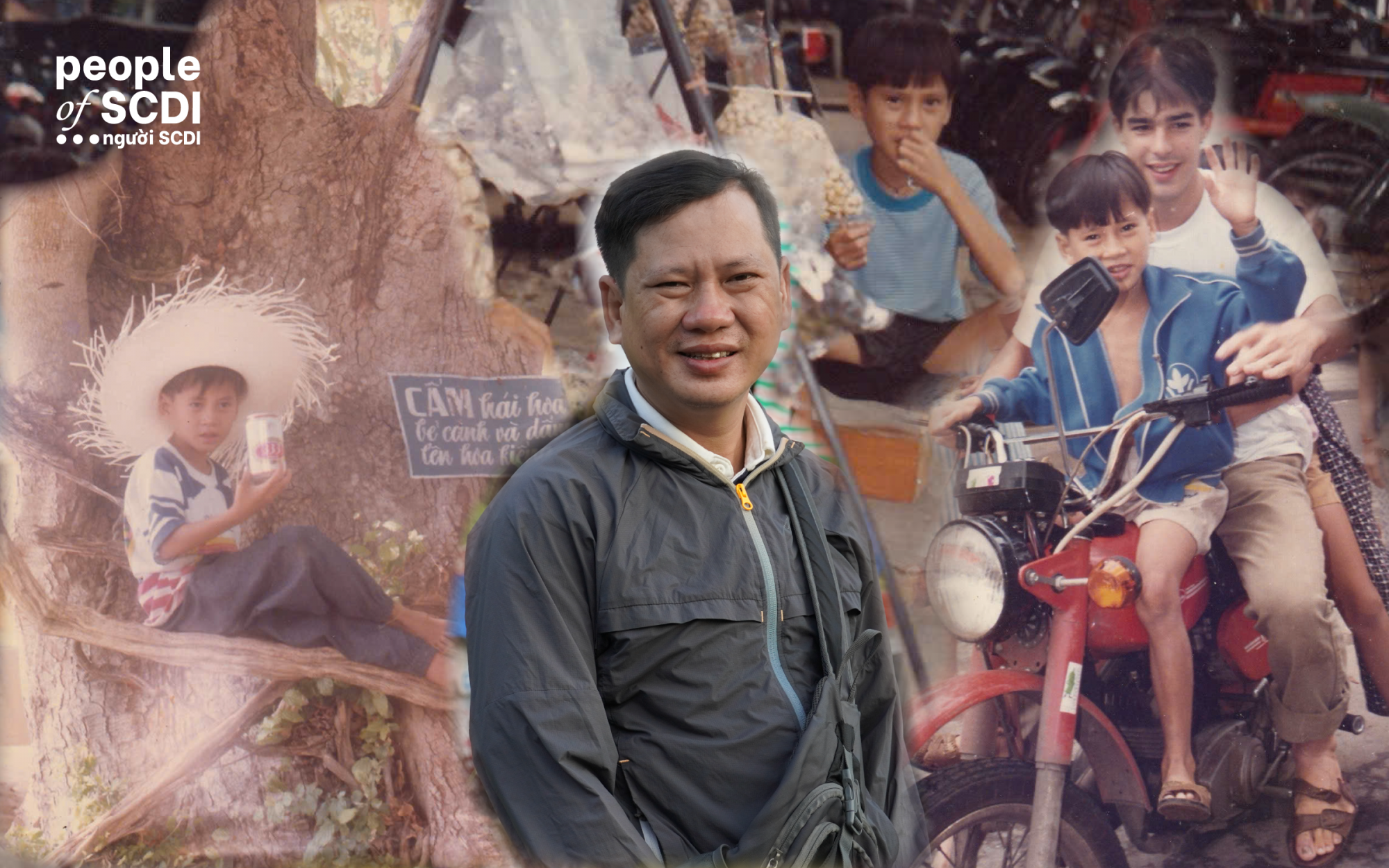
What creates such a deep bond? Why is a project officer called “Papa” or called “Phúc ơi” so affectionately?


Phúc is a project officer at SCDI in Ho Chi Minh City, directly implementing intervention activities to support vulnerable children, youth, and communities. But beyond being a member of SCDI, he also takes on many other roles: the one who distributes meals, the one who handles birth certificates, the one who stands as a guarantor, the godfather to children, and more.
He carries his own story too, from a child growing up on the streets to someone who has dedicated most of his life to helping people living on the margins of society.
Children on the streets
Phúc’s mother had been married many times. He was the youngest of more than ten siblings and was abandoned by his biological father even before he was born. While pregnant, his mother and one of his older sisters moved to a new economic zone in Thu Dau Mot (now in Binh Phuoc). But life there was too harsh, and after wandering for a while, they eventually returned to Saigon. With no home, no identification papers, and no money, his mother put up a small shack by Bach Dang Wharf for them to stay.

By the age of three, Phúc had already begun working on the streets, becoming the “breadwinner” of the family. He often sat near drinking stalls and collected the beer cans people tossed away. “One can could be sold for 120 dong back then. A case had 24 cans, and in one night, I could collect 200–300 cans to sell. I brought the money earned home and gave it to my mother. As I grew a little older, I took on more jobs, like selling newspapers, lottery tickets, and shining shoes.”
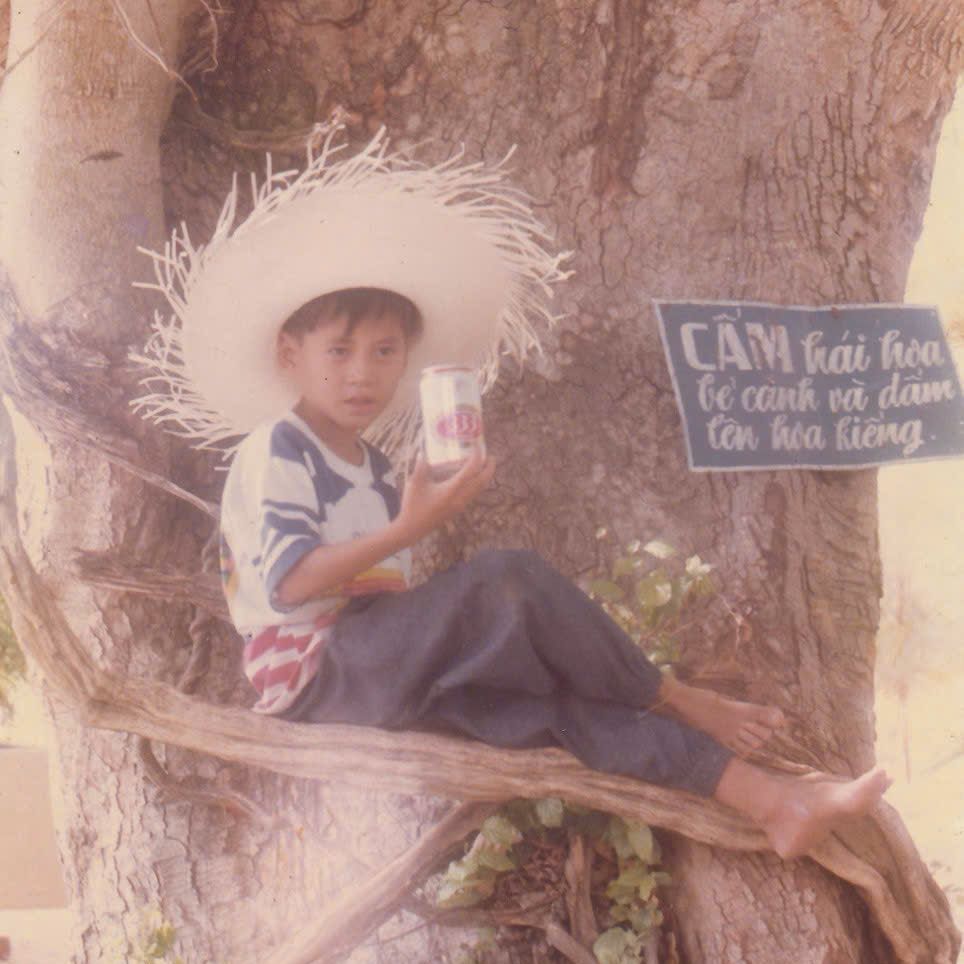
His early struggle for survival demanded essential instincts, including being wary of everyone, because anyone could harm or exploit him. “We were all street kids, but the older ones would bully and extort money from the younger ones. On days when I had no money, I didn't dare go home because my mother and sister would beat me. At that time, I didn't trust anyone, not even my family. I thought that only with money could I survive; otherwise, even if I was gone for 4-5 days, no one would look for me.”
“On days when I had no rice, I would scrape the coconut meat from coconuts people had finished drinking and thrown away to ease my hunger. Or I would go to Pho restaurants or drinking places and ask for leftovers to get through the day.”

"I weave young tamarind branches together to make a bird's nest,
then collect cardboard boxes to spread out as a bed.''
However, the pitfalls facing street children are not just hardship and deprivation.
“Living on the streets, you have to live in groups to survive; otherwise, you simply can’t. Whatever the others do, you end up doing too: smoking, drugs, gambling, everything. In a group, if one person does it, the rest follow. You don't understand, and you are not afraid. And when you are starved for affection, that rush you feel when you join in, it just pulls you in, little by little.”
Although life on the streets had hardened Phúc, deep down, he still longed to be loved. “Wandering all day like that, there were times when I was angry, and deeply sad. Watching other kids with their parents, seeing them carry schoolbags, being cared for and pampered, I felt pity for myself. I had a mother, but she didn’t care. And my father, I didn’t even know where he was or what he looked like. What hurt even more was wondering why someone as little as me had to earn money to support the adults…”
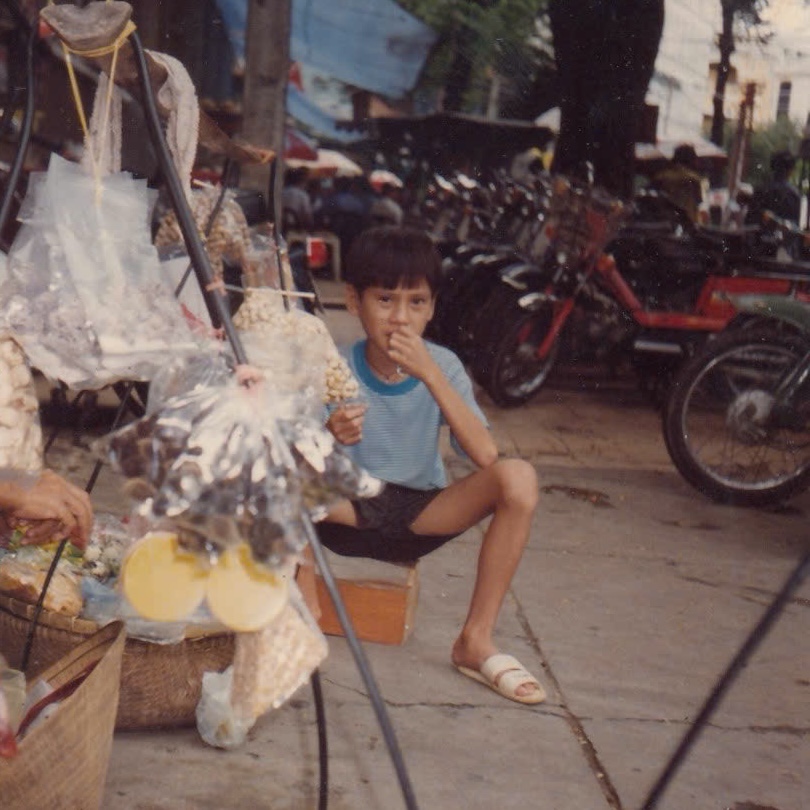
A life transformed
“We called the teachers in that class ‘street teachers.’ At first, I was very suspicious, thinking, ‘Are they journalists or police officers coming to arrest me?’ So, I didn’t agree to study with them. Another guy and I conspired to steal the teacher’s bicycle and sell it. But after the teacher found out, while others would have beaten or scolded us, he still talked to me if nothing had happened, asked where I sold it, and said that he would go there and get it back.”

He attended a charity class for primary school. He went to school in the mornings and worked on the streets in the afternoons to make a living, gradually completing middle school and then high school. After graduating from high school, he continued his studies in electrical engineering with the simple thought of finding a decent job to support himself. But something else still urged him on: "In the mornings, I work, and in the evenings, I participate in projects that need volunteers to support street children."
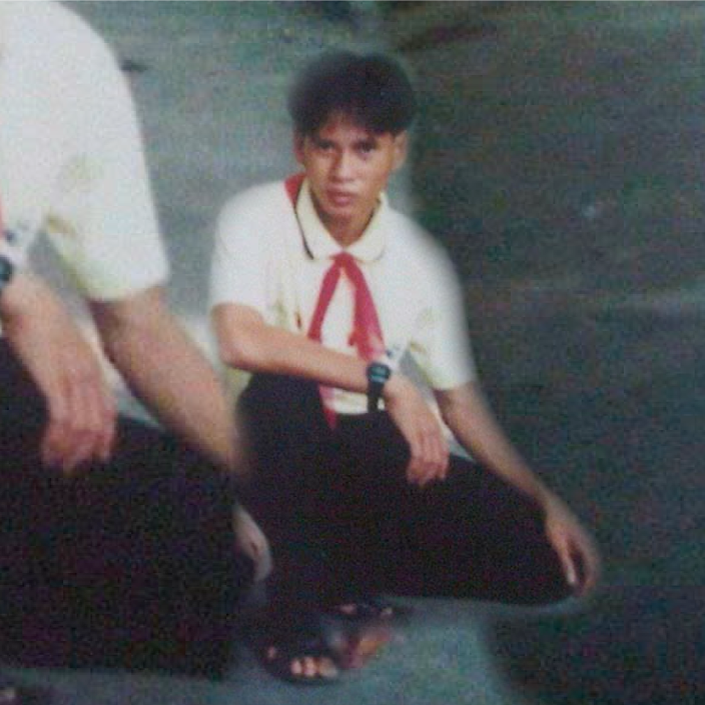
Thus, Phuc continued his studies, majoring in Social Work. While studying, he continued working and supporting street children. Two years after completing his program, he joined SCDI — continuing his journey of applying his acquired knowledge, accumulated experience, and personal qualities to support the community.
“When I was struggling, others helped me. Now that I’m stronger and more stable, I think about the people coming after me who also need that support. It’s not just about daily food; what truly matters is giving them the knowledge and skills to stand on their own, even when there is no one around to support them.”
“Although everyone has their own circumstances and story, I can relate because I’ve been through the same thing, I’ve been alone, stuck in a dead end, and surrounded by pitfalls. When you’re on your own, it’s easy to ignore the consequences and act recklessly without thinking about the future.”
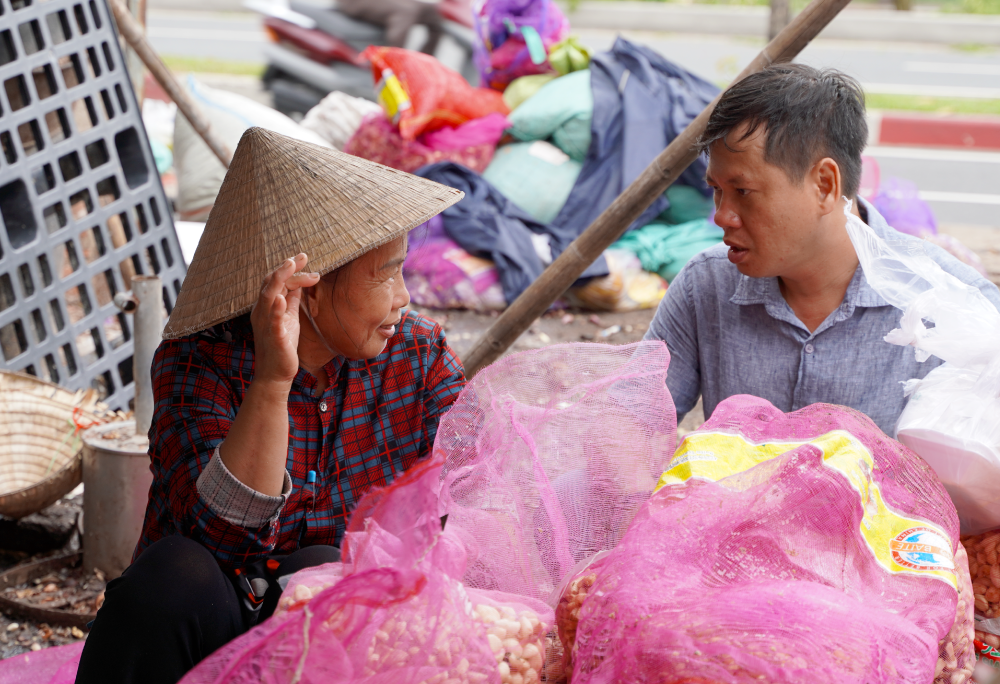
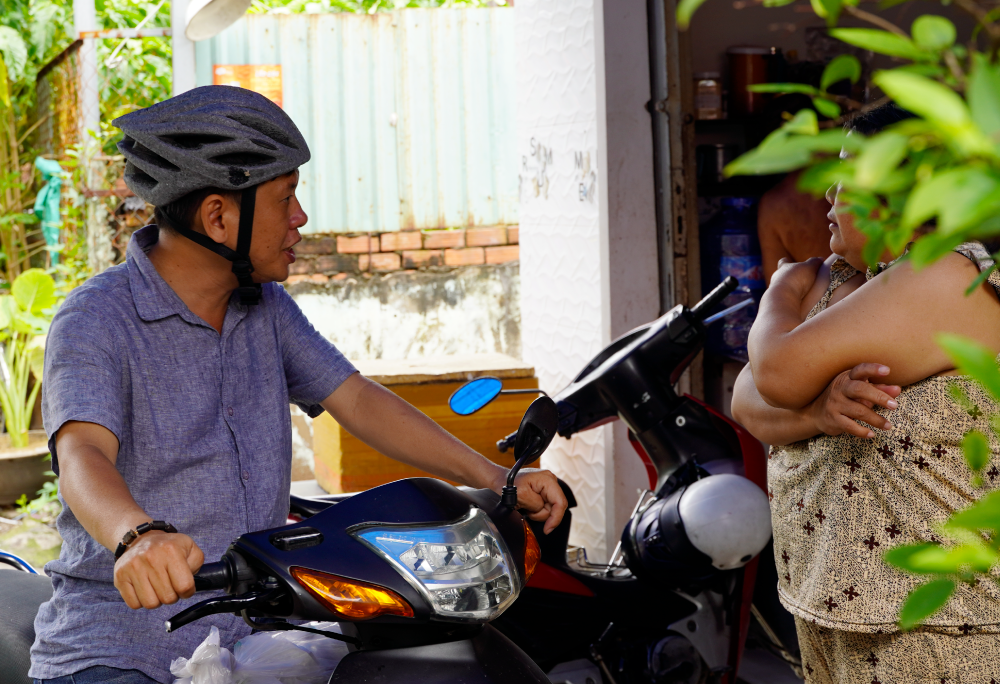
Phúc spoke about children who have no parents by their side, living only with their frail grandparents. For these families, the priority is simply earning enough to eat each day, not sending the children to school. Perhaps the children may want a better life, but no doors are open for them: no identification papers, no one to guide them, no money for rent or water. They are born and raised in an environment lacking even the most basic necessities.
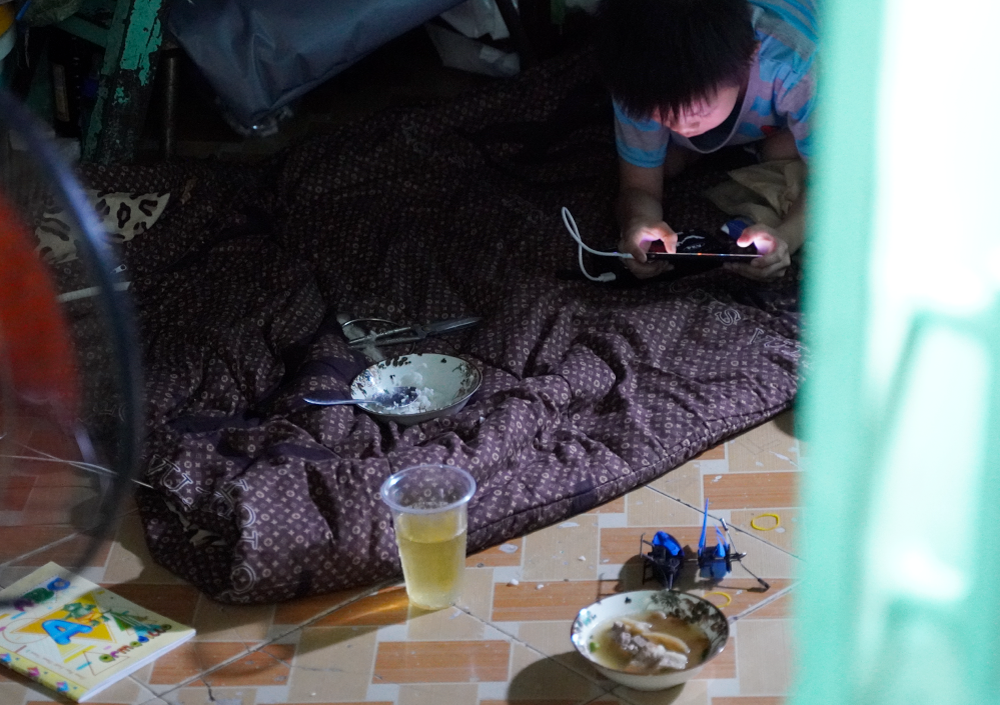
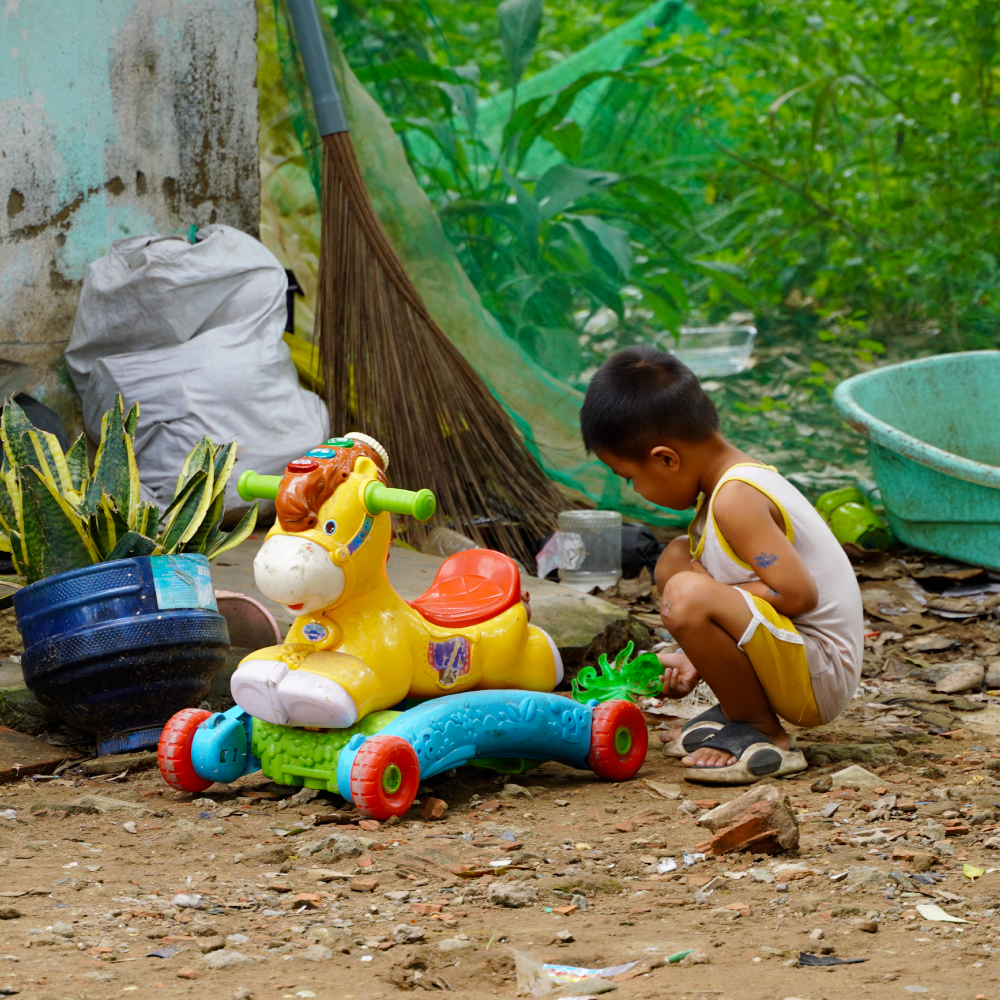
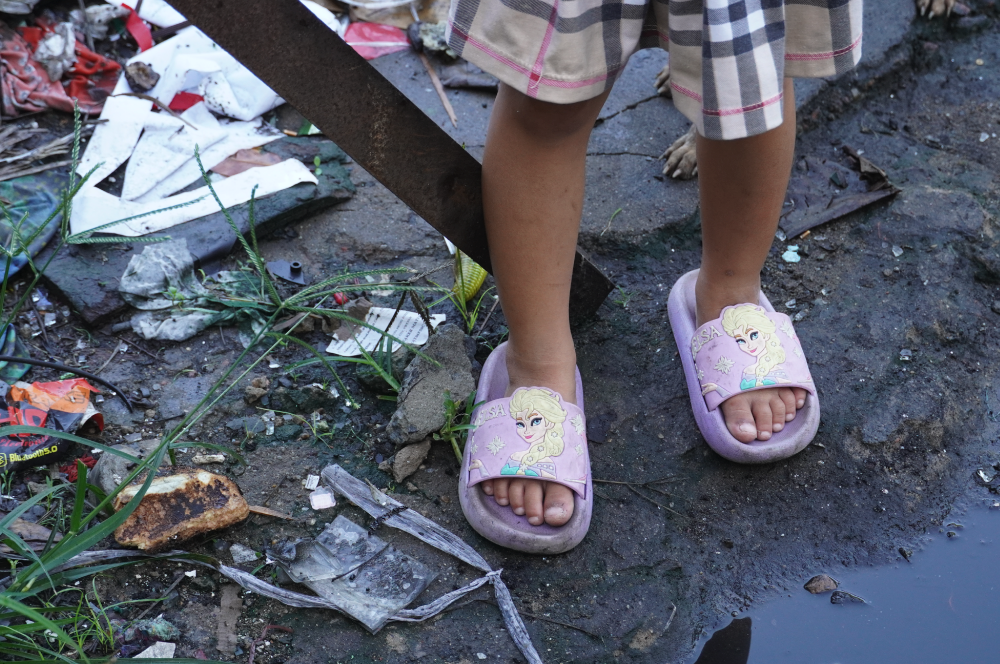
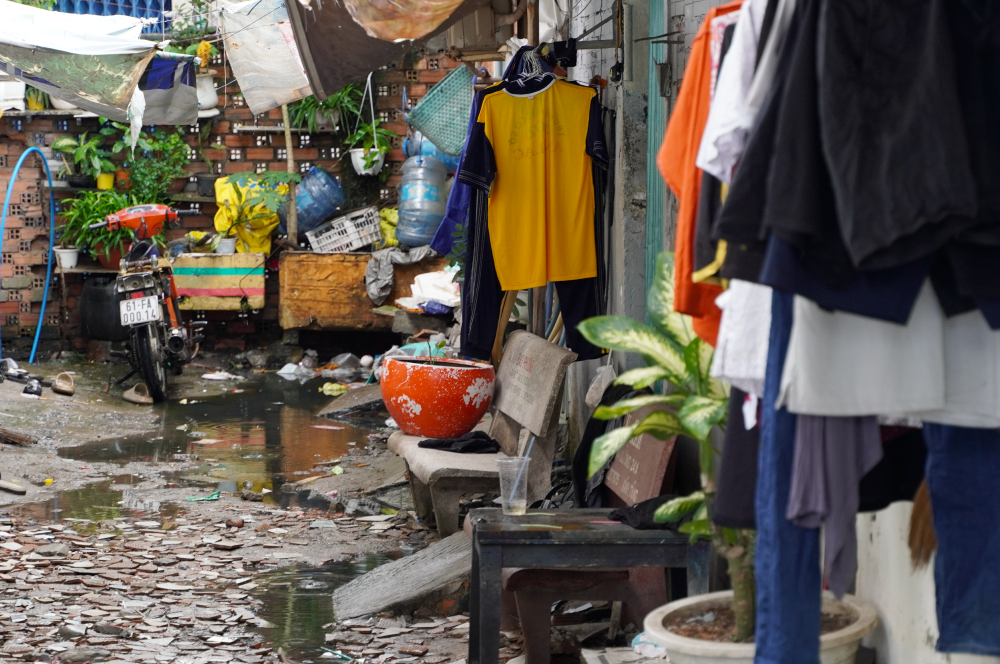
Access to HIV prevention and harm reduction services for substance use remains limited, as young people hide their situations, stay defensive, and mistrustful. “That is the hardest part when trying to support them. But just like my teacher in the past, if someone comes to us with honesty, patience, and a willingness to listen, our loneliness and hardship slowly begin to ease.”
Perseverance, little by little, day by day
 Phúc smiled, “There are many failures, even more than successes.” Then he told the story of a client who came from the countryside to the city to find work, was lured into sex work, and forced to use drugs. After reaching them, he and the SCDI team began to support them, from harm reduction information to counseling and job referrals. Little by little, they quit drugs, built a family, and had a stable life.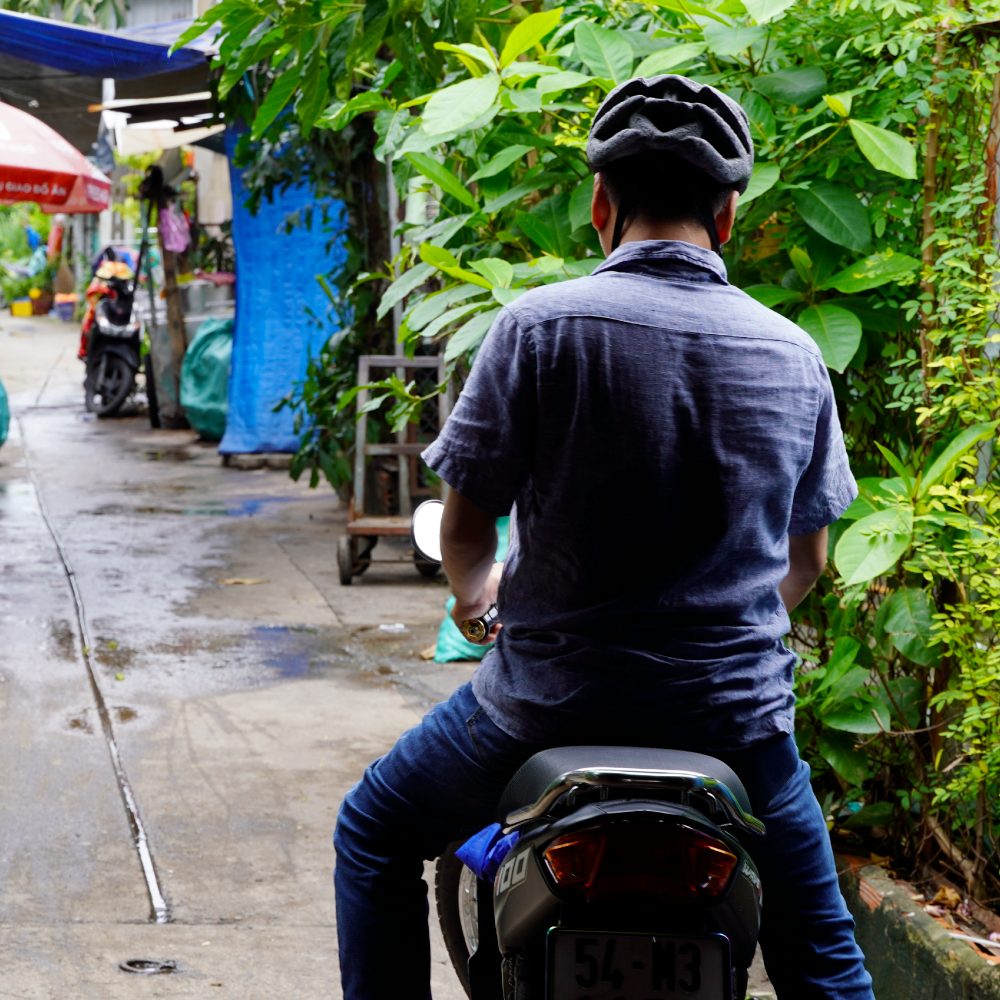
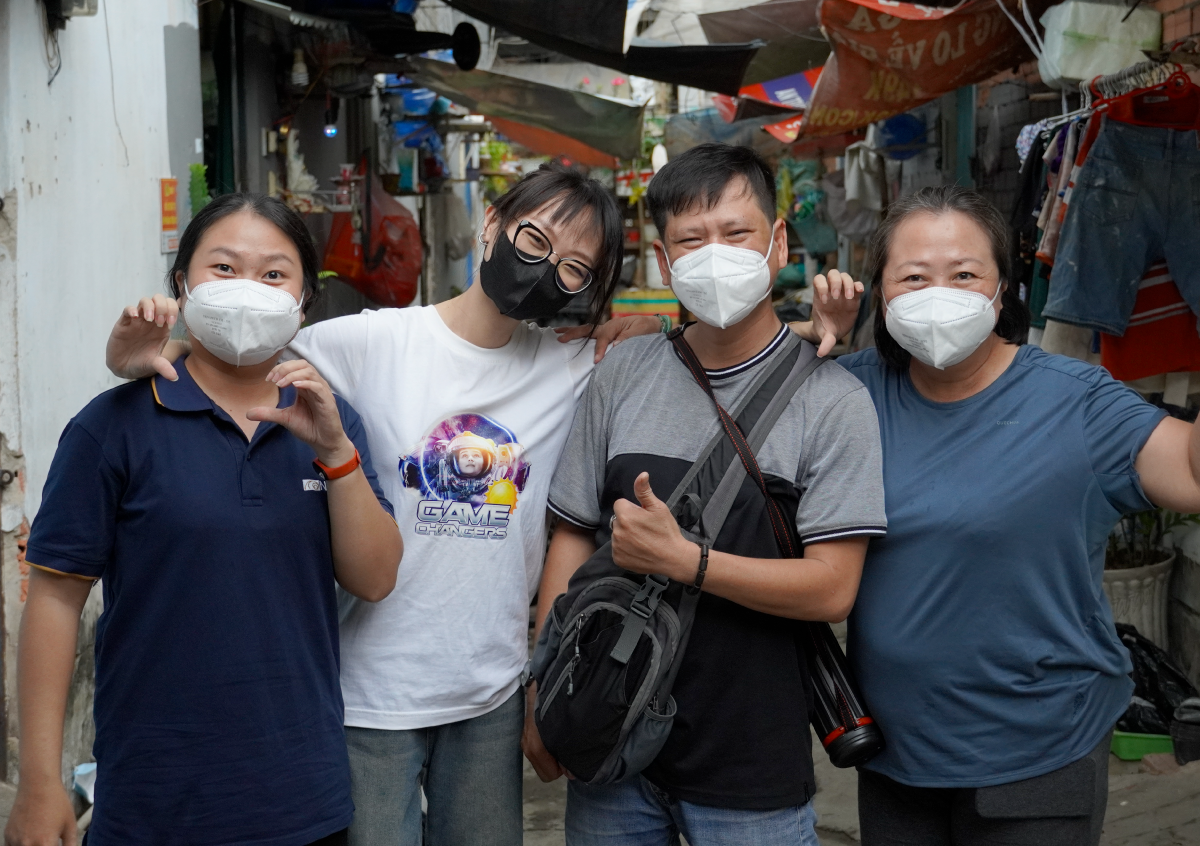
The amazing thing is that some people, whom he once thought "they probably won't change," unexpectedly rose up strongly. For Phúc, the core element for a person's change always comes from within themselves. Support from projects or social workers can only open doors, provide knowledge and skills, and build a bridge for them. Once the clients become more stable, many come back again as collaborators or connectors to support others.
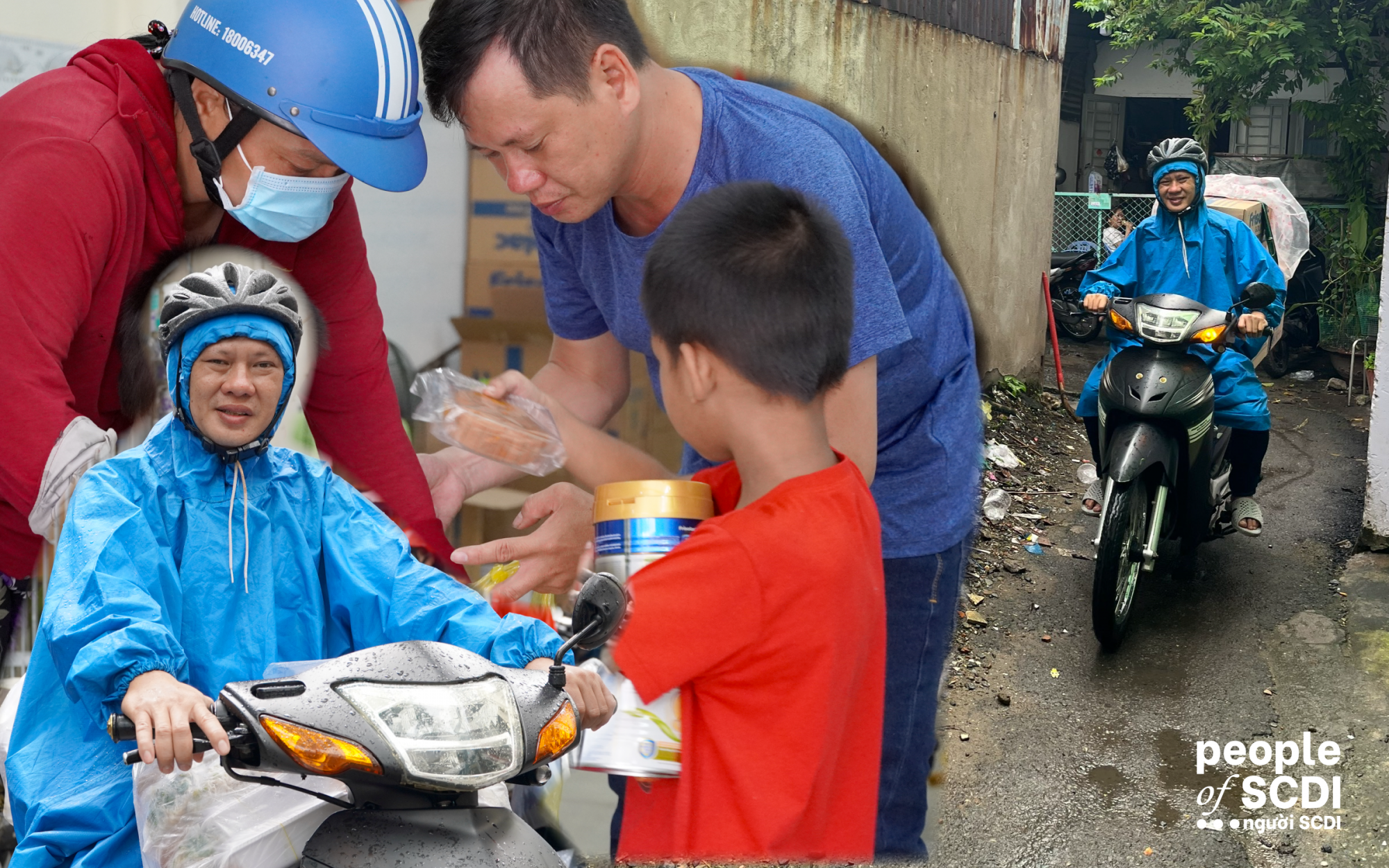
We are grateful to walk alongside warm-hearted and dedicated individuals who quietly sow the seeds of change, who build connections from one person to another, so that kindness and hope can ripple outward to individuals, families, and the entire community around them.
Content: Anh Cao
Editing: Hùng Nguyễn
Design and Illustration: Lê Quỳnh Trang
Copyright © 2025, Center for Supporting Community Development Initiatives (SCDI)