


.jpg)
On March 10 and 11, SCDI participated in the Scientific Days of the ANRS MIE Vietnam Partner Site, organized at Hanoi Medical University. The event brought together scientists, health experts, and representatives from national and international research organizations to share new research findings and strengthen collaboration in addressing global health challenges.
The conference also provided an opportunity for participants to exchange updates on epidemiological trends, discuss disease surveillance strategies, and present clinical research as well as evidence-based intervention models. As emerging infectious diseases continue to pose increasingly complex challenges, strengthening research collaboration and scientific data sharing remains an important factor in improving preparedness and response capacity.
On the first day of the event, SCDI joined discussions on research directions and partnerships in the field of infectious diseases. SCDI also presented the DENGAGE project currently being implemented in Dak Lak province during the session on “Dengue fever diagnostics, surveillance and community-based evidence”
.jpg)
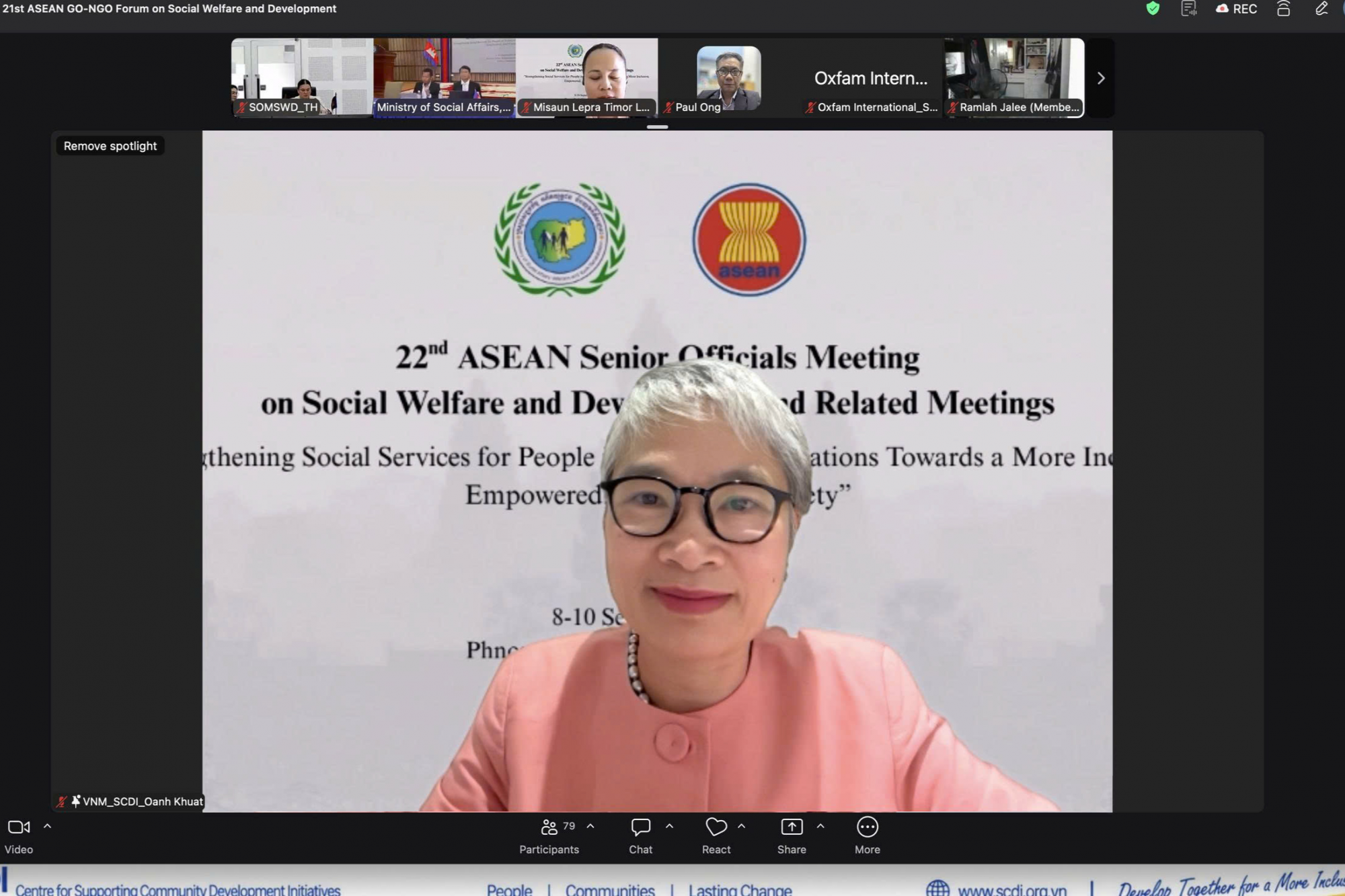
Photo: Dr. Khuat Thi Hai Oanh, Executive Director of SCDI, participated in the discussion session on research directions for emerging infectious diseases and on strengthening international collaboration in the health sector.
.jpg)
Photo: Tran Viet Hoc, DENGAGE Project Coordinator, presented findings of “Seroprevalence, knowledge, attitudes, and practices on dengue fever in Dak Lak” conducted under the project.
The DENGAGE project focuses on a serological survey combined with an assessment of community knowledge, attitudes, and practices related to dengue prevention. The study is being conducted in 10 communes and includes focus group discussions and in-depth interviews with health workers and local leaders, helping provide a more comprehensive understanding of the biological and social factors influencing dengue transmission.
The data collected through the project will contribute evidence for dengue prevention strategies that are better adapted to local contexts. At the same time, the initiative aims to strengthen the role of communities and primary healthcare systems in early detection and disease control.

.jpg)

.jpg)


