

.jpg)
SCDI presents to readers the outstanding news of May 2026.
SCDI participates in the Country Dialogue on the development of The Global Fund Tuberculosis funding request for the period 2027-2029
On May 5 in Hanoi, SCDI participated in the Country Dialogue Workshop on the development of The Global Fund Tuberculosis funding request for the period 2027-2029, organized by the National Lung Hospital and the Vietnam Country Coordinating Mechanism for The Global Fund (VCCM).
The workshop brought together representatives from national and international agencies, organizations, and communities affected by tuberculosis or involved in supporting people affected by tuberculosis. Participants reviewed current challenges in tuberculosis prevention and care in Vietnam and discussed priority directions for the next phase.
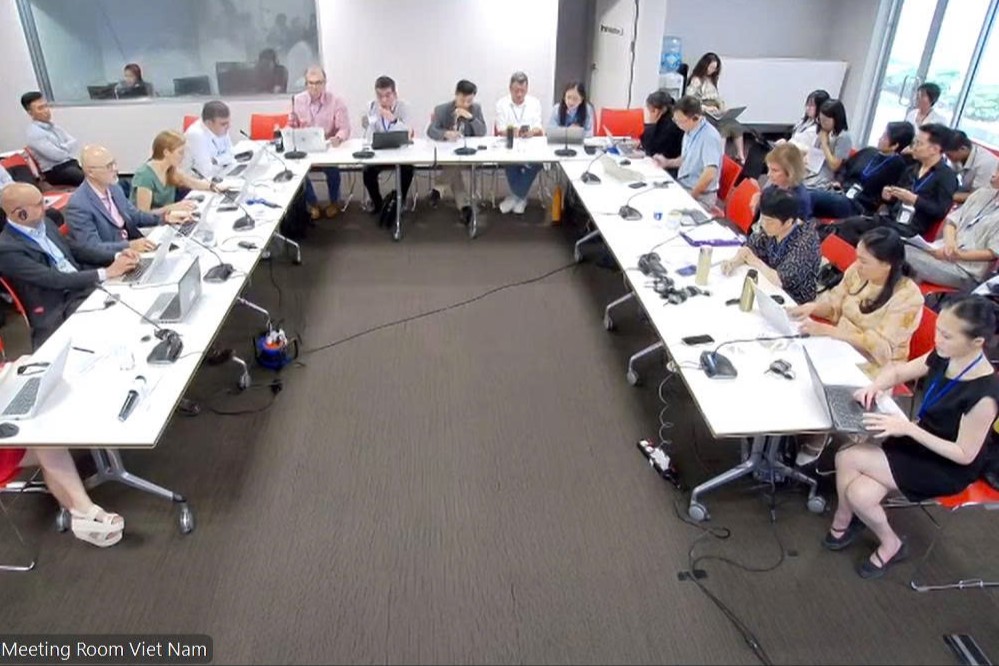
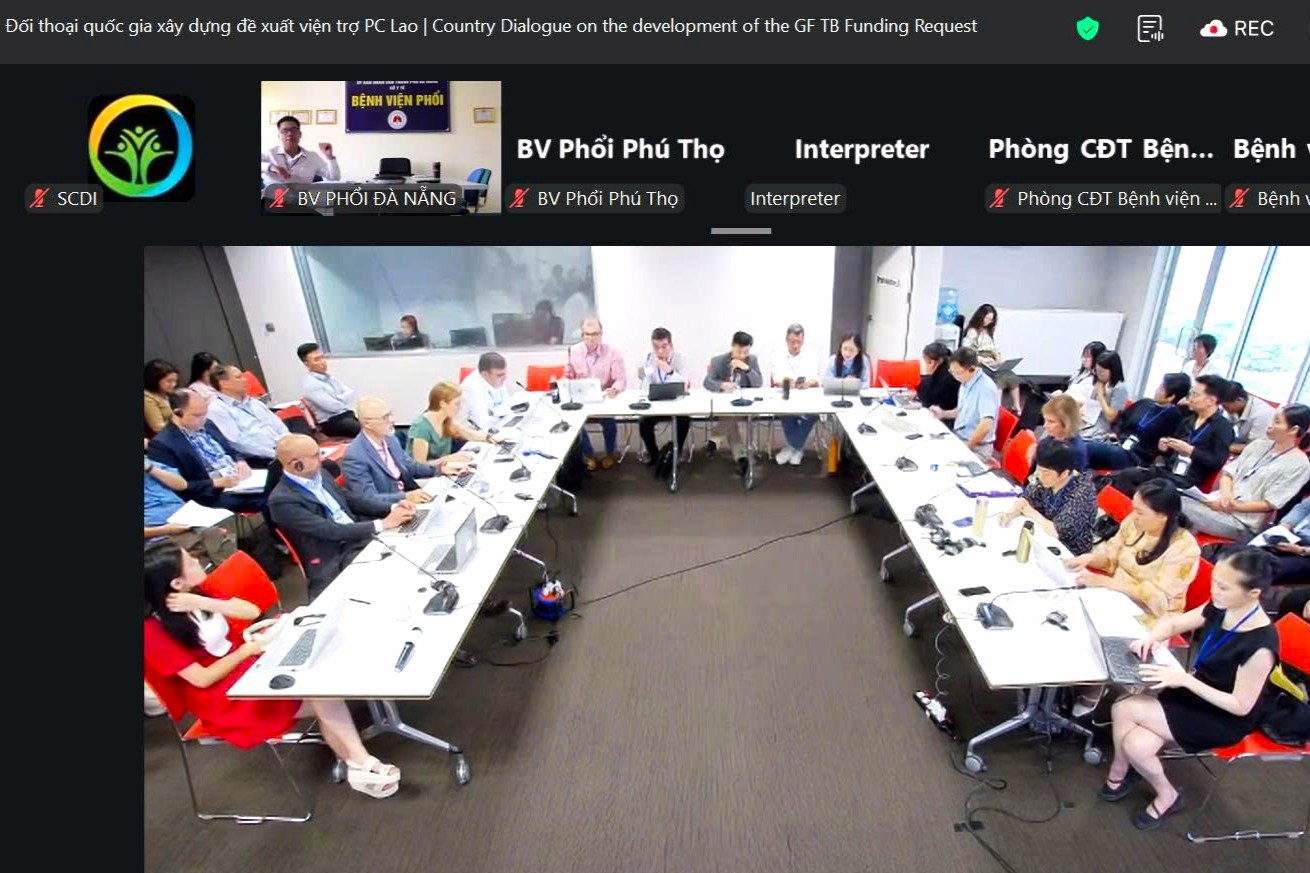
Photo: Representatives from national and international agencies, organizations, and communities affected by TB or involved in supporting people affected by TB
Key issues included strengthening early case detection, expanding community-based services, promoting TB/HIV integration, reducing stigma in healthcare settings, and ensuring the sustainability of health programs as international funding gradually decreases.
At the workshop, SCDI shared practical experiences from supporting vulnerable communities to access health services, particularly those facing barriers related to financial hardship, health insurance, and treatment adherence. These contributions will help inform the Global Fund proposal and support continued efforts toward sustainable, community-based health responses.
Sustaining group sessions for children in the Breaking the Cycle program in Ho Chi Minh City
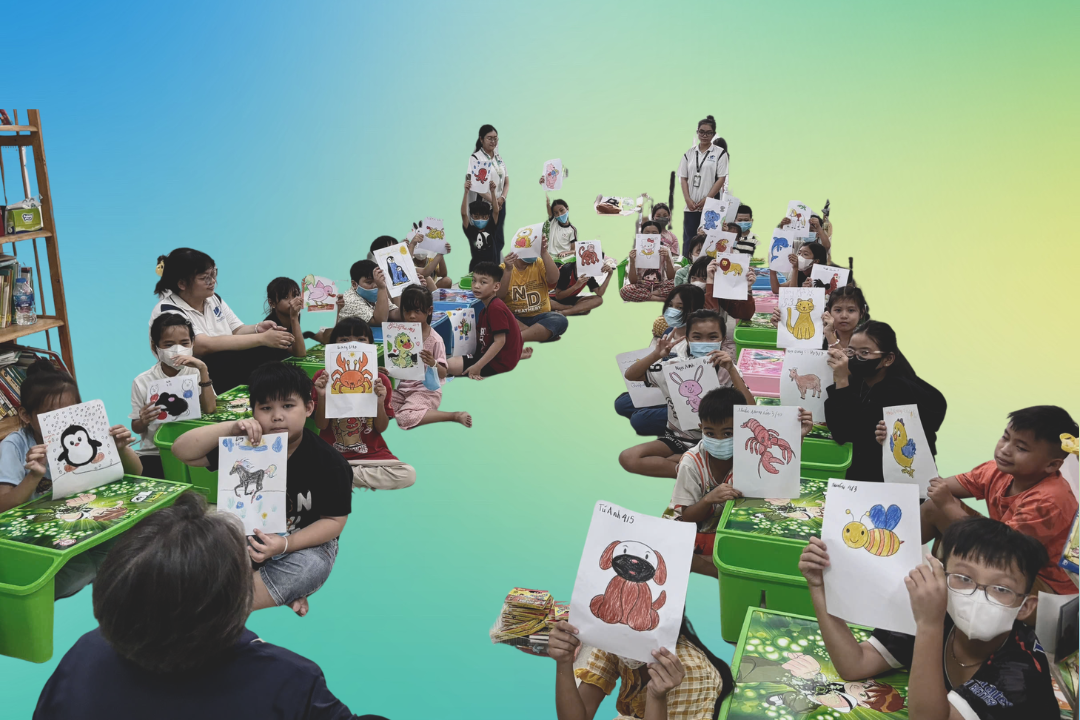
Throughout May, children in SCDI’s Breaking the Cycle program in Ho Chi Minh City continued to participate in various activities designed to build their confidence and emotional well-being, as well as creating space for them to explore future directions.
The sessions included career exploration activities, during which children learned about different professional groups and reflected on possible pathways for their future. They also took part in an activity using colors to identify emotions, helping them better understand how negative thoughts can affect behavior and how to develop more positive ways of thinking.
.jpg)
Photo: An activity to help the children them better understand the impact of negative thoughts and how to develop more positive ways of thinking.
These activities provided children with practical tools to support both their learning journey and emotional balance in daily life. They also created a supportive space where children could share, reflect, and connect with peers and volunteers.
Expanding the Breaking the Cycle model to Gia Lai
From May 11 to 14, in collaboration with the Central Highlands Community Support Social Enterprise and Harmonrise Social Enterprise, SCDI organized a series of activities to introduce the project “Breaking the Cycle Towards Sustainable Development in Gia Lai province.”
With support from Agence Française de Développement (AFD), the Breaking the Cycle model will be expanded to Ia Tul and Phu Tuc communes in Gia Lai during the 2026-2029 period. The project aims to increase access to education, vocational training, and decent employment opportunities for adolescents and young people in the project sites.
During the field trip, the project team worked with local authorities, the Gia Lai Department of Health, the Department of Education and Training, and relevant agencies. SCDI and partners also conducted visits to health stations, schools, and local households.
.jpg)
Photo: The project team during a meeting with Gia Lai Department of Education and Training
These meetings and field visits helped the project team better understand local needs, challenges, and priorities, laying an important foundation for developing activities responsive to the local context and community expectations.
Expanding access to HIV prevention services in Nghe An
On May 13, the community-based HIV epidemiological assessment and intervention activity using the CHEER model (Community-based HIV Epidemiological Assessment and Intervention Model) was started in Quy Chau commune (Nghe An province) within the framework of the Global Fund project to fight HIV/AIDS.
To prepare for this round, the SCDI team worked closely with outreach workers and local healthcare staff to ensure the site, equipment, and necessary procedures were in place, enabling the activity to be implemented smoothly and in line with the local context.
Despite challenging weather and geographical conditions, outreach workers, healthcare staff, and project officers continued to coordinate closely to support clients and maintain service delivery in the area.
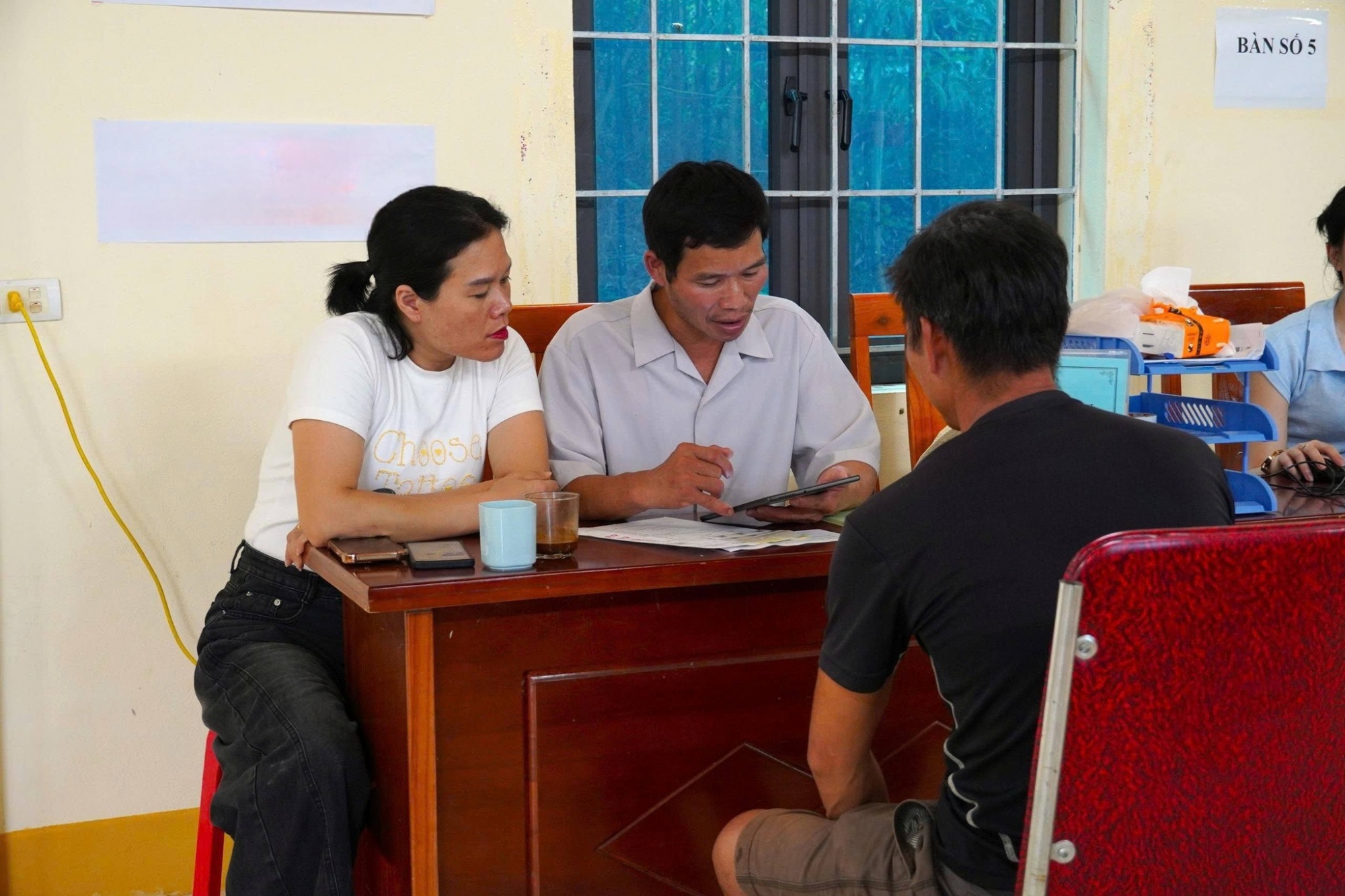
Photo: Outreach worker conducting an interview with a participant to better understand his needs.
The activity is expected to take place over one month in Quy Chau commune. It aims to collect updated information on the local HIV epidemiological situation while connecting more clients with appropriate health services, contributing to ongoing HIV prevention and care efforts in the locality.
Strengthening community-based mental health support
In May, SCDI continued preparing for the implementation of community-based mental health interventions under the DREAMH - Developing a Reinforced Access to Mental Health Care for Key Populations project, which supports people living with and affected by HIV.
SCDI team introduced the project to 24 community groups and social enterprises, creating opportunities to discuss their current technical capacity, identify support needs, and explore how they could participate in upcoming project activities. Following these exchanges, 22 groups and social enterprises completed and submitted proposals to join the project.
SCDI also organized three technical orientation and exchange sessions for local staff, community groups, social enterprises, and representatives from Intellect, the project’s partner for online mental health support.
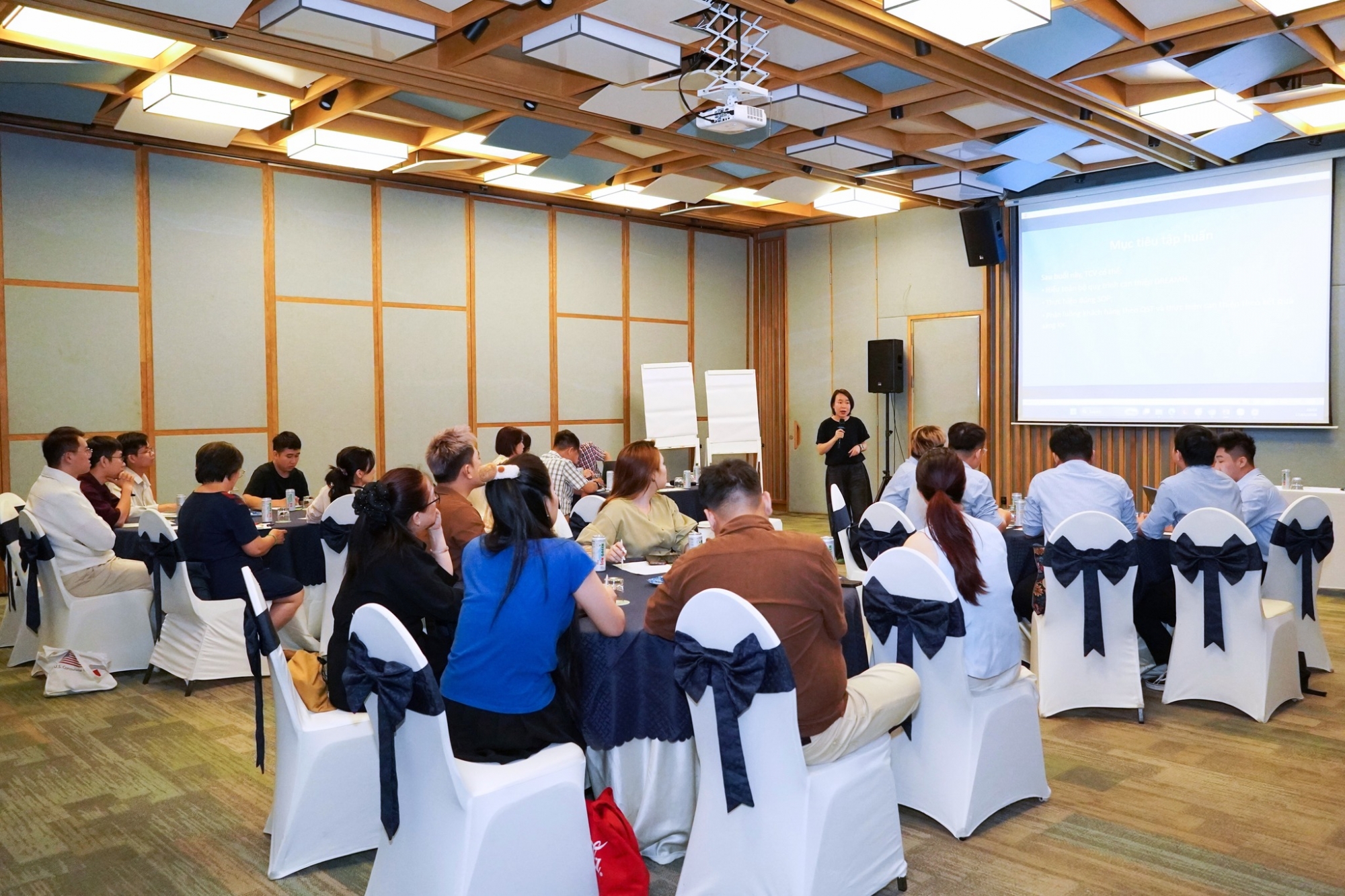
Photo: Training on the project's standard operating procedure for CBOs and social enterprises in Ho Chi Minh City
The sessions covered key intervention components, including mental health screening using the Quick Screening Tool, counseling, referral, follow-up support, group communication, group sessions, healing activities, and online interventions. Participants also reviewed important procedures related to data protection, finance, reporting, and coordination, helping build a shared foundation for project implementation in the coming period.
DRIVE-TB 2.0 expands community-based tuberculosis interventions in Nghe An
Building on the experience of DRIVE-TB in Hai Phong, starting from May 2026, SCDI expanded the study’s 2.0 phase to Nghe An province, with community-based tuberculosis screening tailored to more diverse population groups.
In this phase, the project aims to screen 1,000 people across three sites: Que Phong commune, Quy Chau commune, and Truong Vinh ward. Through these activities, the project will assess the feasibility and effectiveness of an enhanced sputum collection method to support tuberculosis detection in the community. It will also generate practical data to inform future tuberculosis interventions suited to the local context.
Screening activities began on May 20 in Que Phong commune with the participation of members of the Sao Va community group. As of May 26, 223 clients had participated in tuberculosis screening using GeneXpert testing.
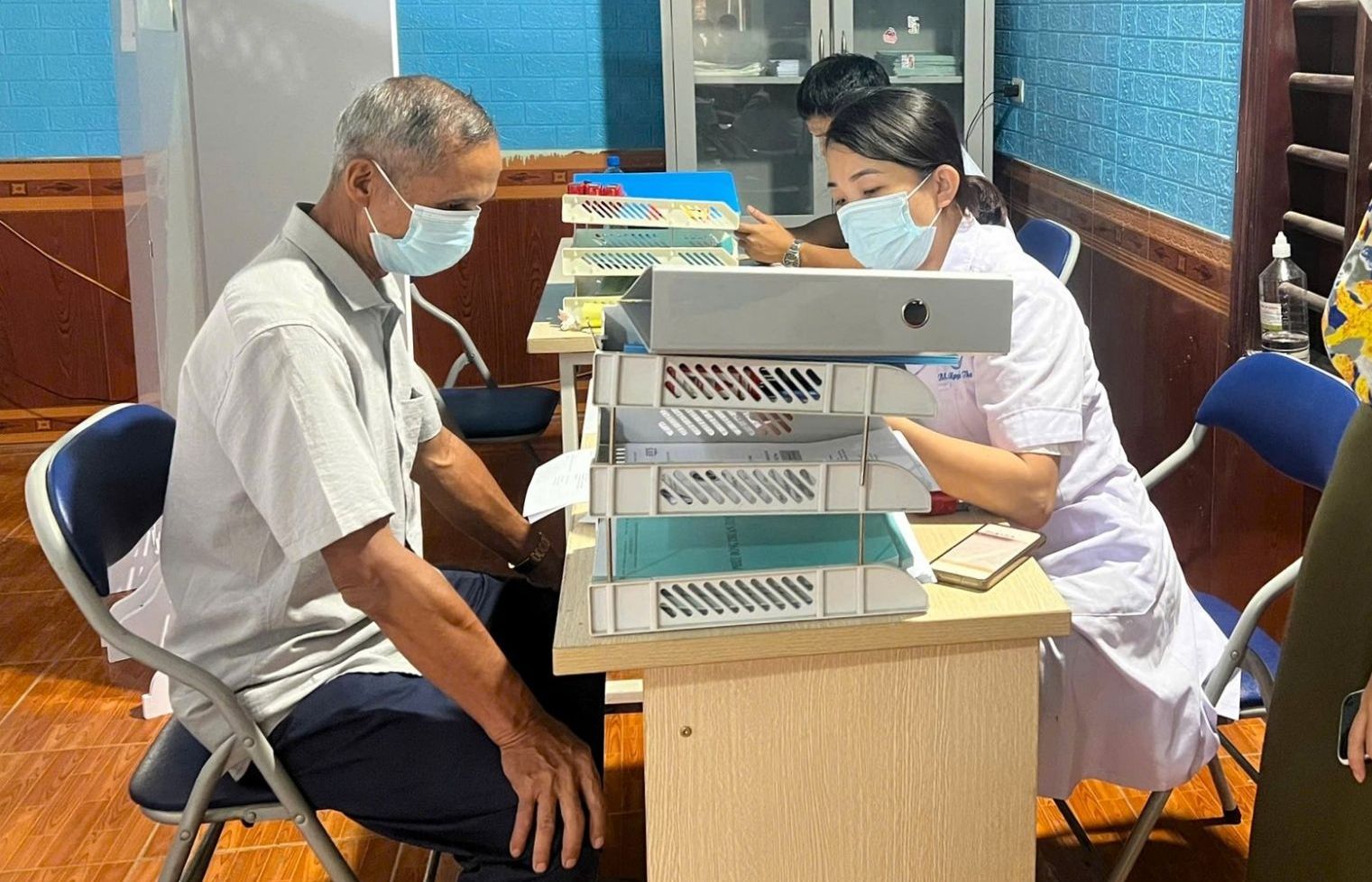
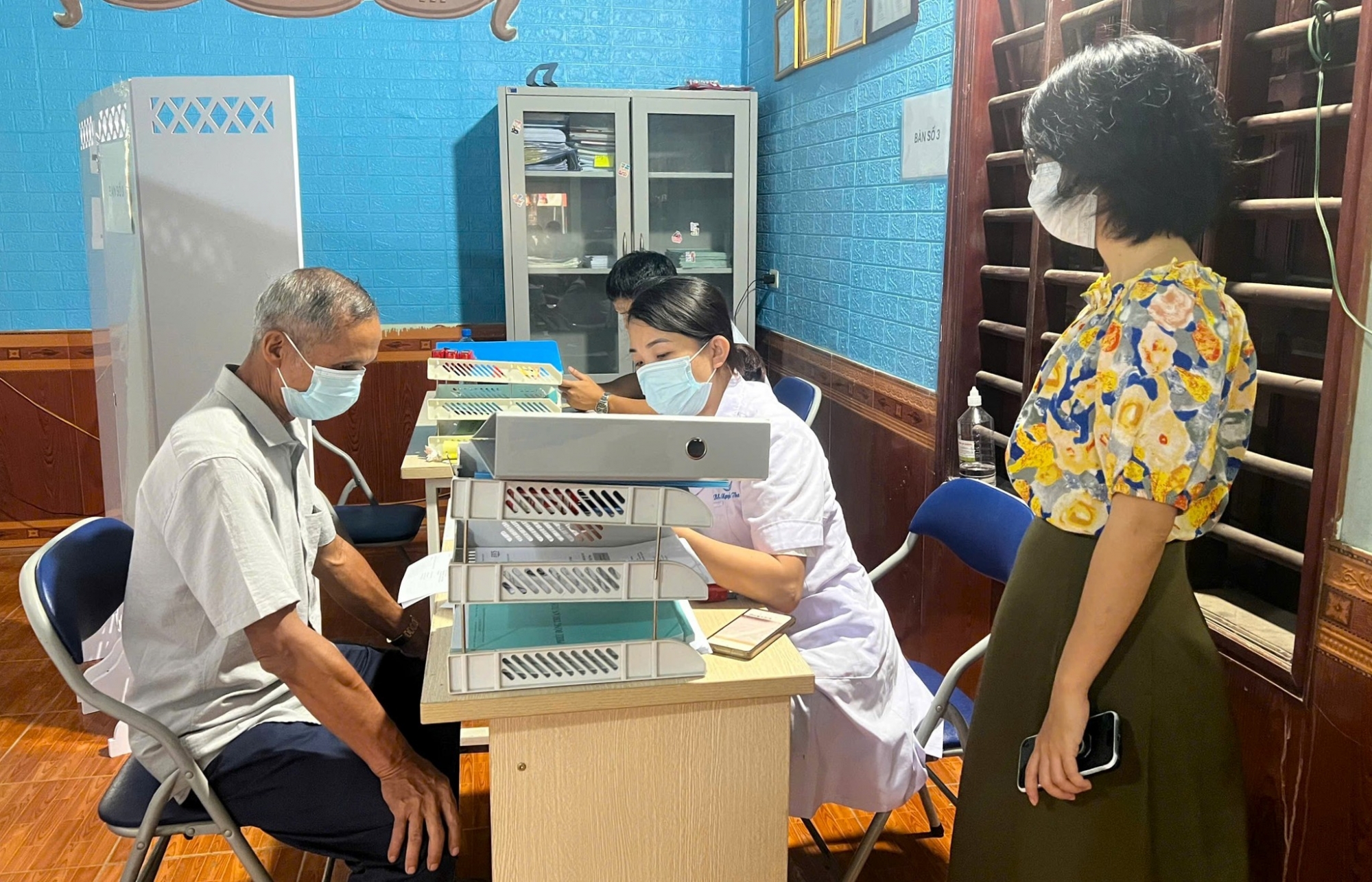
Photo: The activity is implemented in close collaboration with local healthcare staff
People with tuberculosis, suspected tuberculosis, or additional support needs will be connected to appropriate health facilities for timely examination, treatment, and follow-up, contributing to early detection and improved tuberculosis care in the project areas.
CSET members’ efforts to raise awareness about tuberculosis
Throughout May, members of the Community System to End TB (CSET) continued organizing community communication activities on tuberculosis across different provinces and cities.
The sessions were held in familiar community spaces such as residential areas or cultural houses, making it easier for local residents to participate. Information on tuberculosis symptoms, transmission, prevention, examination, and treatment was shared in simple and accessible ways, helping people better understand the disease and available care options.
.jpg)
Photo: A communication session in Dak Lak province
In Dak Lak, where many ethnic minority groups reside, communication activities were adjusted to better fit the local context. For communities that do not use Vietnamese as their primary language, information was interpreted into local languages. Technical terms were also explained through familiar, everyday examples to make the content easier to understand and apply.
These communication activities helped bring tuberculosis knowledge closer to communities, encouraging people to take a more proactive role in protecting their own health and the health of those around them.
.jpg)

.jpg)


