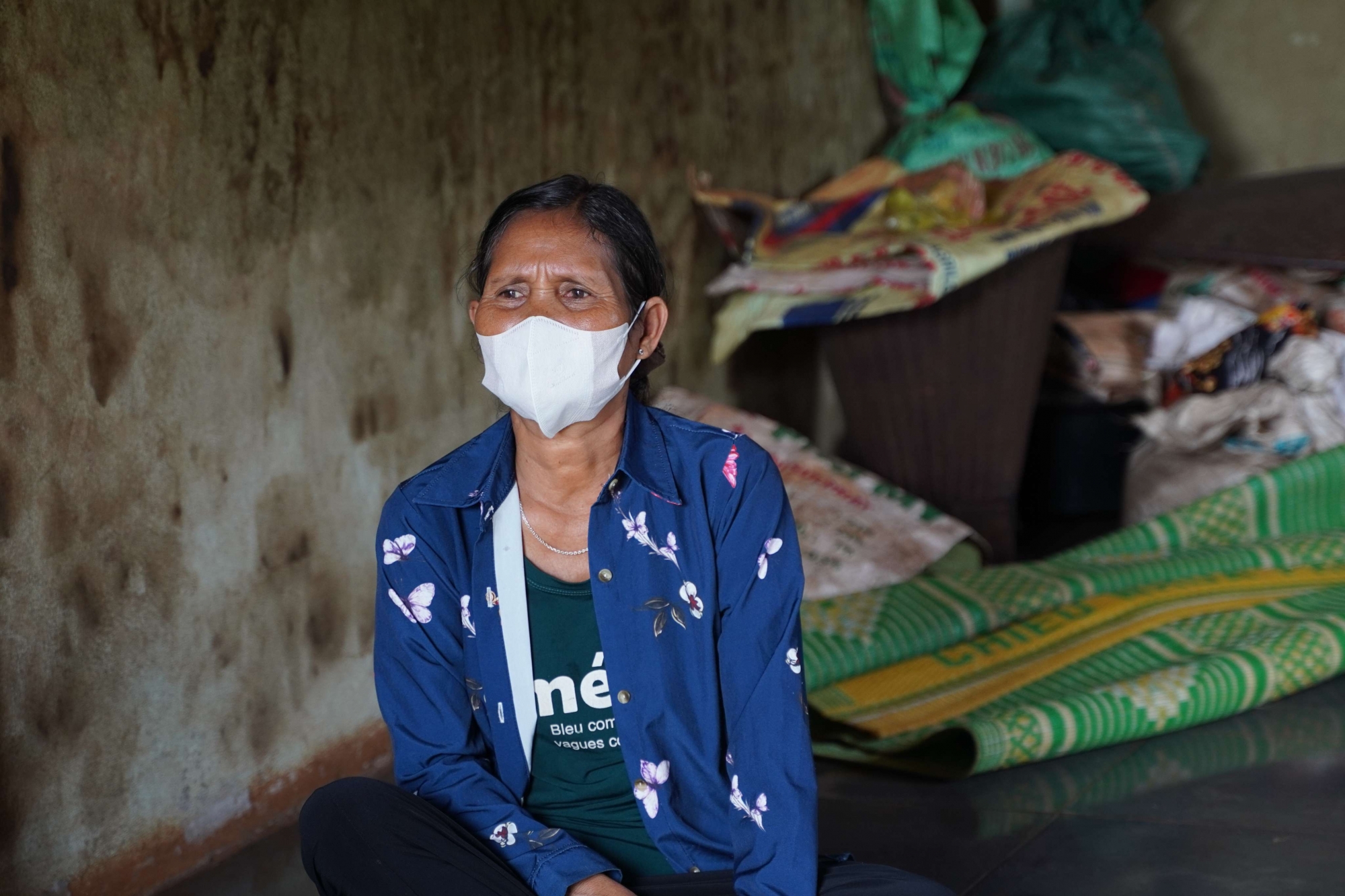
N.H.T., 53, lives with four family members in a small home in Dak Lak Province. The family belongs to the Hmong ethnic minority community and includes her husband, their children, and her elderly mother, whose health has weakened with age. Their livelihood depends on a small plot of land with 500 coffee trees and her husband’s irregular earnings from casual labor. Already struggling to make ends meet, the family faced even greater financial pressure when N.H.T. began TB treatment in mid-2026, leaving her husband as the sole breadwinner.
The road to diagnosis was itself difficult for the family. N.H.T. had several underlying health conditions and frequently experienced fatigue, requiring repeated visits to different health facilities. For a farming household with no savings, the accumulated costs of transportation, meals, and medical visits placed considerable strain on their limited resources. In late June 2026, as her health continued to deteriorate, she visited a health facility and was diagnosed with TB.
Once treatment began, the financial pressure grew. N.H.T. had to put her daily work on hold, leaving her husband to cover all household expenses, care for their elderly family member, and raise their children. This added pressure on the family’s livelihood directly affected her treatment journey. With household income significantly reduced, maintaining an adequate diet became increasingly difficult. Good nutrition is important for people undergoing TB treatment, helping support immune function and improve their ability to tolerate medication. The combined burden of illness and financial hardship can increase the risk of treatment interruption, pushing families further into a cycle of poverty and illnesses.
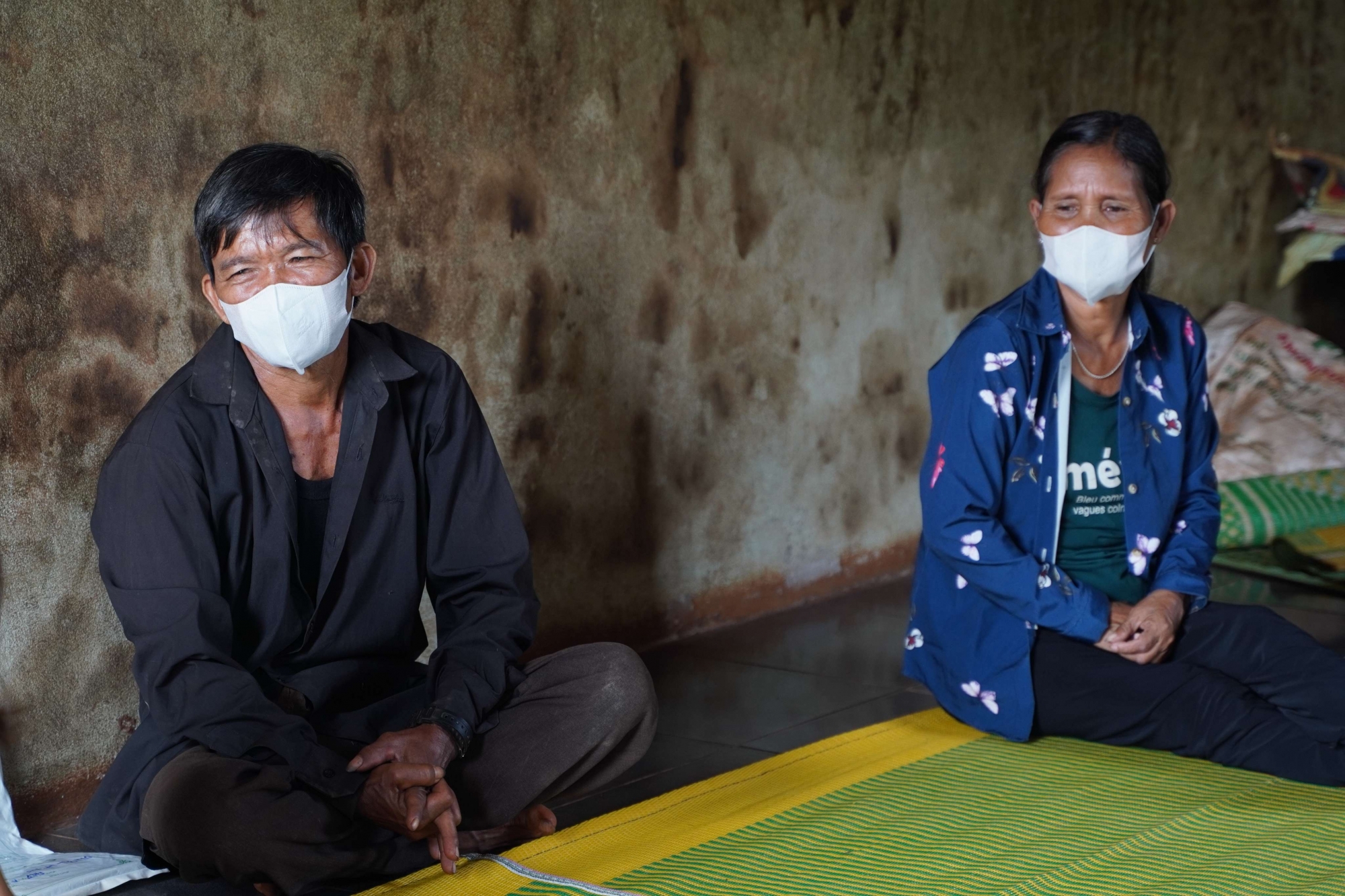
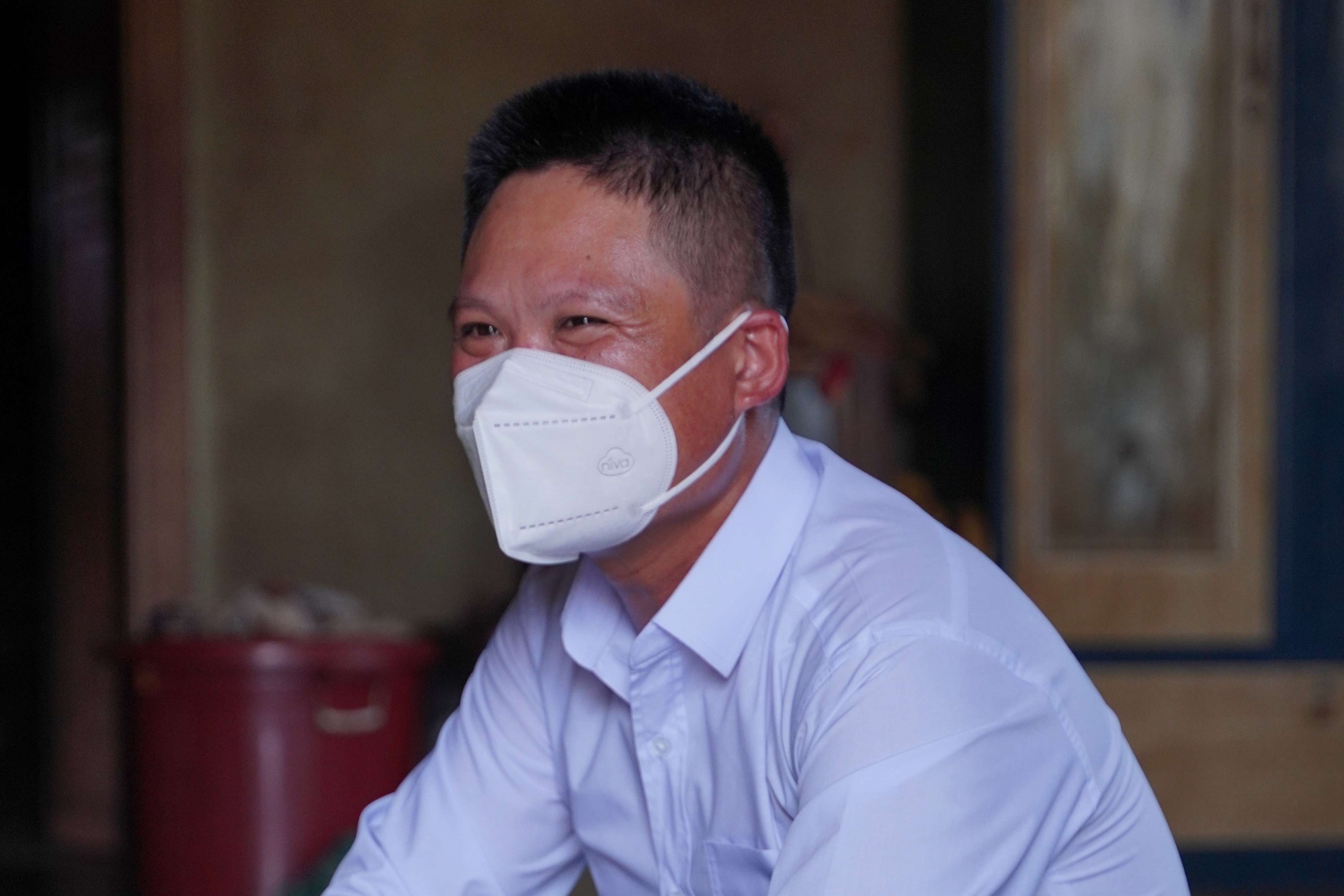
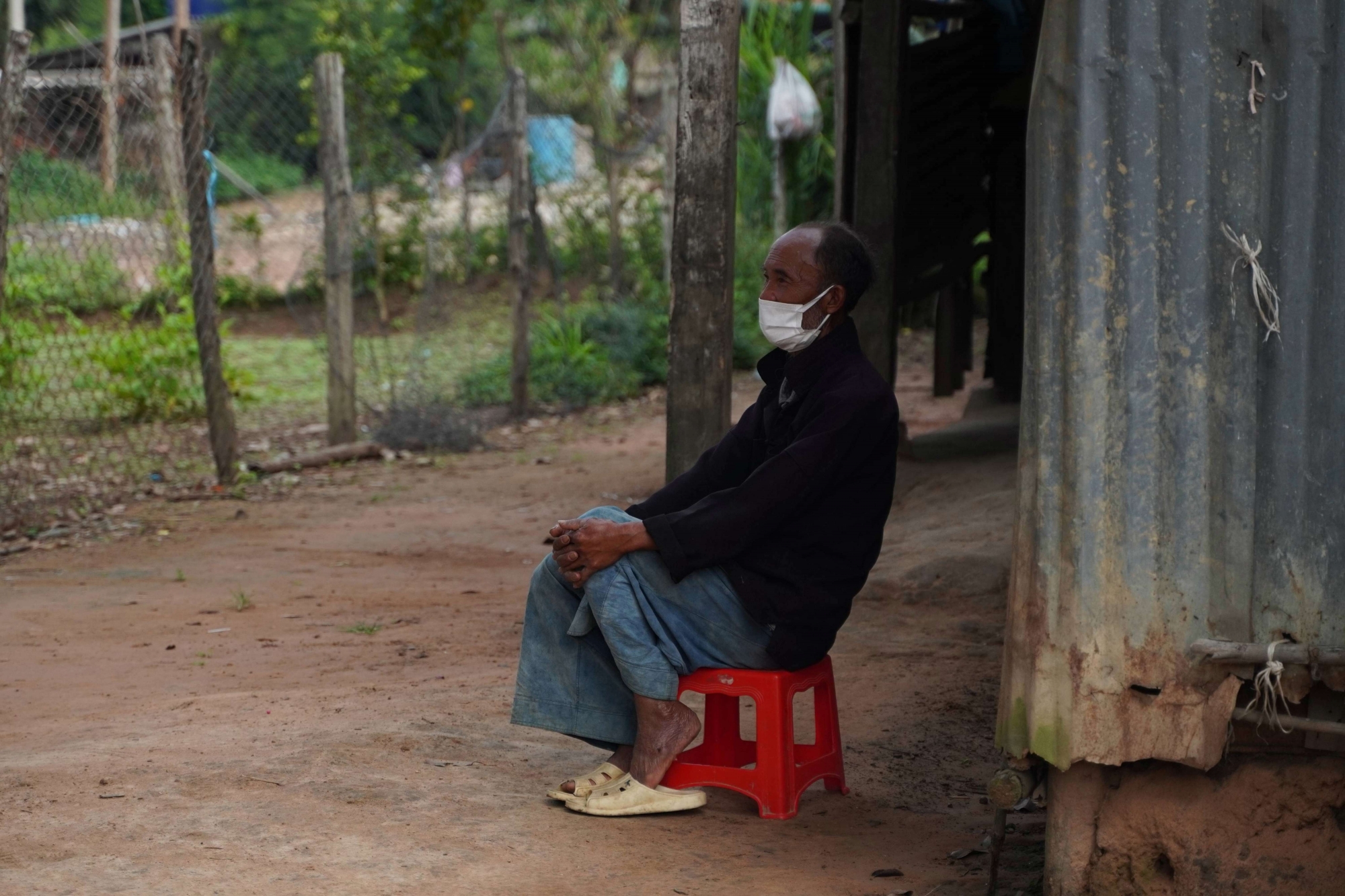
Since T. got diagnosed with TB and began treatment, the family's income becomes entirely dependent on her husband's irregular jobs
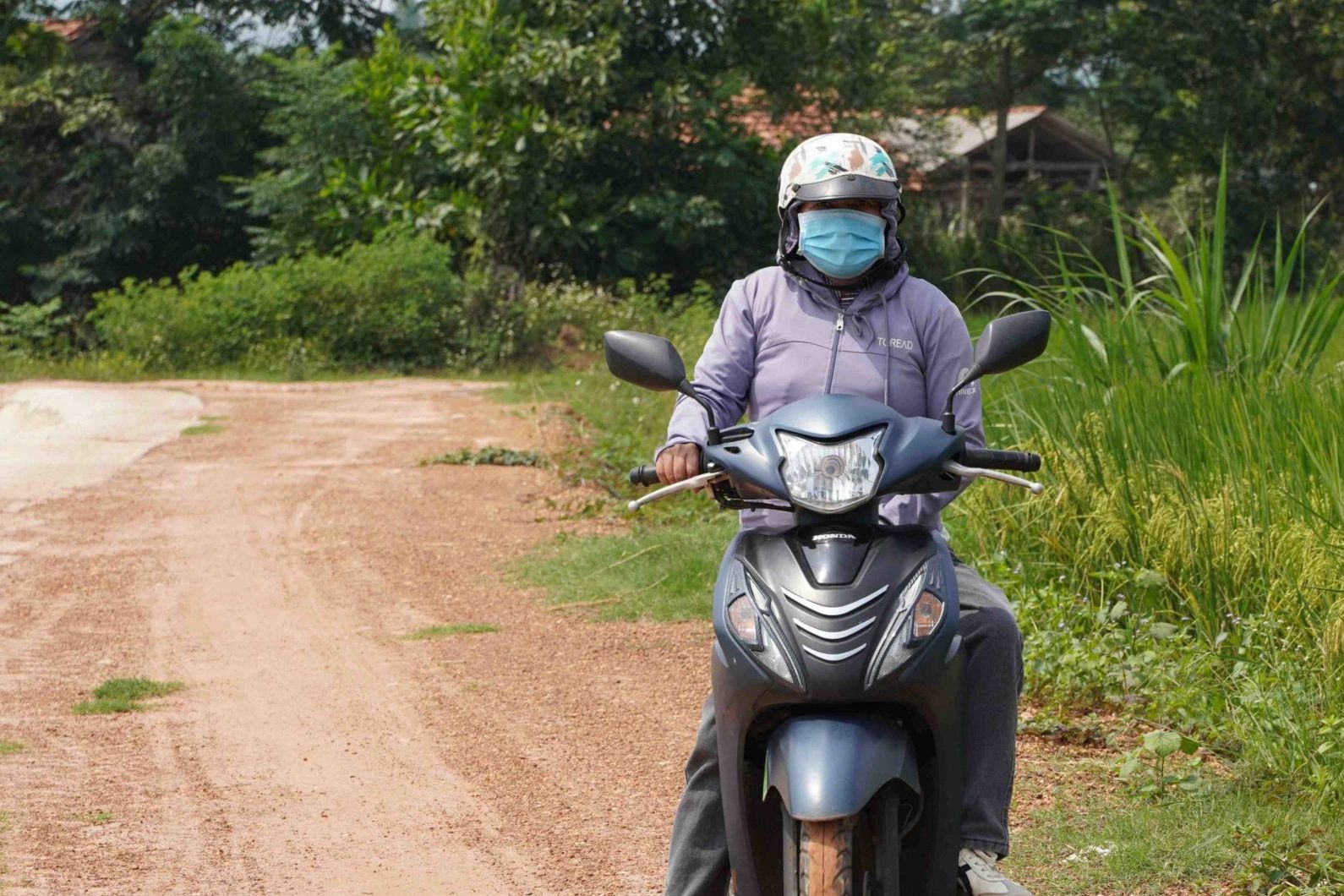
Throughout these challenges, the Community System to End TB (CSET) has remained closely involved in supporting N.H.T. and her family. Tien Dung, a local CSET collaborator, has become a familiar and trusted source of support.
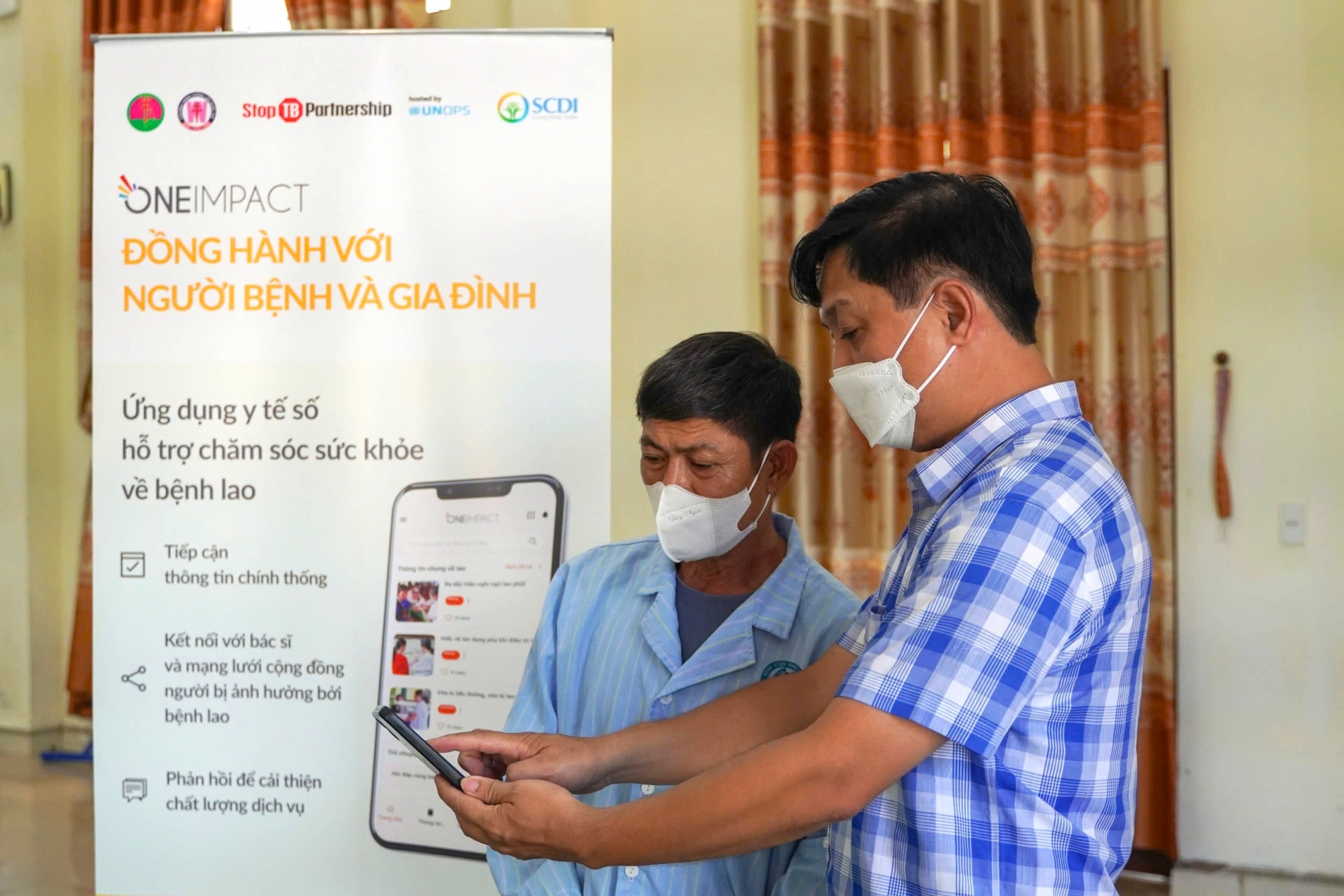
Beyond checking in on the family, Tien Dung helps connect them with local health services and navigate the treatment process. He patiently guides N.H.T. on monitoring her health, maintaining adequate nutrition, and taking her medication at a consistent time each day as prescribed by her doctor. He also reminds the family of their appointments at the commune health station to collect medication and attend regular follow-up visits.
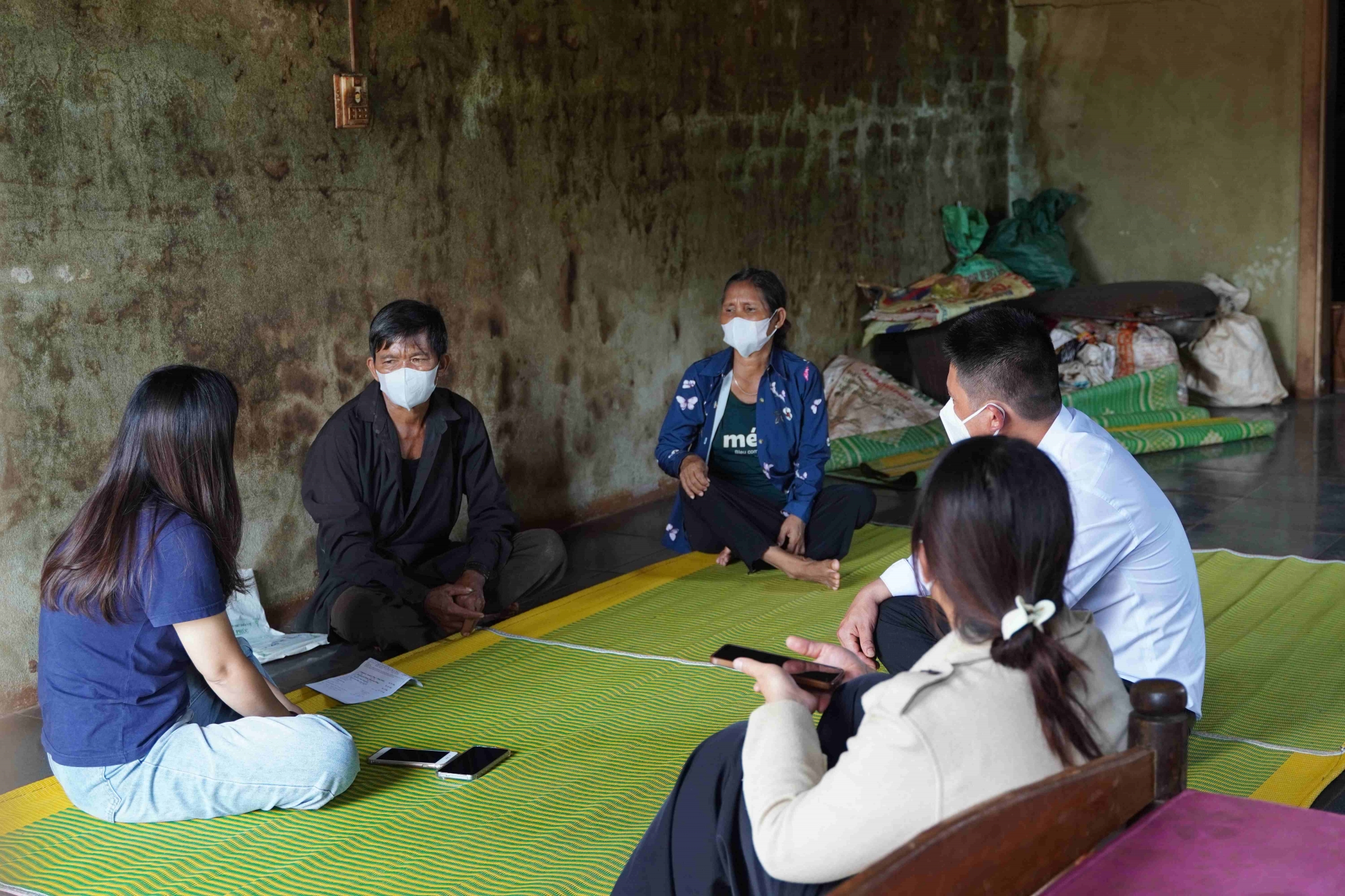
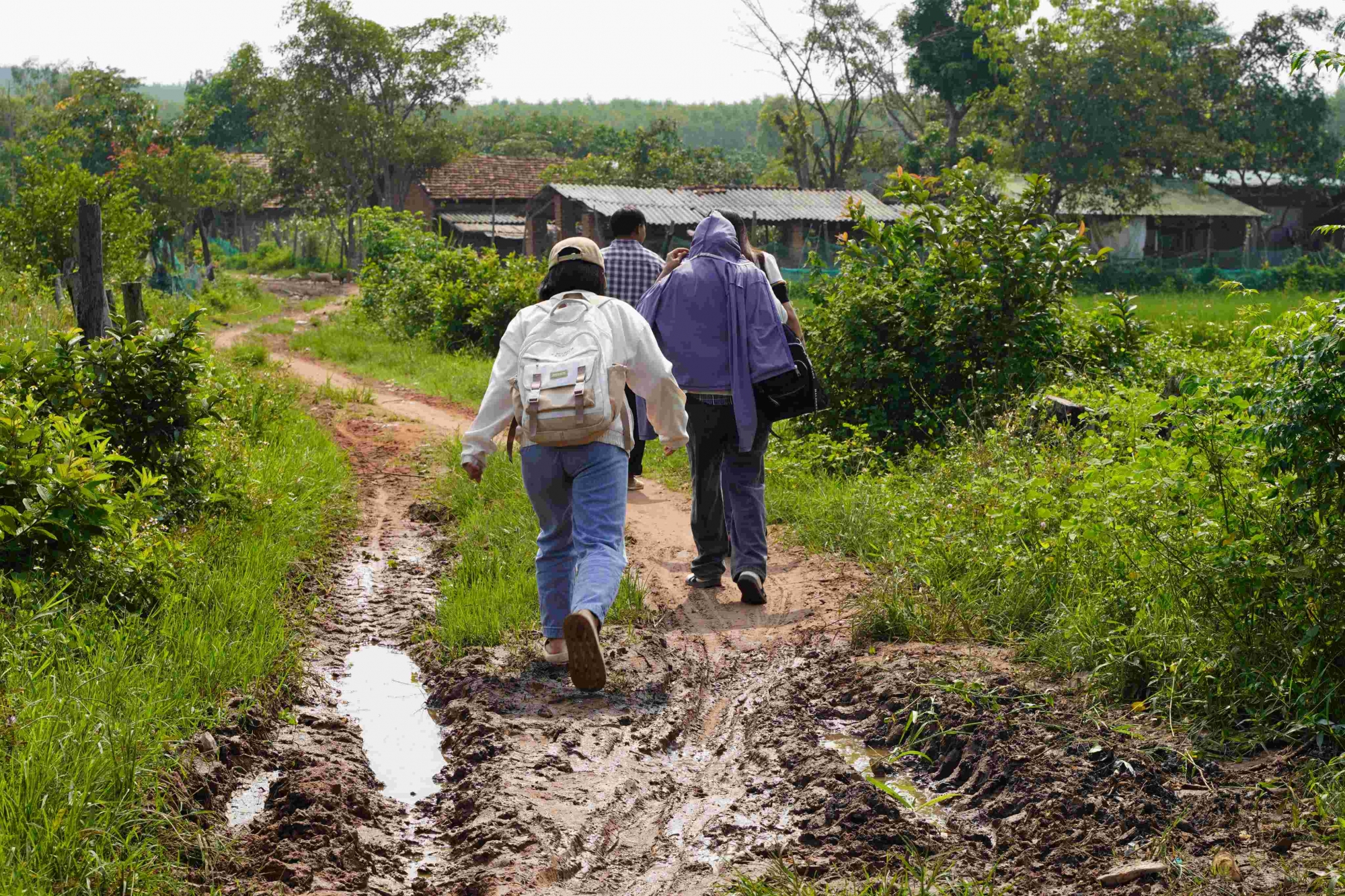
Tien Dung, along with a local CSET and SCDI officer, visits T. in September 2026
Recognizing the family’s difficulties, Dung proactively contacted SCDI’s program team to mobilize additional resources. Timely nutritional and financial assistance helped N.H.T. maintain her strength while she was unable to work, while also easing the burden of transportation costs. With some of the pressure of daily expenses lifted, the family could focus more on helping her complete the prescribed treatment regimen.
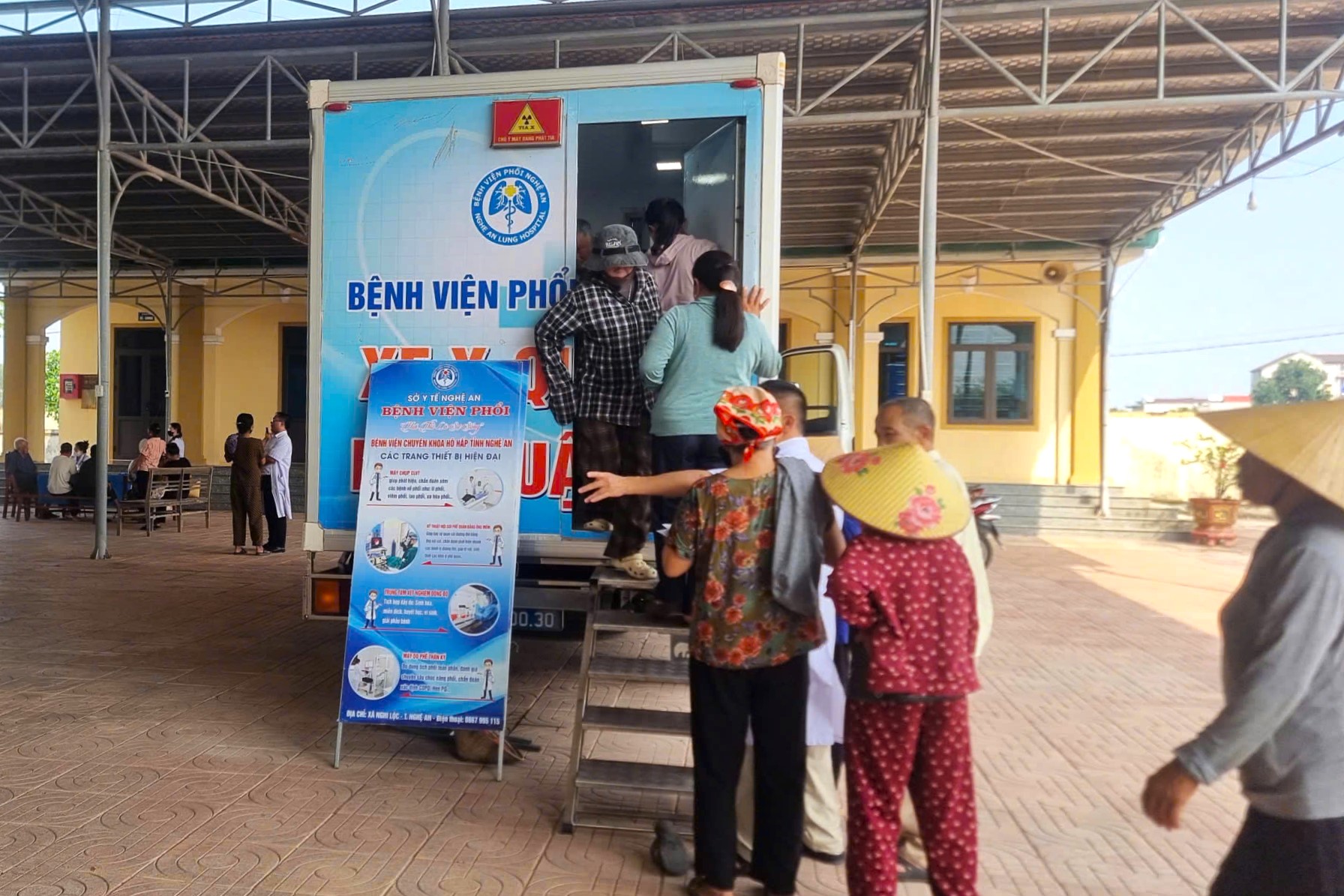
Dung’s work also extends beyond individual households. He organizes community awareness sessions with the participation of neighbors, sharing accessible information about TB symptoms, prevention, and caring for people undergoing treatment. These informal gatherings encourage community members to seek medical attention when they notice unusual symptoms. They also create opportunities for open conversations about TB, helping reduce fear and stigma toward people affected by the disease.
TB treatment remains a demanding journey for N.H.T. and her family. But the consistent support of CSET members like Dung has given them an important source of reassurance along the way. With this support, N.H.T. and her family feel more confident in continuing treatment and working through the challenges, one step at a time, toward recovery.