Tuberculosis (TB) remains a major public health challenge in Vietnam. The country ranks 12th among the 30 countries with the highest TB burden and 10th among the 30 countries with the highest burden of drug-resistant TB worldwide. According to the National Tuberculosis Control Program’s 2025 annual report, an estimated 40% of TB cases in the community remain undetected.
However, diagnosis and treatment initiation are only the first steps. Completing a treatment regimen that lasts several months requires people affected by TB to manage not only the impact of the disease on their health, but also financial strain and psychological stress. These challenges can be particularly pronounced in remote areas, where livelihoods are often precarious, health facilities are far away, and access to information is limited. Dak Lak is one such area.
With its vast territory, varied terrain, and many ethnic minority communities living far from urban centers, Dak Lak faces significant challenges in detecting and treating TB. In 2025 alone, the province recorded more than 1,400 TB cases across different forms of the disease. Some cases were only detected after the disease had progressed to an advanced stage, making treatment more complicated and taking a toll on the health and daily lives of both patients and their families.
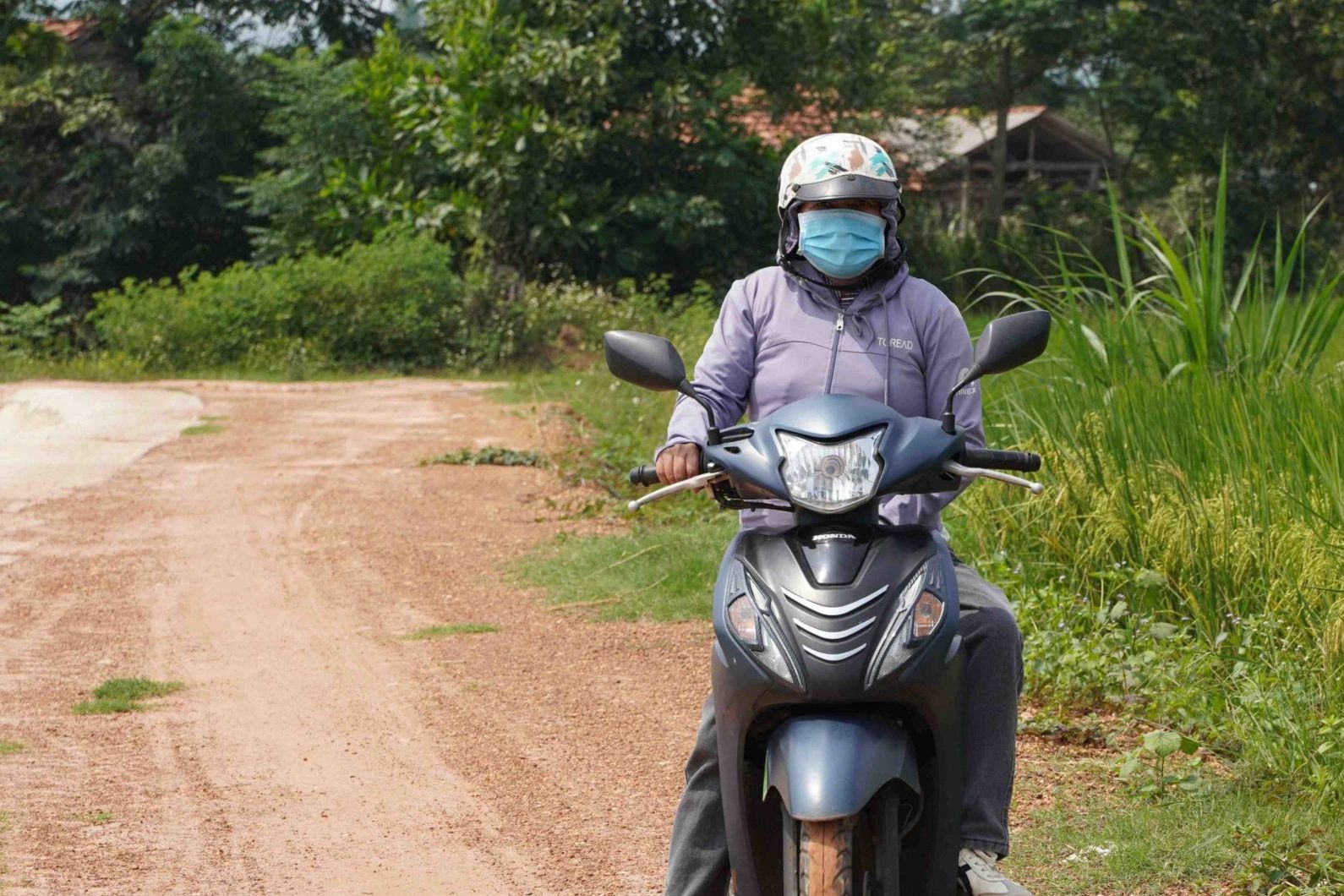
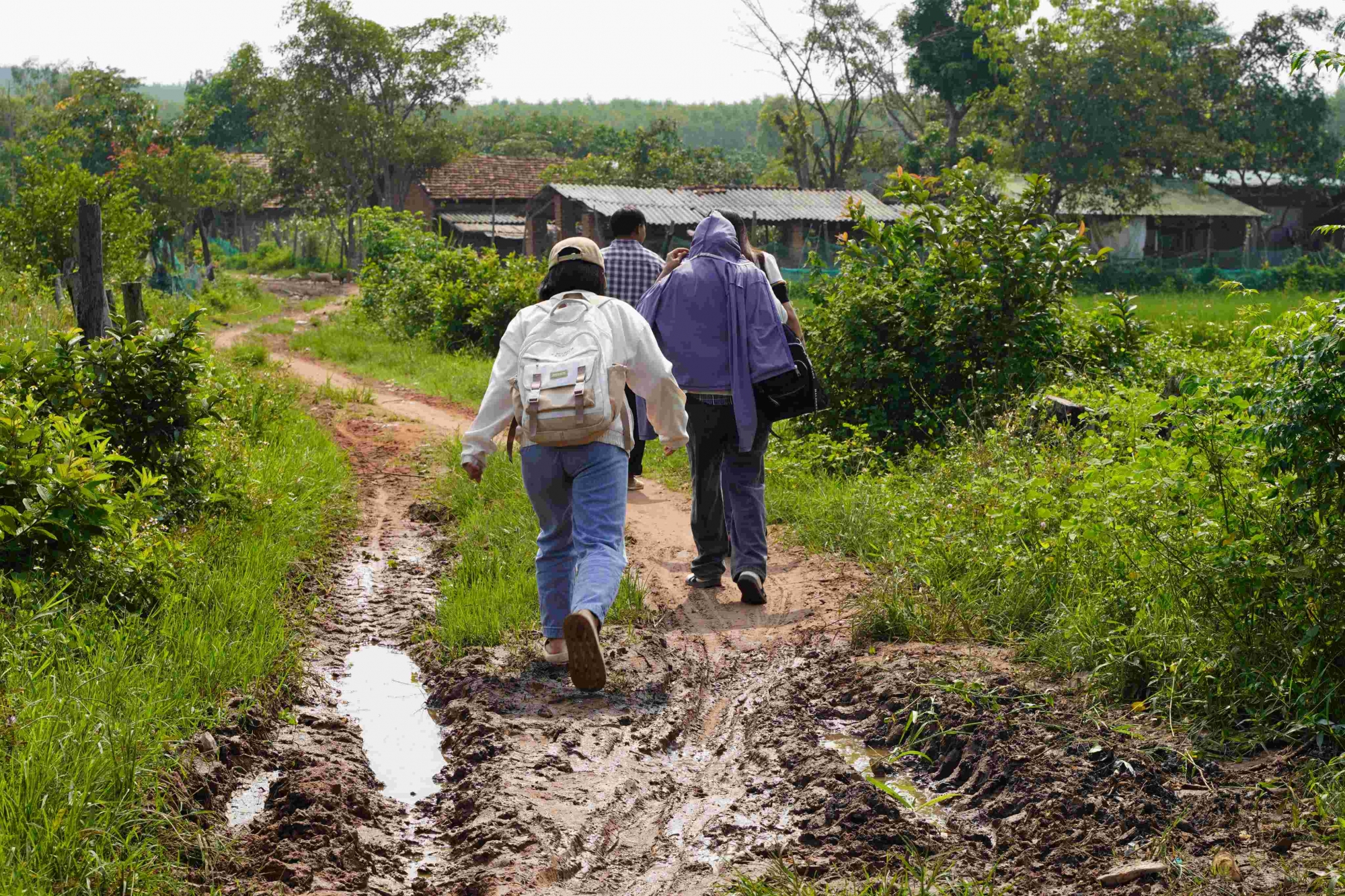
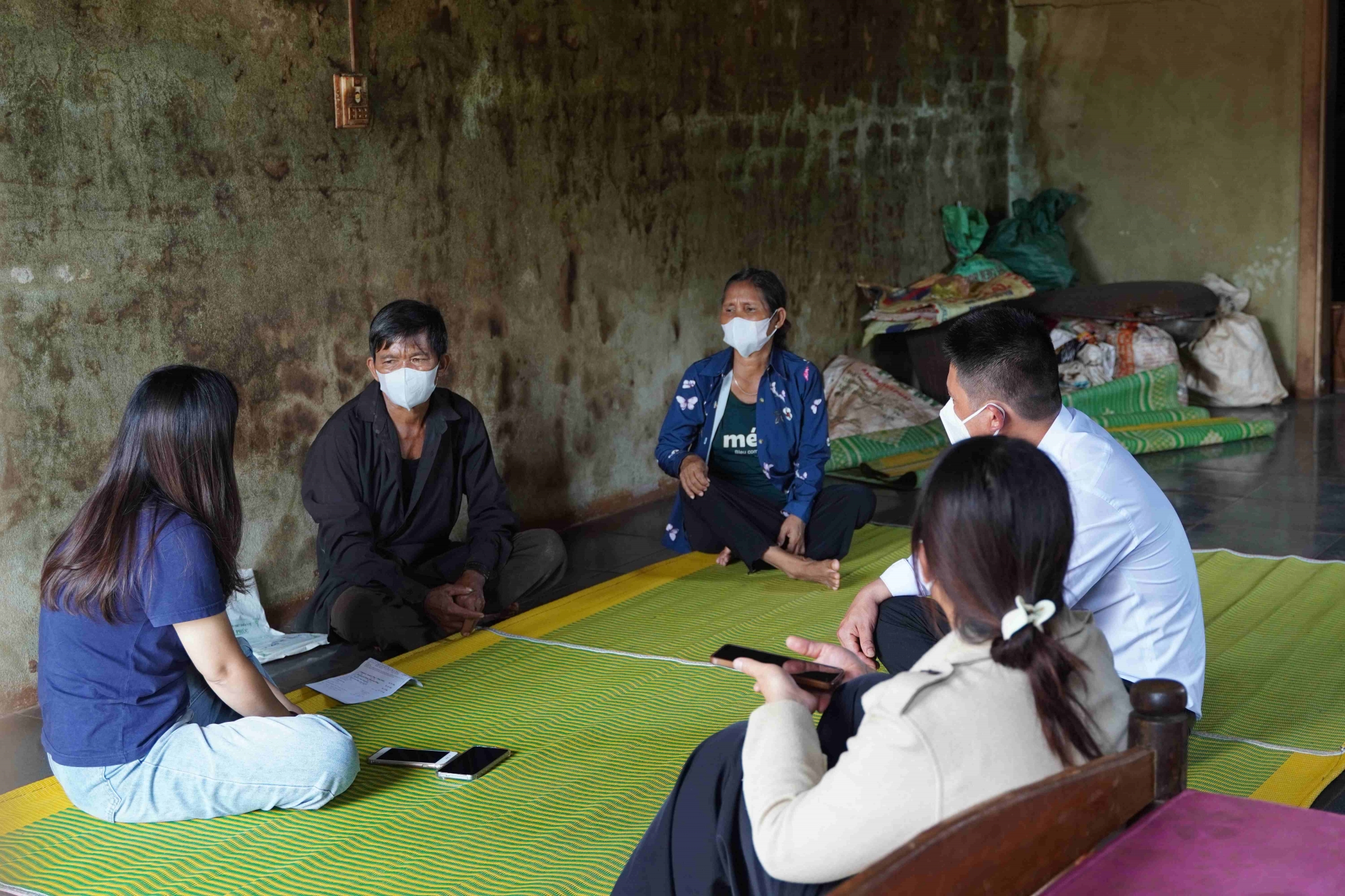
In mid-September, we visited several people undergoing TB treatment in the province and listened to their experiences. Traveling along winding, muddy roads and passing lush green rice fields to reach villages far from the center, we began to understand the obstacles people face each day as they work to stay on treatment.
Financial hardship and inadequate living conditions
Most of the people we met were living in difficult economic circumstances. Many families rely on farming, seasonal labor, or raising a few livestock and poultry to sell when money is needed. With incomes already uncertain, a TB diagnosis and months of treatment can place additional pressure on household finances.
Treatment for drug-susceptible TB typically lasts at least six months, while treatment for drug-resistant TB can take longer, depending on the prescribed regimen. During this time, declining health and side effects such as nausea, loss of appetite, and fatigue can make it difficult for people to continue their usual work, reducing household income. Meanwhile, essential living expenses do not stop.
Although health insurance and the national TB control program cover eligible medical costs in accordance with applicable regulations, patients and their families may still face indirect expenses. These can include transportation, meals during follow-up visits, and additional nutritional needs throughout treatment. For families already stretching limited resources to cover everyday necessities, even these additional costs can create considerable strain.
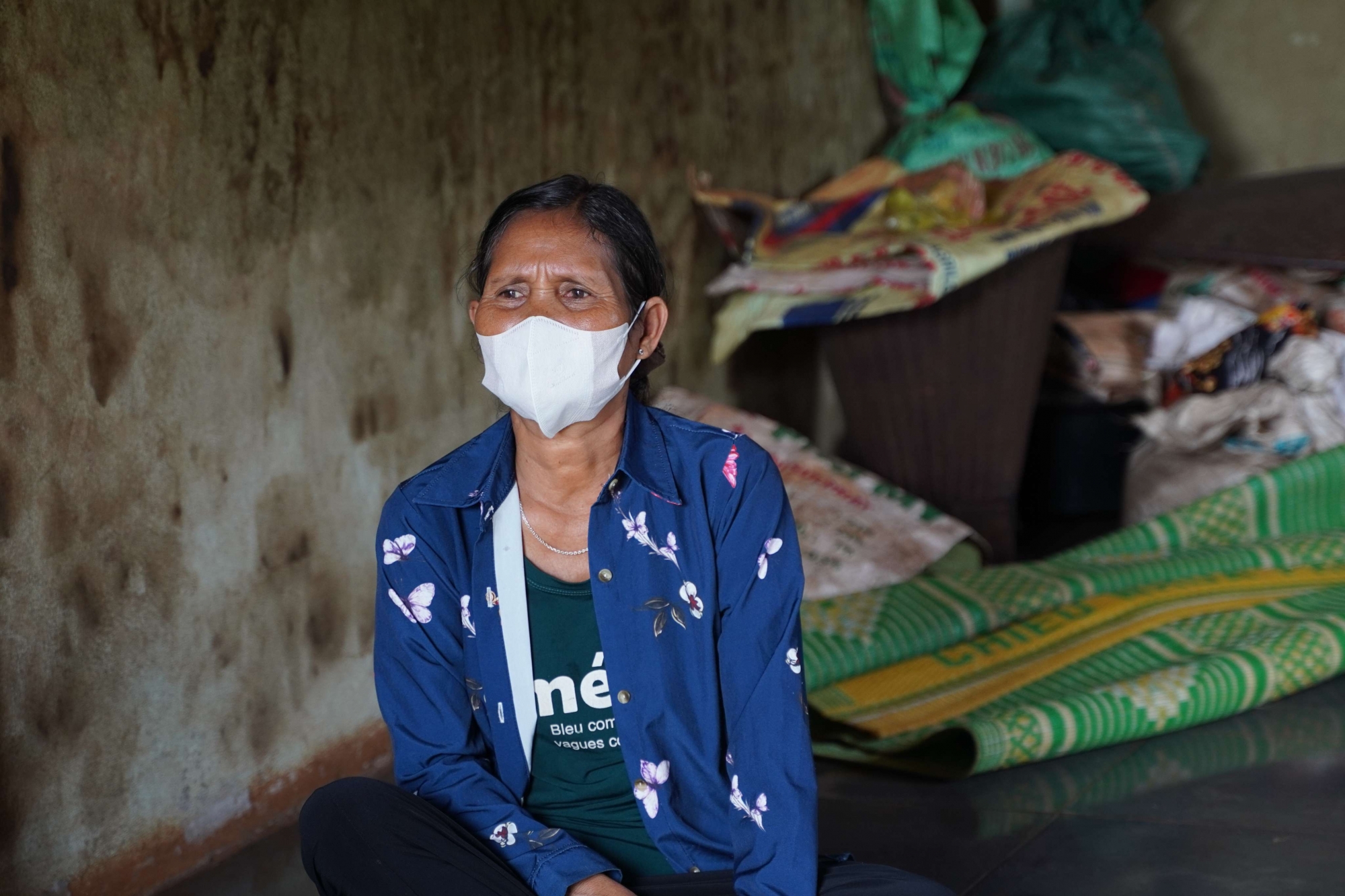
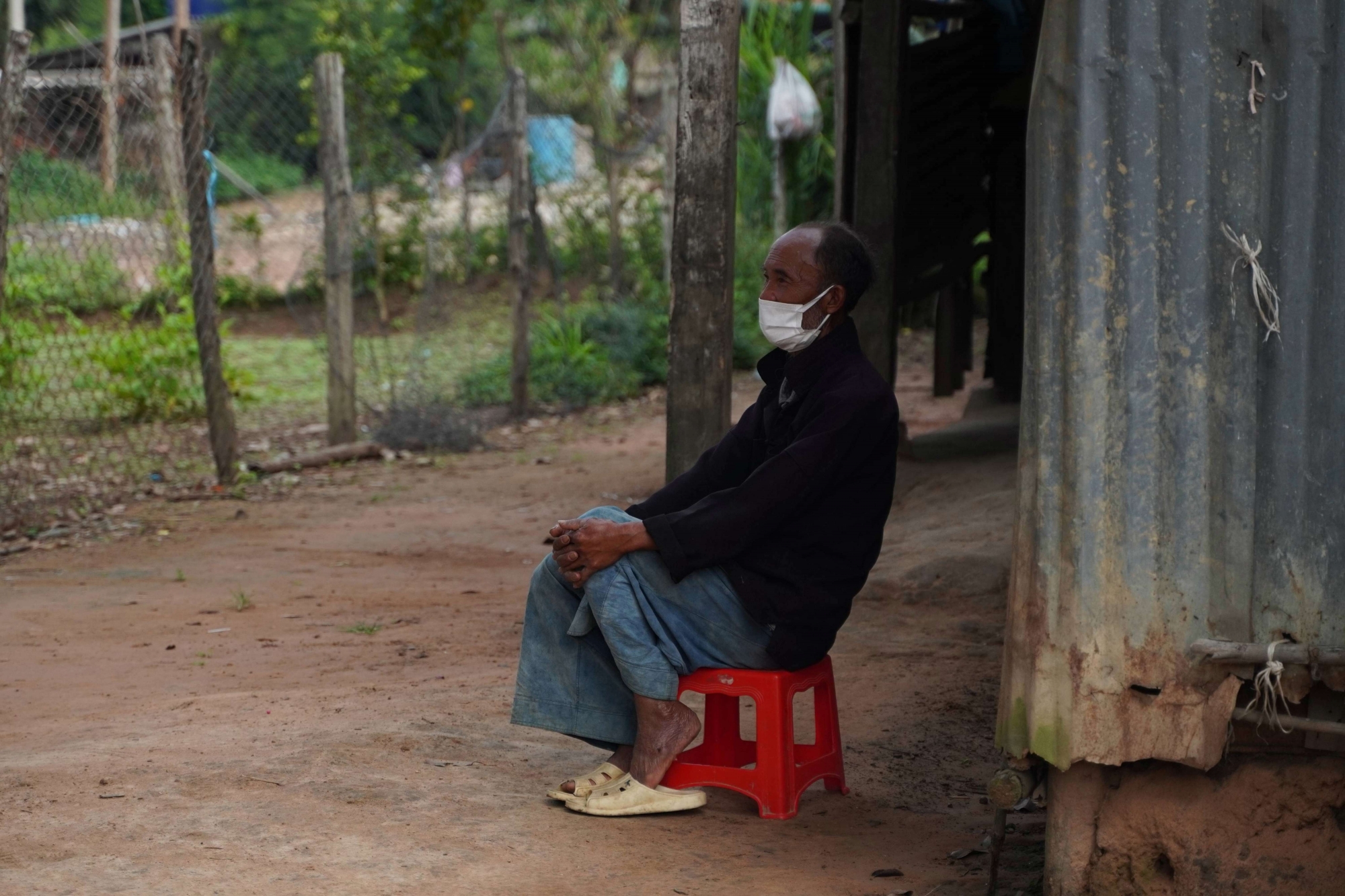
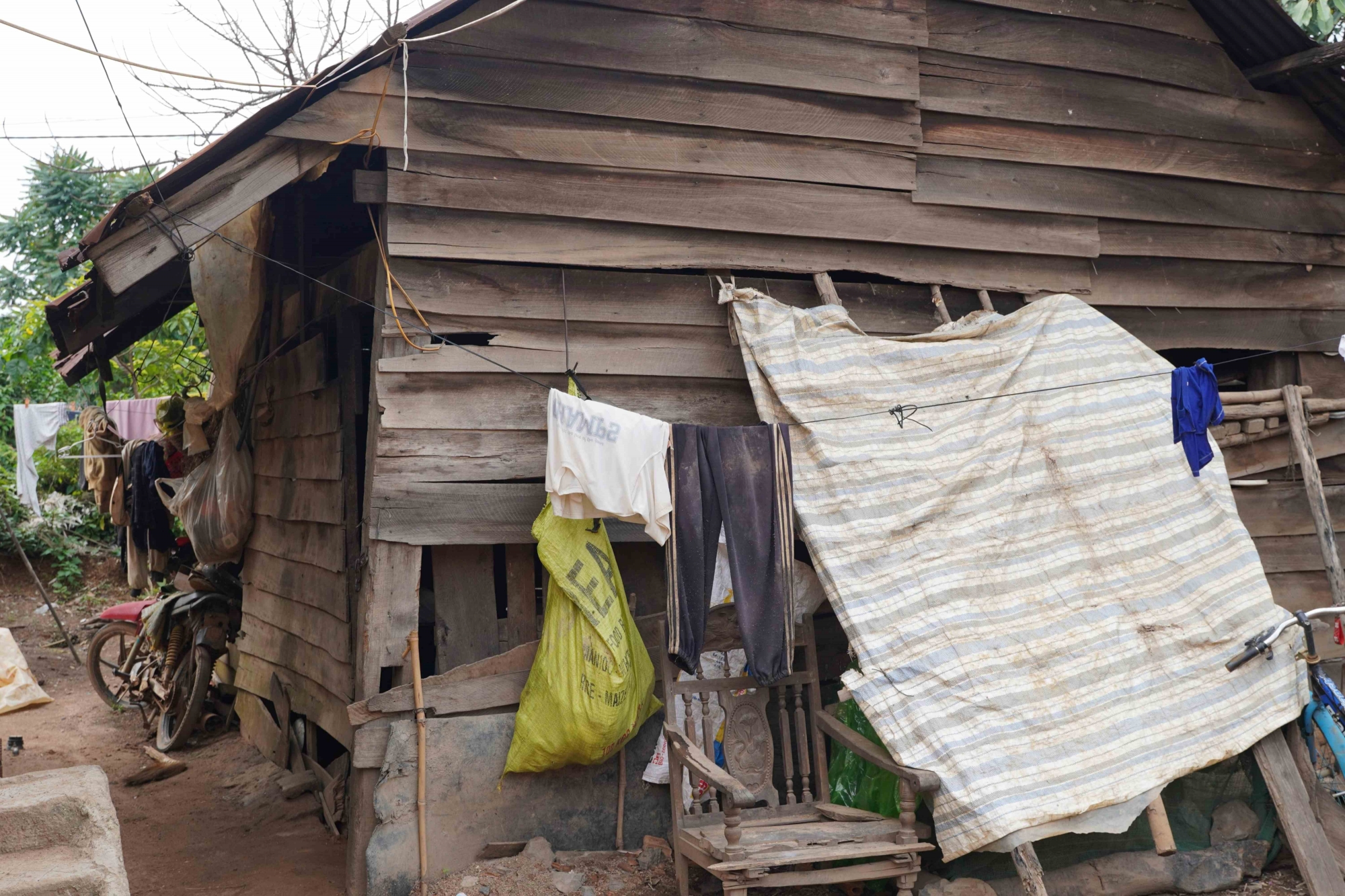
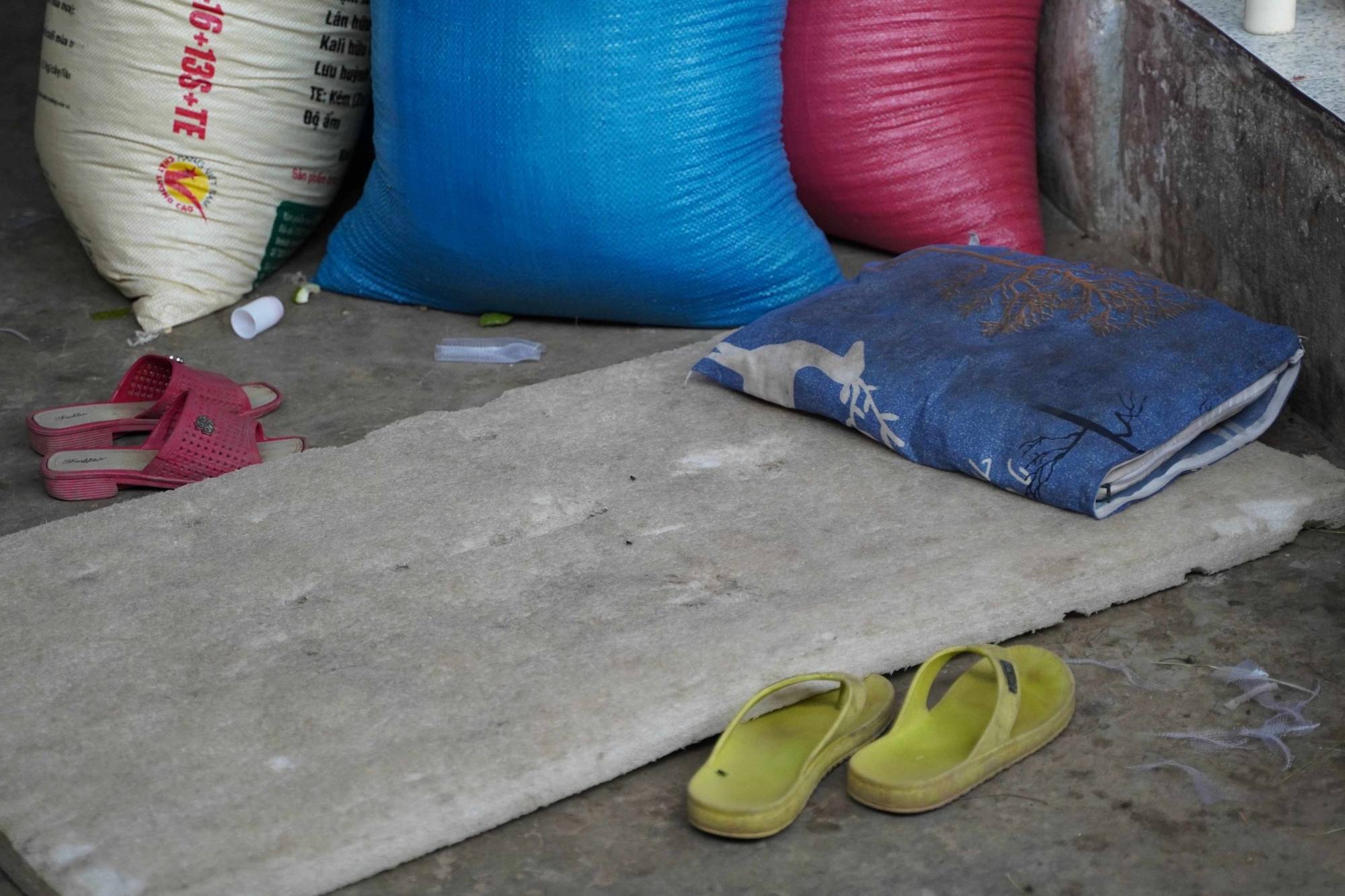
Financial hardship is also closely linked to living conditions. Some people we met lived in makeshift homes that were cramped, damp, and poorly ventilated. In crowded households, limited living space can increase the risk of airborne TB transmission. Inadequate nutrition can also weaken the immune system, increasing the risk of developing active TB among people who have been infected with the bacteria. When putting food on the table and meeting basic needs remain daily concerns, poor living conditions can make it even harder to look after one's health during treatment.
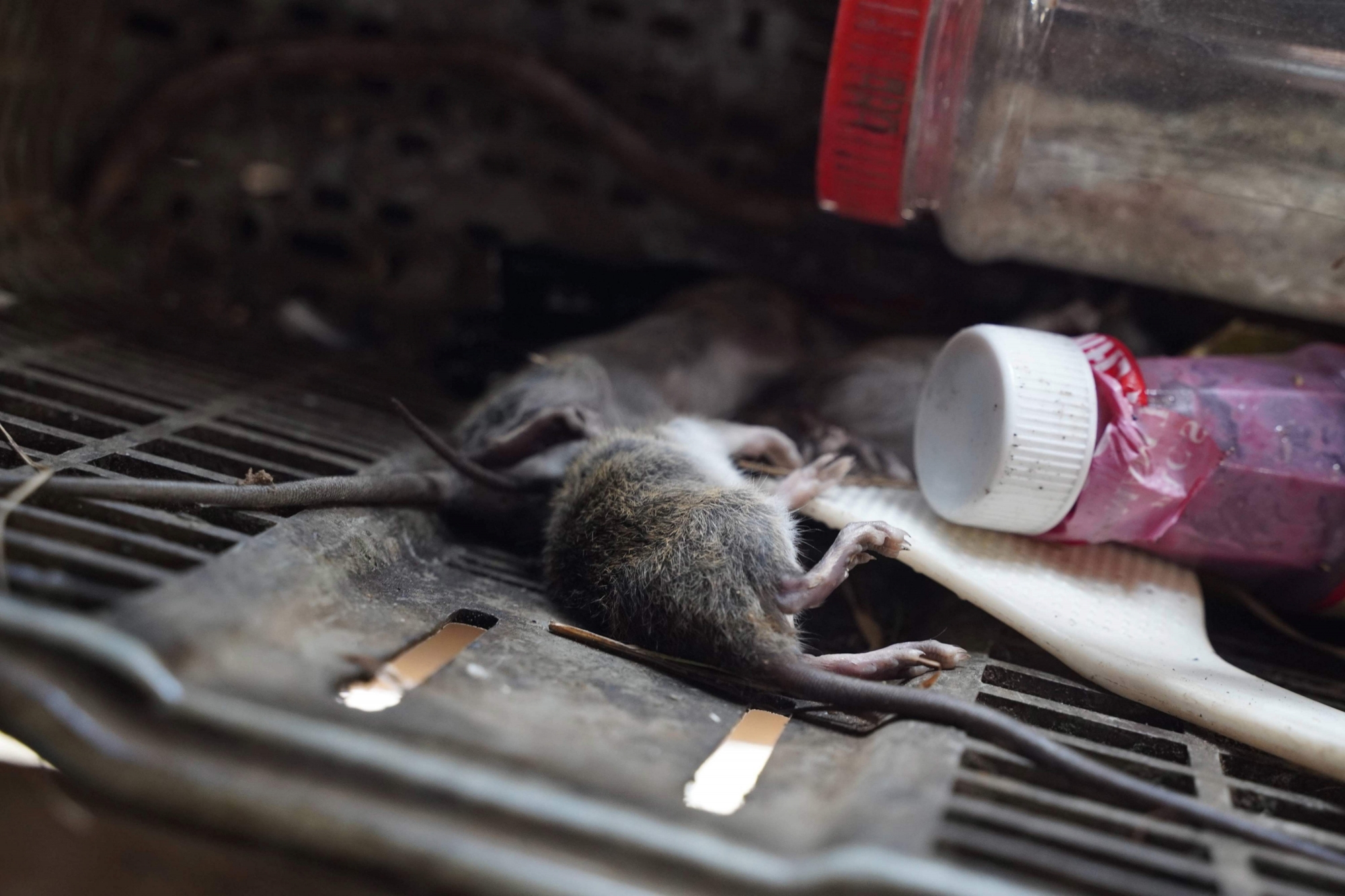
Many TB patients in Dak Lak are living in damp and poorly ventilated makeshift homes, with inadequate daily nutrition
Distance and language barriers
For people living in villages far from the province’s urban centers, reaching a health facility can mean traveling tens of kilometers along winding dirt roads and hilly terrain. Each follow-up appointment may depend on help from a family member. Arranging these long journeys is not always easy and can result in missed appointments or interruptions in treatment.
Language barriers add another layer of difficulty. For ethnic minority patients who are not fluent in Vietnamese, communicating during medical visits and follow-up appointments, as well as accessing information about TB, can be challenging.
When these barriers overlap, staying on treatment becomes even more difficult. People may miss follow-up appointments, interrupt their medication, or discontinue treatment before completing the prescribed regimen. This can affect individual treatment outcomes and increase the risk of further transmission within the community.
The experiences of Mr. L.C.P. and Ms. N.H.T., two people undergoing TB treatment whom we met during our field visit, offer a closer look at the challenges behind the treatment journey. Their stories are a starting point for understanding the barriers faced by people affected by TB in Dak Lak, as well as the role community support can play in helping them navigate treatment.
(To be continued)
Read more: Part 2 - Finding Hope Again After Three Times Battling With TB