Supporting someone through TB treatment involves more than helping them follow their treatment regimen or access nutritional and financial assistance. People affected by TB may also withdraw from others, fear stigma, or feel isolated. For them, having someone in their community who checks in, offers encouragement, and stays by their side can make a real difference. This support can help them find the motivation to continue treatment, while also challenging misconceptions about TB within the wider community.
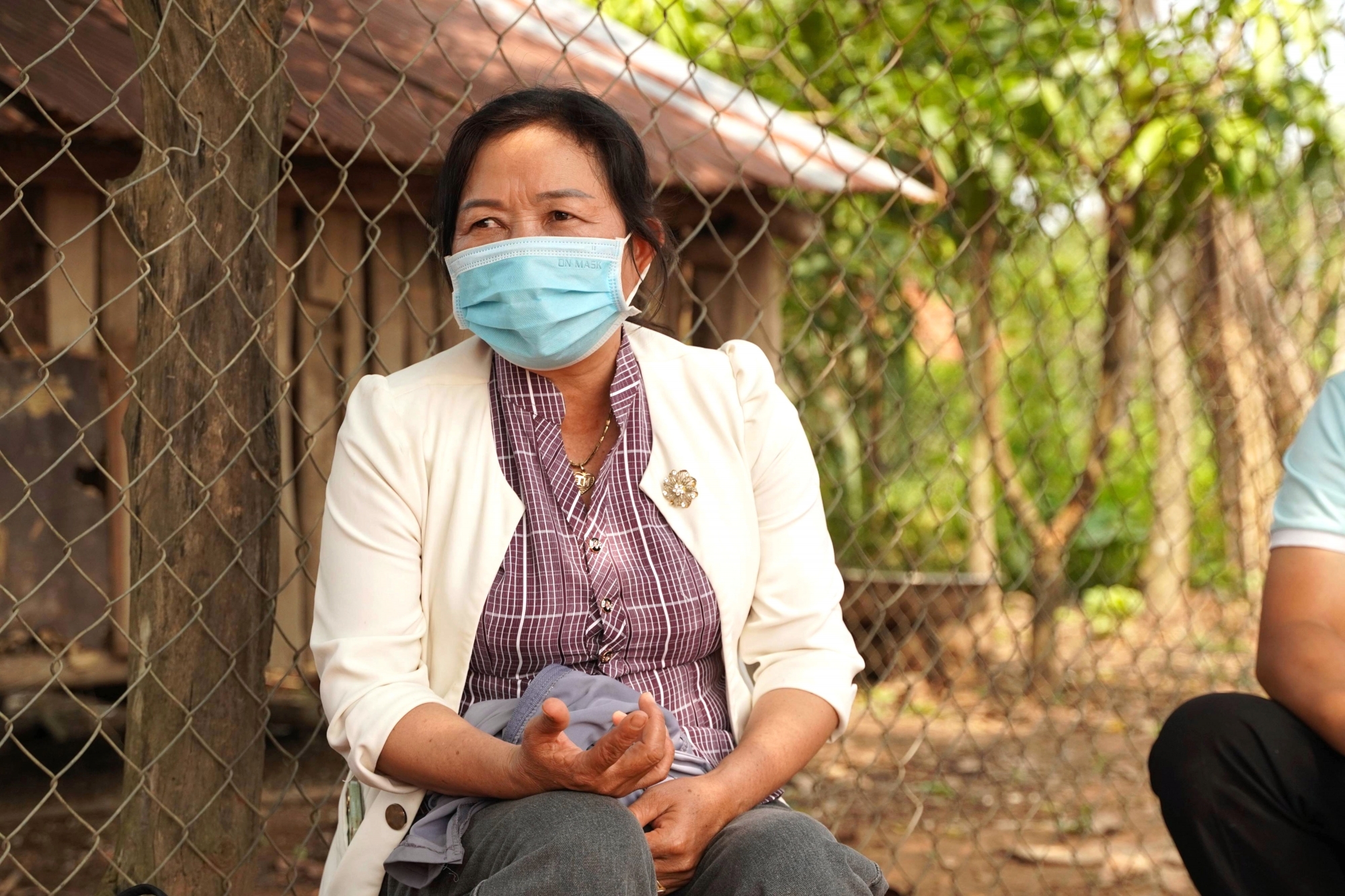
The experience of Duong Thi Thao, a member of the Community System to End TB (CSET) in Dak Lak, shows what this support looks like in practice.
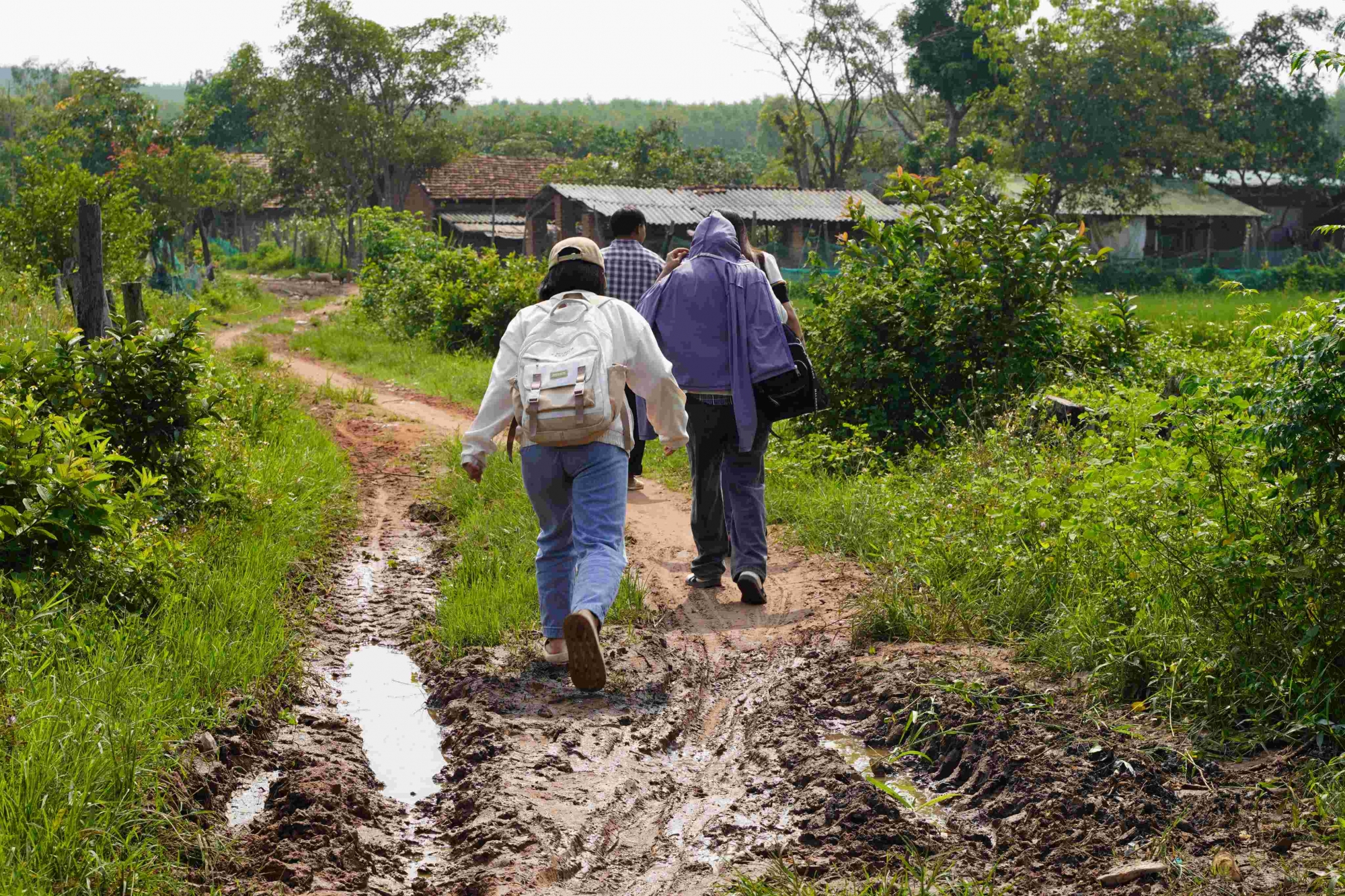
As an experienced village health worker responsible for an area of nearly 2,900 residents, Thao already had a demanding workload. Yet she took on an additional role supporting people affected by TB through CSET without hesitation. Whenever she heard that someone needed help, she would set out on her motorbike, sometimes traveling tens of kilometers along muddy, hilly roads to reach them.
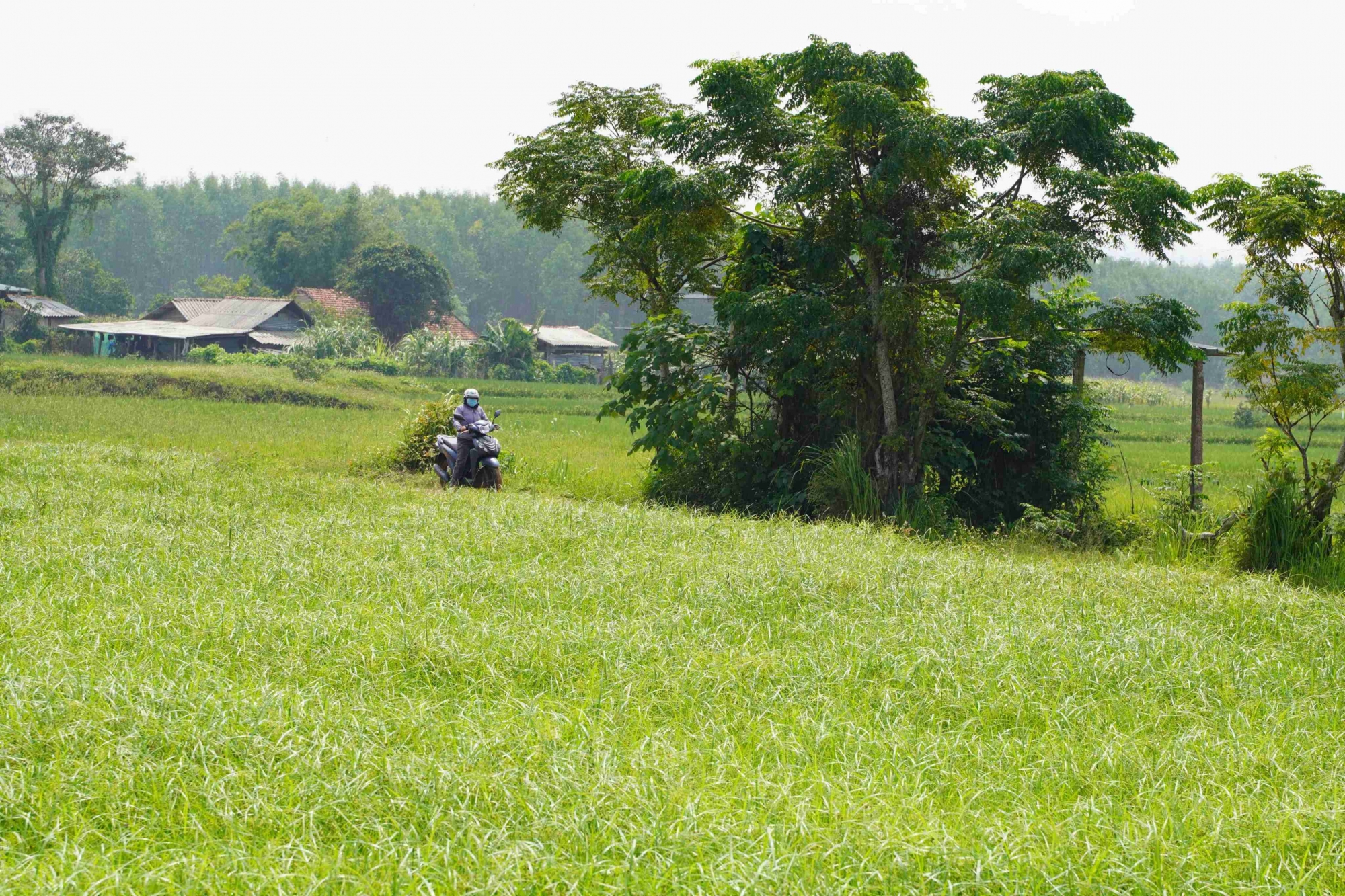
Thao on her way to visit a TB patient
Thao stays closely involved with each person she supports, working with doctors and other health workers to encourage them to take their medication at the right time and in the prescribed doses. TB treatment can involve taking multiple pills over an extended period, which can be confusing and make it easier to miss a dose. To help, Thao carefully sorts patients’ medication into small packets for each day. It is a simple but thoughtful step that makes it easier for them to keep track of their medication and take it correctly.
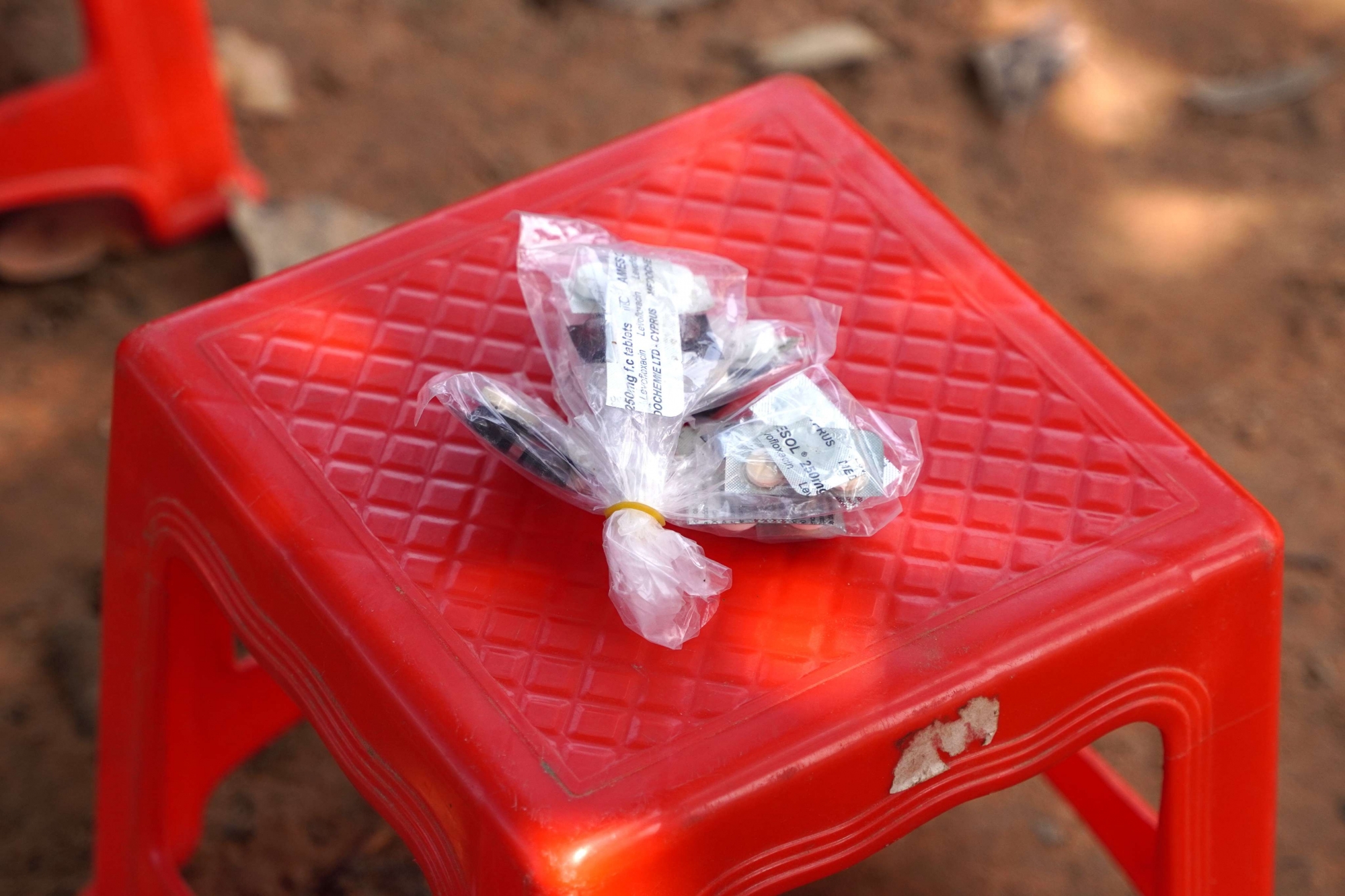
Thao carefully sorts patients’ medication into small packets for each day
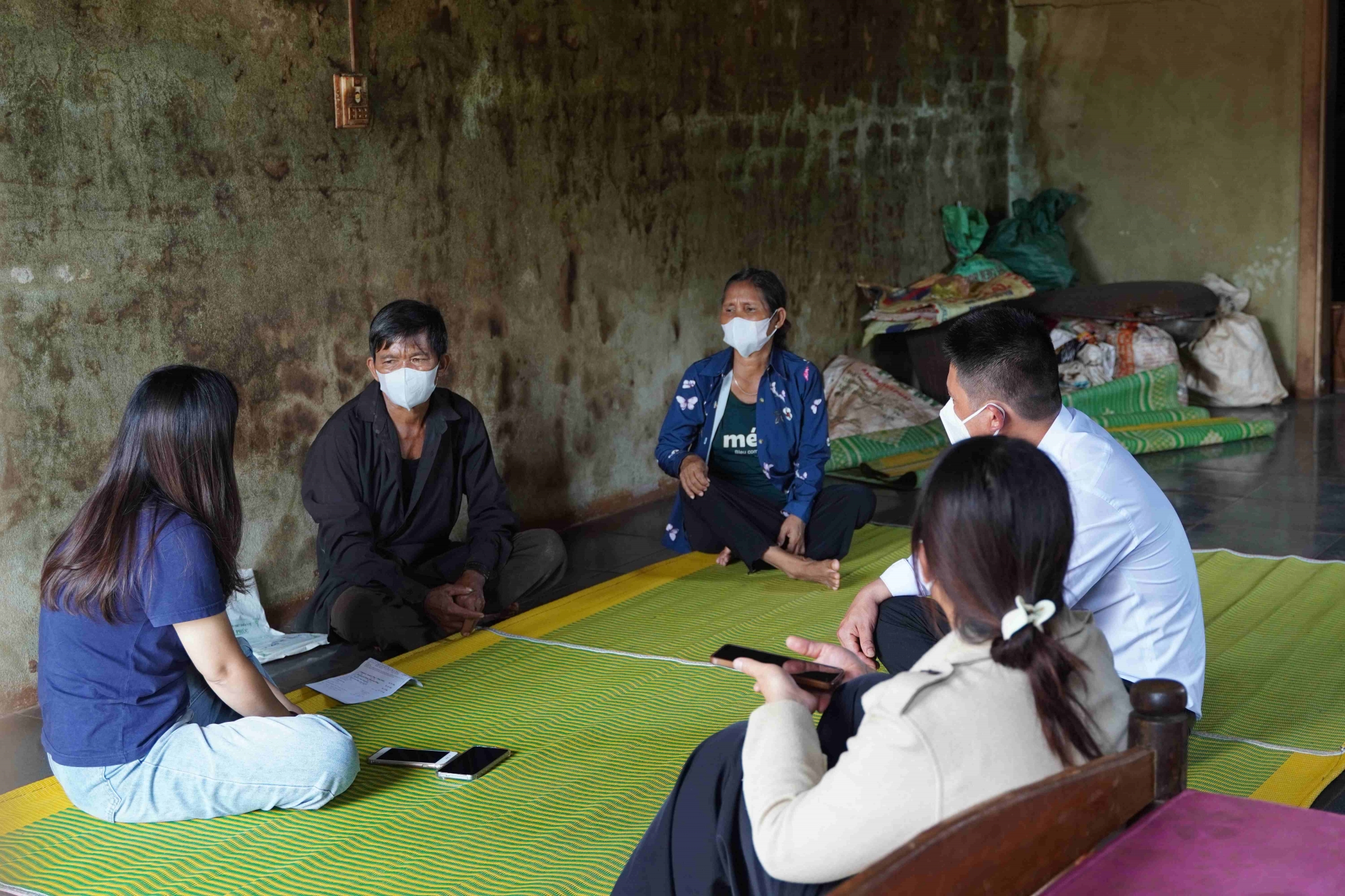
Beyond visiting patients, Thao also organizes small-group sessions to share information about TB with local residents. These sessions help people better understand the disease and reduce stigma toward those affected by it. To make the information accessible, she explains medical concepts in simple, everyday language. In communities where ethnic minority residents are not fluent in Vietnamese, she also seeks help from trusted local interpreters so that everyone can understand the information being shared.
Among the people she has supported, Thao particularly remembers one man with TB who lived alone in a small shelter on a farm. He had reached a point where he felt so overwhelmed that he wanted to give up treatment. When Thao first visited him, he was severely underweight, lying in bed and barely able to speak, let alone walk. His eyes reflected a deep sense of hopelessness. Thao continued visiting him despite the difficult journey, helping him understand each dose of medication and calling regularly to encourage him.
Asked what keeps her committed to such demanding work, Thao said her greatest wish is for everyone with TB in her commune to be diagnosed early and complete treatment, so that no one has to suffer unnecessarily or be left without support.
The dedication of CSET members like Thao provides an important source of support for people affected by TB and their families. By helping patients continue treatment and sharing accurate information with their communities, they also contribute to more effective TB prevention and control efforts at the local level.