TB treatment is a demanding journey. It requires months of perseverance, strict adherence to the prescribed regimen, and taking medication every day. For L.C.P., 64, who lives in Vu Bon Commune, Dak Lak Province, that challenge came three times in just four years.
In 2022, after coughing up blood, L.C.P. was taken by his family to Krong Pac Medical Center, where he was diagnosed with TB and began an eight-month course of treatment. In 2024, the disease returned, and he underwent another six months of treatment. Just when it seemed the worst was behind him, the coughing and bleeding returned in early 2026. This time, he was diagnosed with drug-resistant TB. After facing the disease repeatedly, both his physical health and emotional well-being had taken a toll.
Drug-resistant TB occurs when TB bacteria develop resistance to one or more medicines used to treat the disease, making standard treatments less effective or ineffective. Depending on a patient’s condition and the prescribed regimen, treatment can last several months and requires consistent medication use and regular follow-up visits. Newer regimens, such as BPaLM/BPaL, can shorten treatment to around six months for eligible patients. Even so, staying on treatment remains challenging, particularly for those whose health has deteriorated and who face difficulties managing everyday life.
During the early stages of his latest treatment, L.C.P.’s health declined noticeably. He was frequently exhausted, making it difficult to get around and carry out daily activities. His wife and the son living with him also had health problems, while most of his other children had moved away for work and could not be there to care for him regularly. For much of the time, he had to manage daily life on his own.
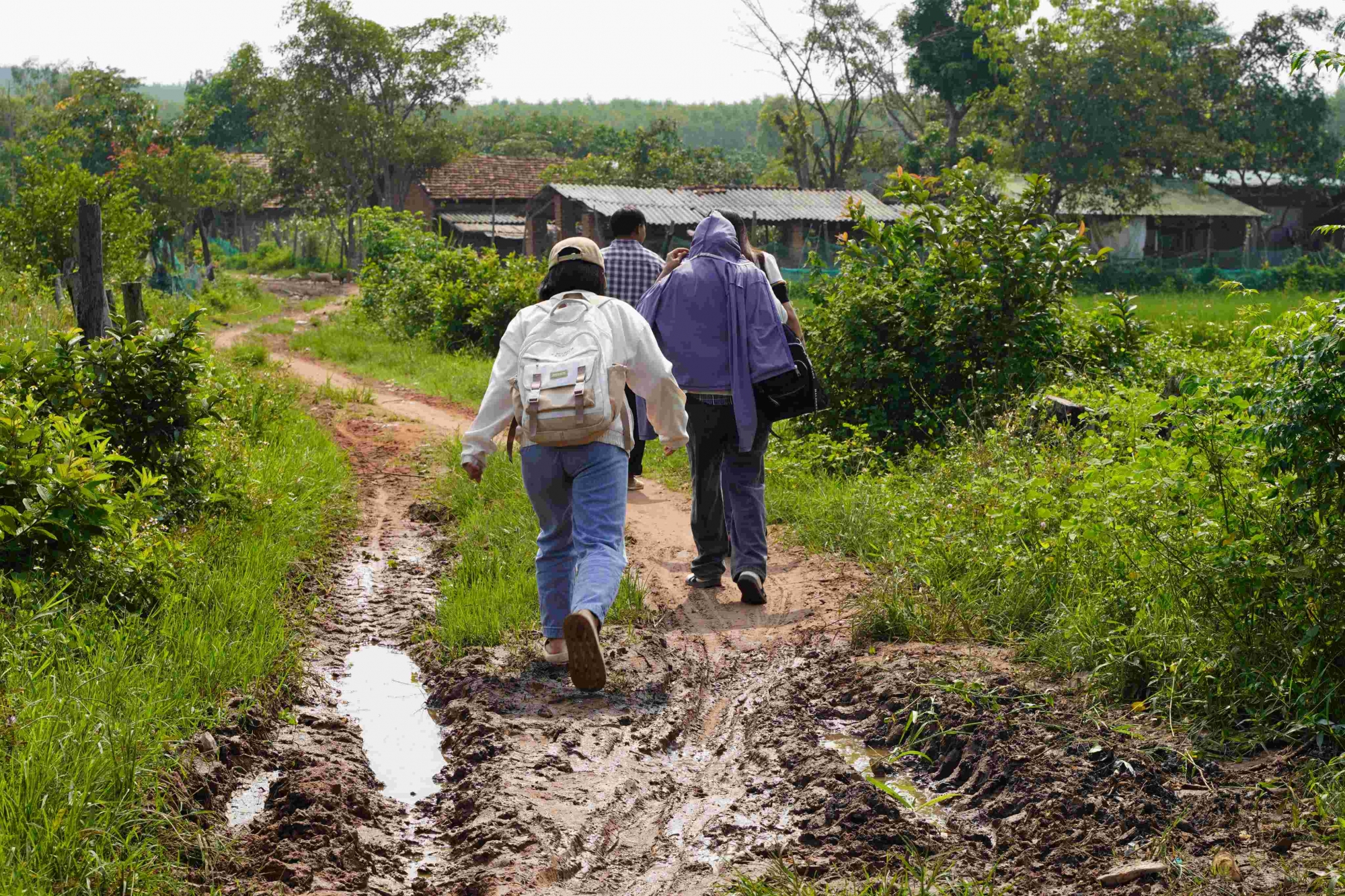
Every month, L.C.P. must travel more than 60 kilometers from home to Dak Lak Provincial Lung Hospital for follow-up appointments. As a Hmong man who cannot speak or read Vietnamese, he also needs a family member to accompany him and interpret during each visit. Despite having health insurance, his family must cover transportation costs themselves.
The family has no agricultural land or stable source of income. Their only income comes from raising a few buffalo and selling them when they need money to cover living expenses. Keeping up with daily medication while coping with fatigue, long journeys to the hospital, and dependence on others for transportation has made treatment even more difficult.
Having gone through two previous courses of treatment, L.C.P. knew he still had a long road ahead. At times, exhausted and discouraged, he even considered stopping treatment.
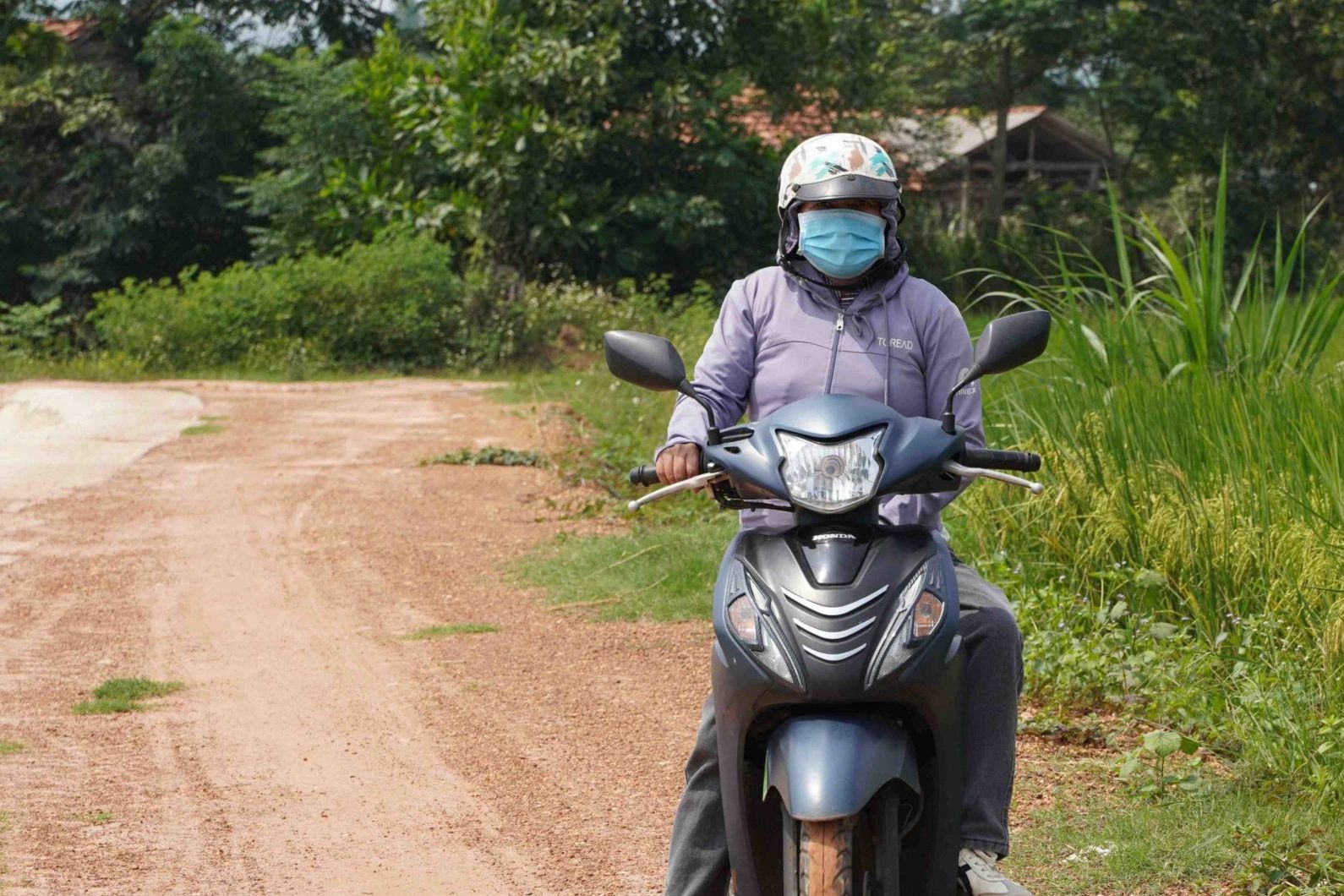
When local health workers learned about his circumstances, they connected his case with Thao, a member of the Community System to End TB (CSET) supporting people in Vu Bon Commune. Thao visited L.C.P. at home, checked on his well-being, and encouraged him to continue treatment.
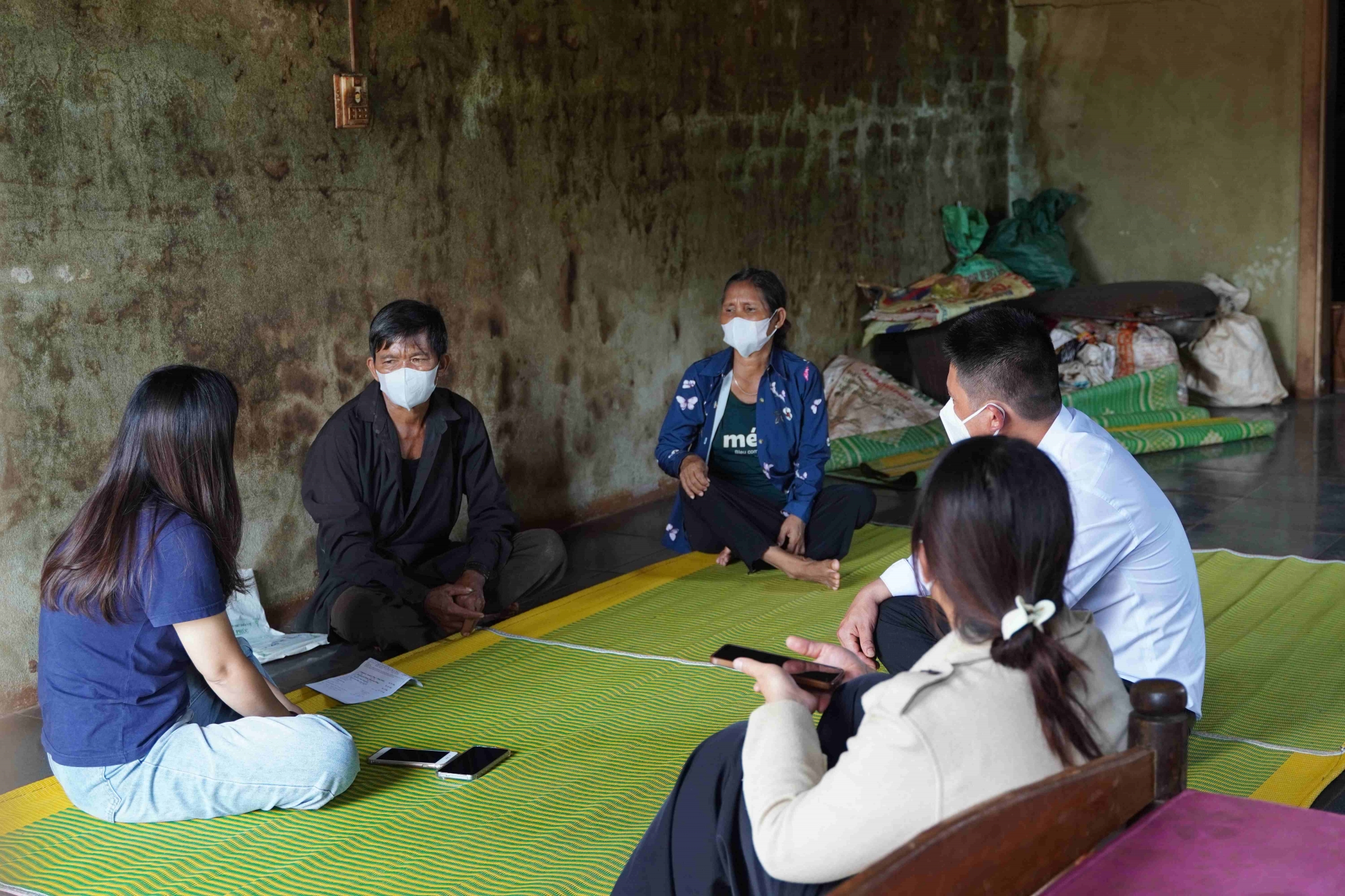
Beyond visiting the family, Thao also organized small-group awareness sessions with relatives and neighbors to share information about TB symptoms and the importance of early detection and timely treatment. These gatherings provided opportunities to address questions and concerns about the disease while helping reduce stigma toward people affected by TB in the community.
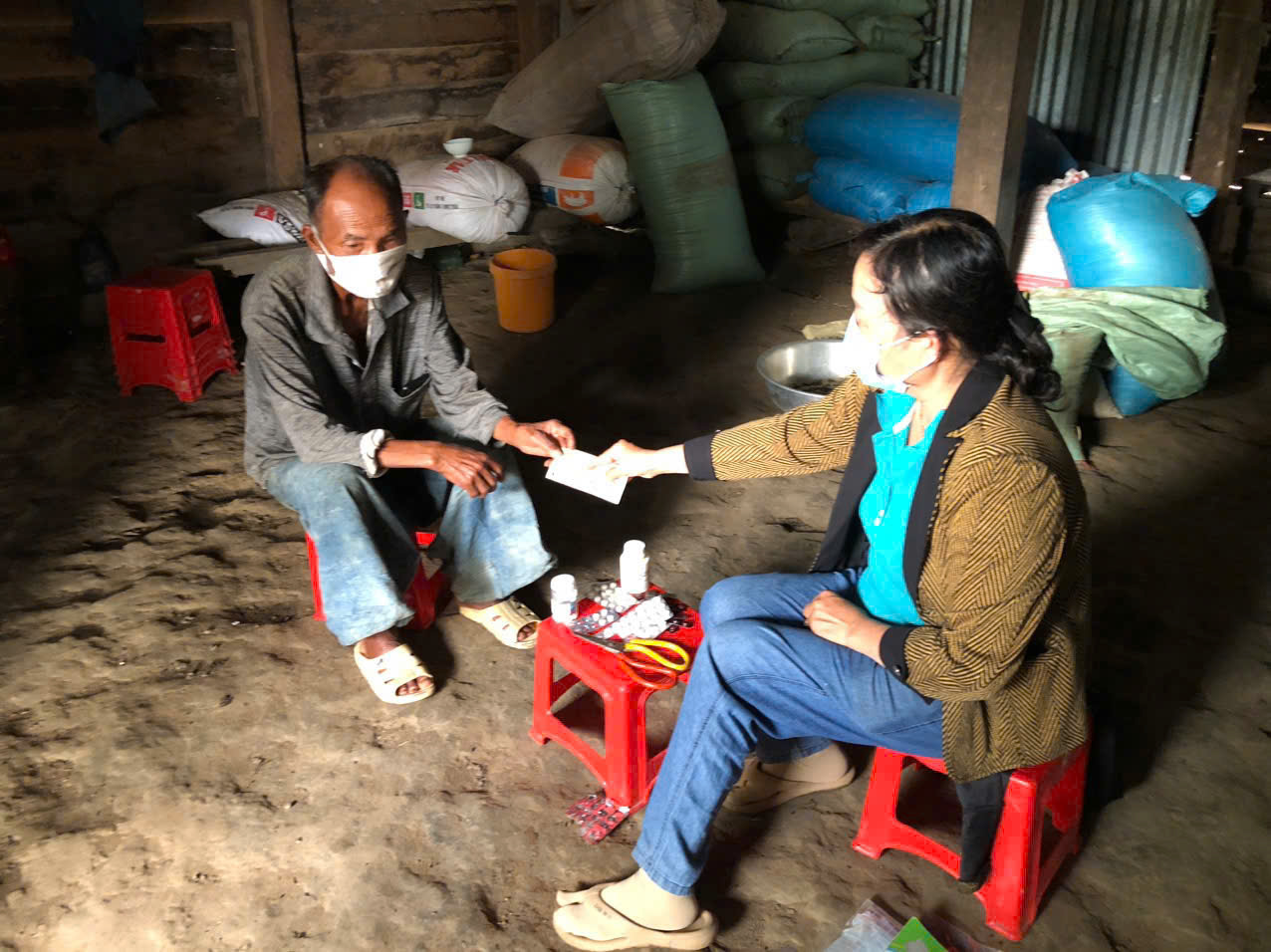
Thao visits P. to check up on him and deliver financial support
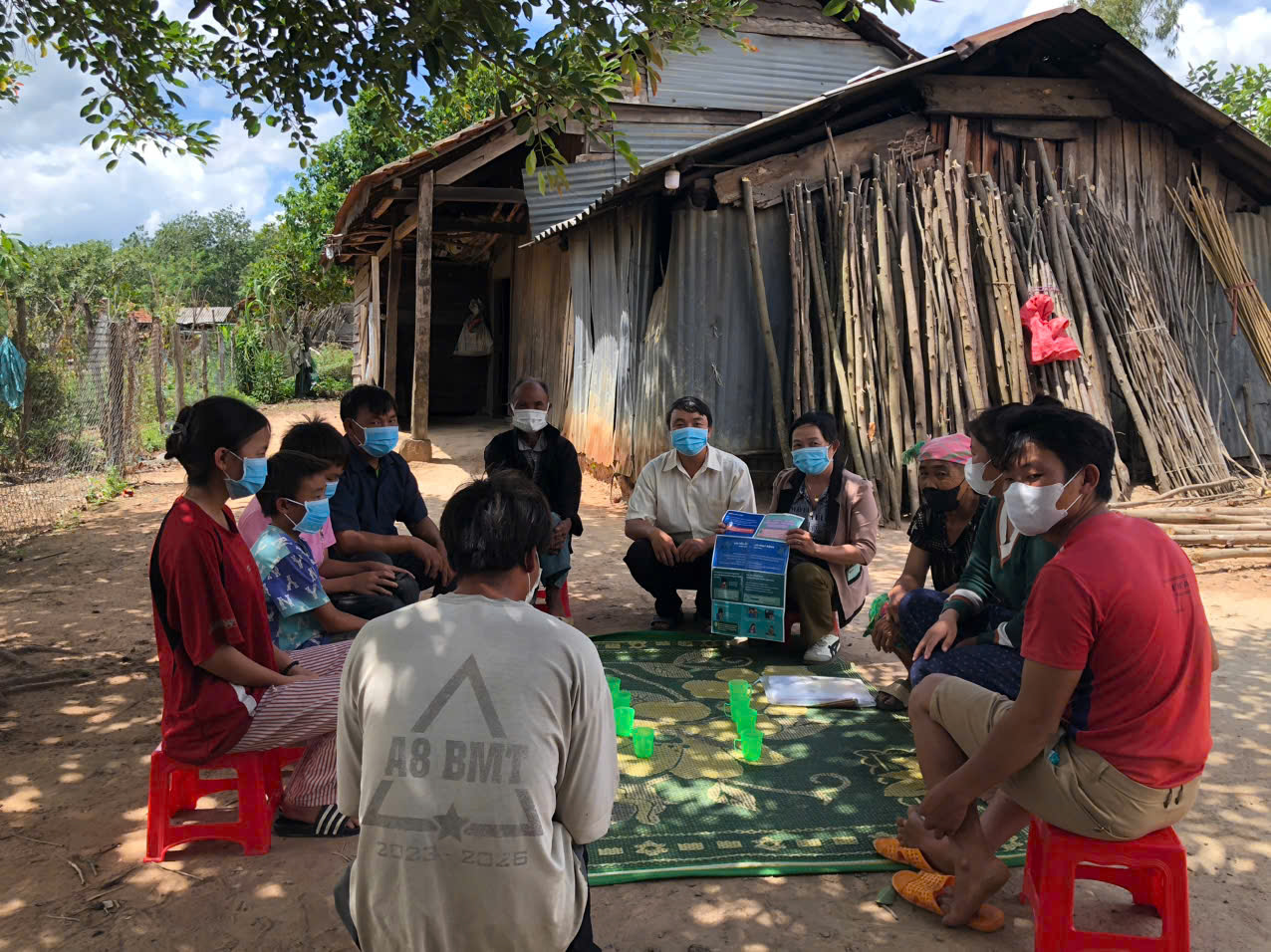
A group communication session about TB held at P.'s house, with the participation of his neighbors
Over time, Thao’s visits and conversations helped ease L.C.P.’s worries. Where he had once considered giving up, he gradually found renewed motivation to take his medication consistently. He wanted to complete treatment, protect his health, and be there for his children and grandchildren.
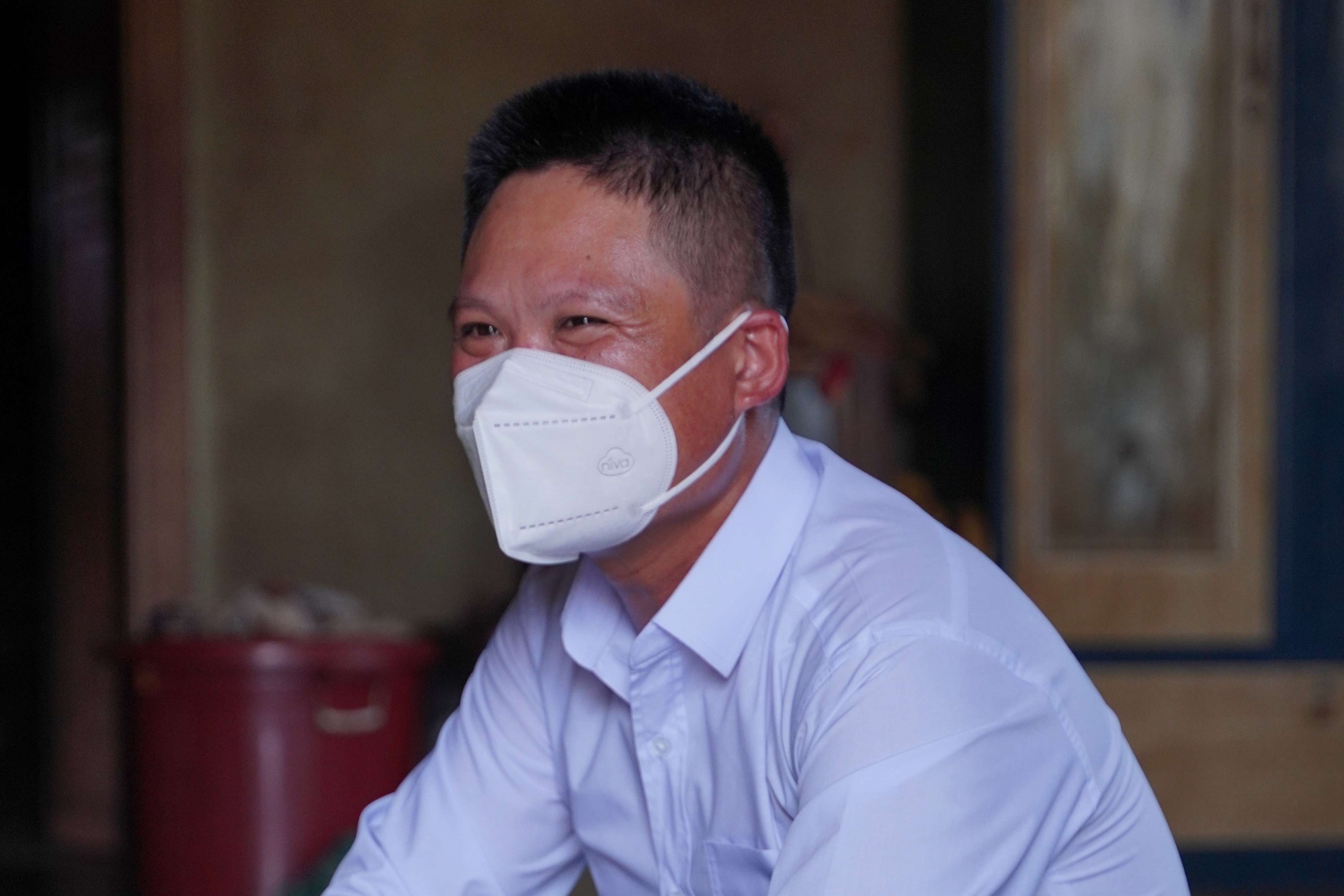
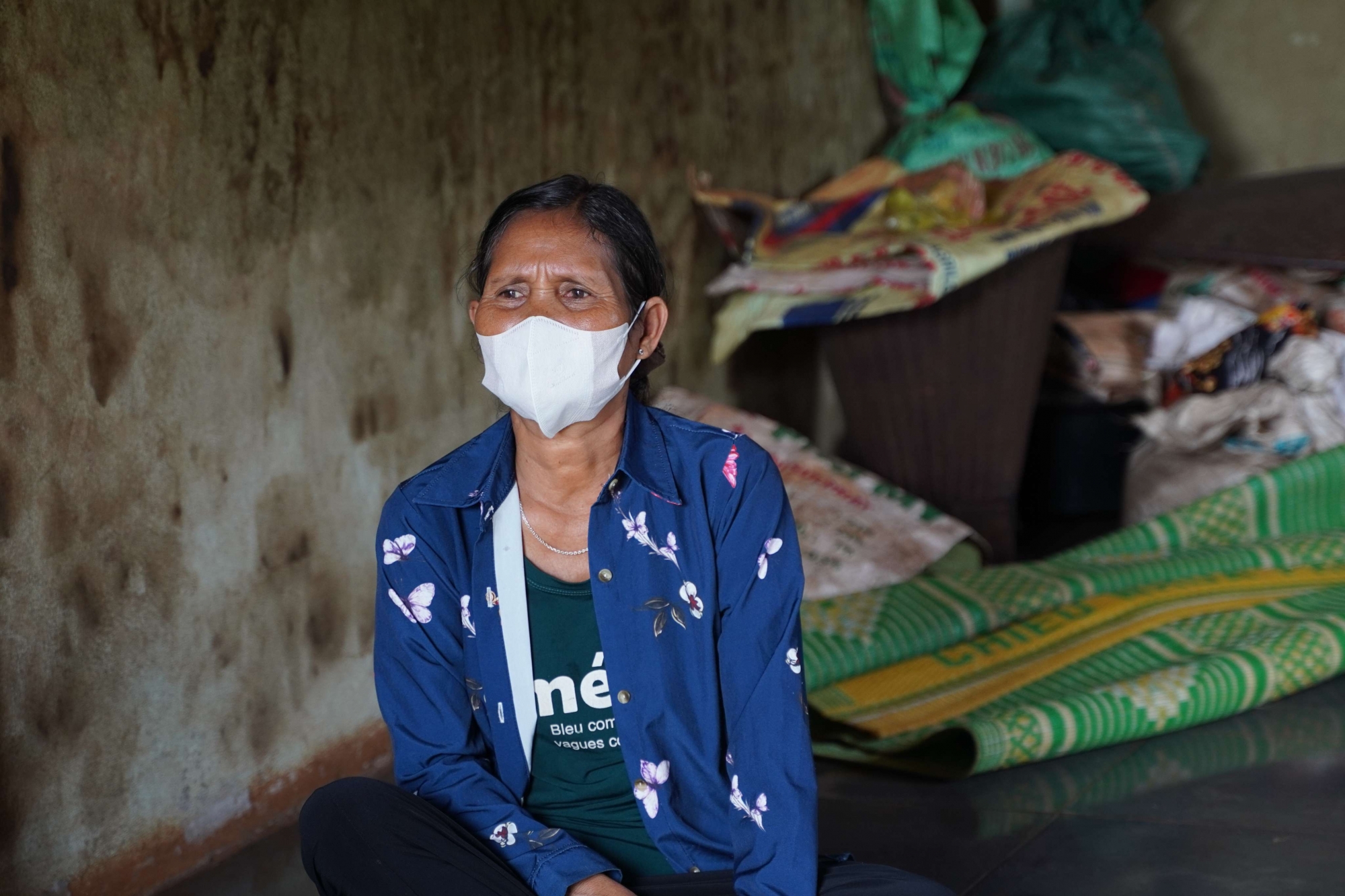
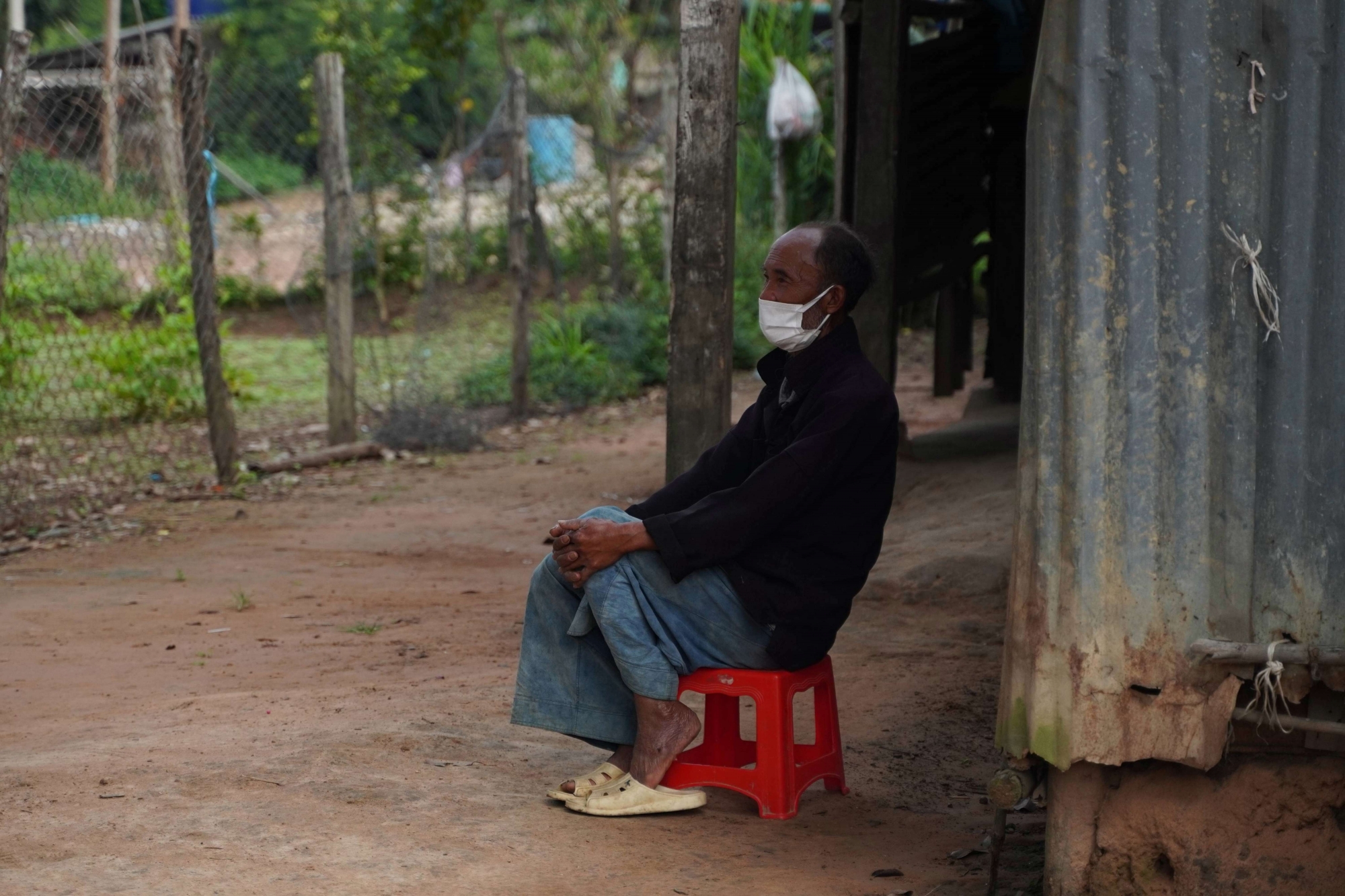
When we visited him in mid-September, the 64-year-old had made noticeable progress after more than seven months of persistent treatment. He was moving around more easily and had regained the ability to manage his daily activities independently. Though he could not express much in words due to the language barrier, we could see from his expressions how happy he was with the progress and having people by his side during treatment.
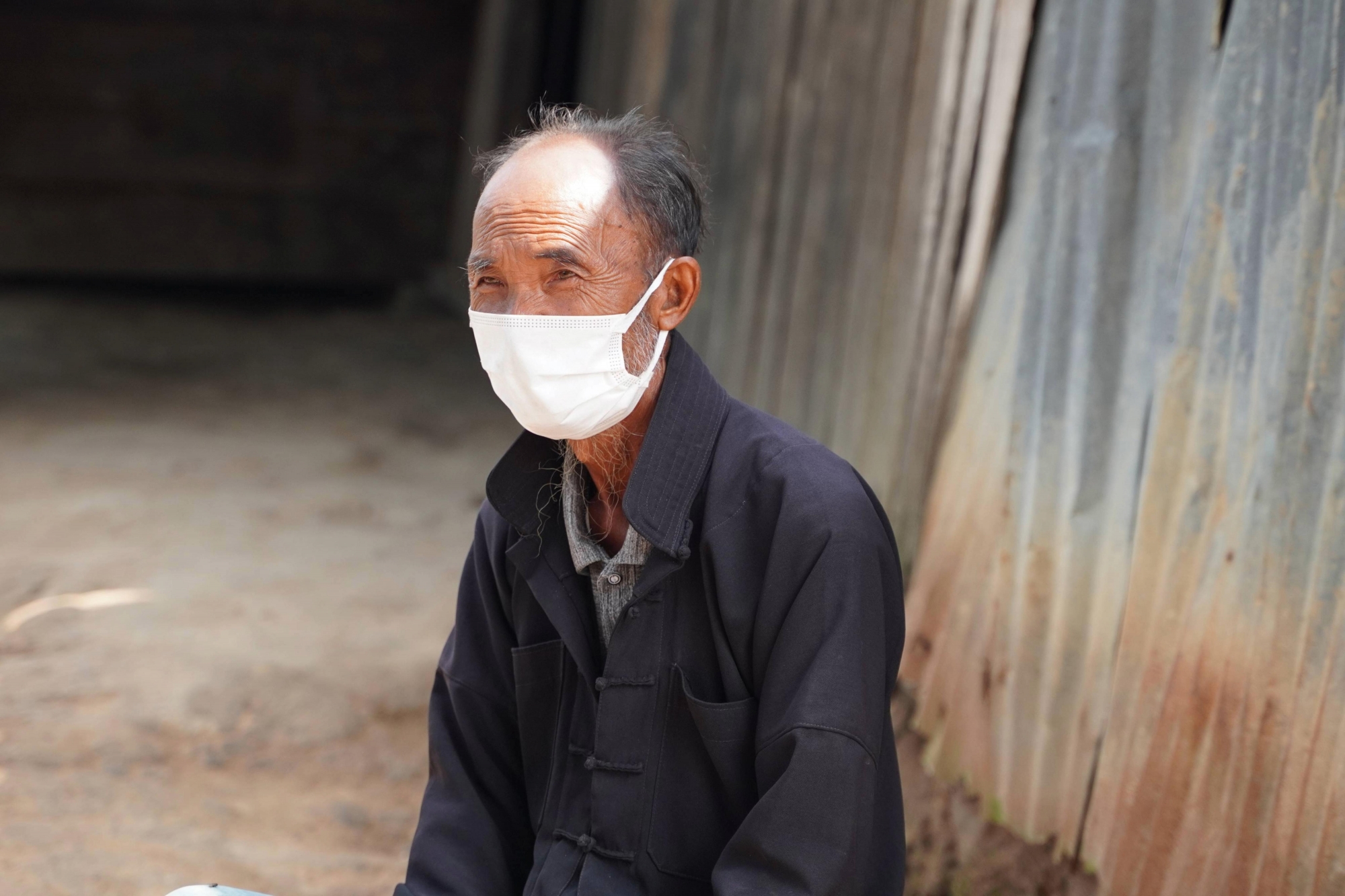
After 7 months of treatment, P. has shown visible progress
His treatment journey is not over. But he now has someone to lean on as he takes the next steps. With continued treatment and support, he is moving closer to completing this difficult chapter.