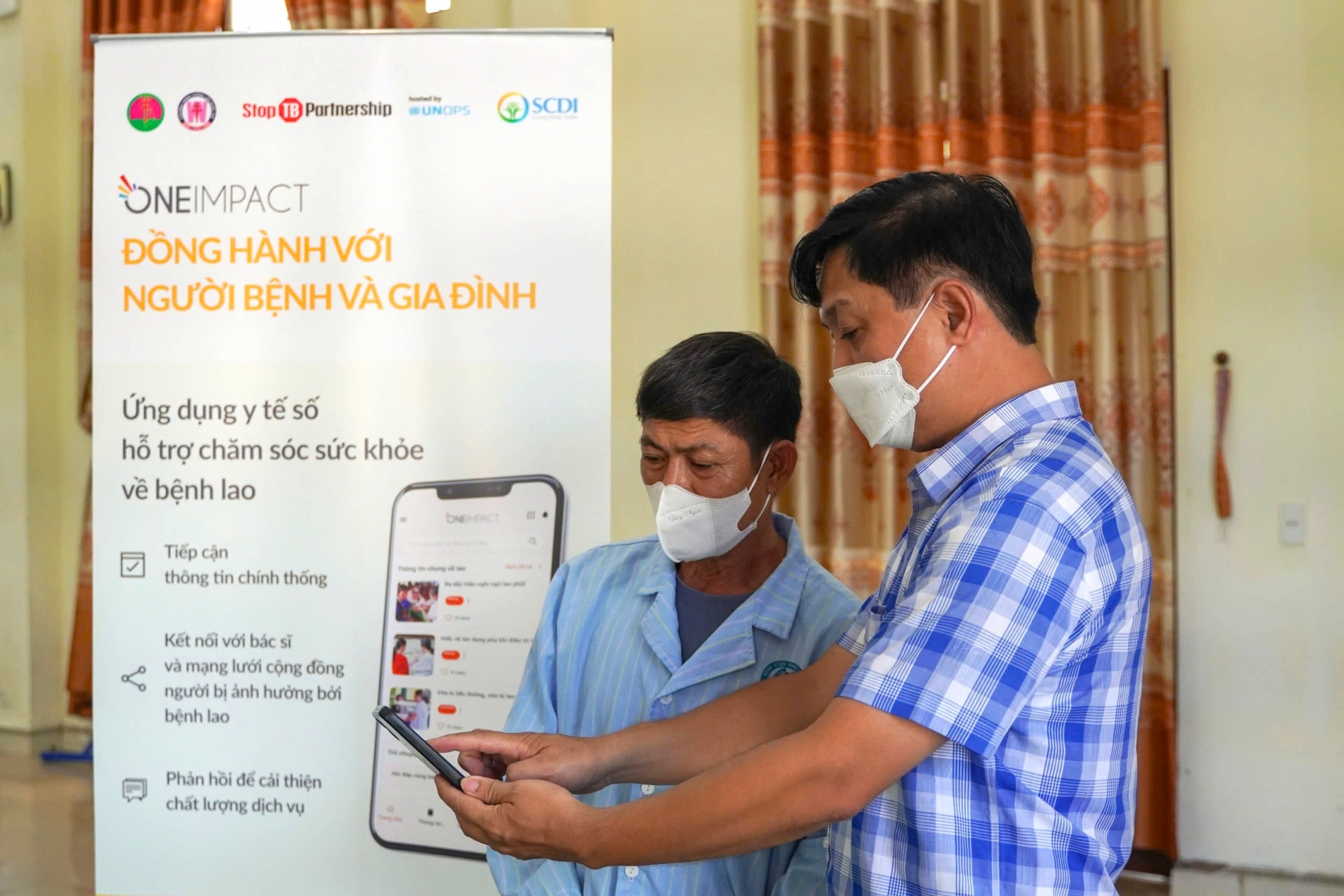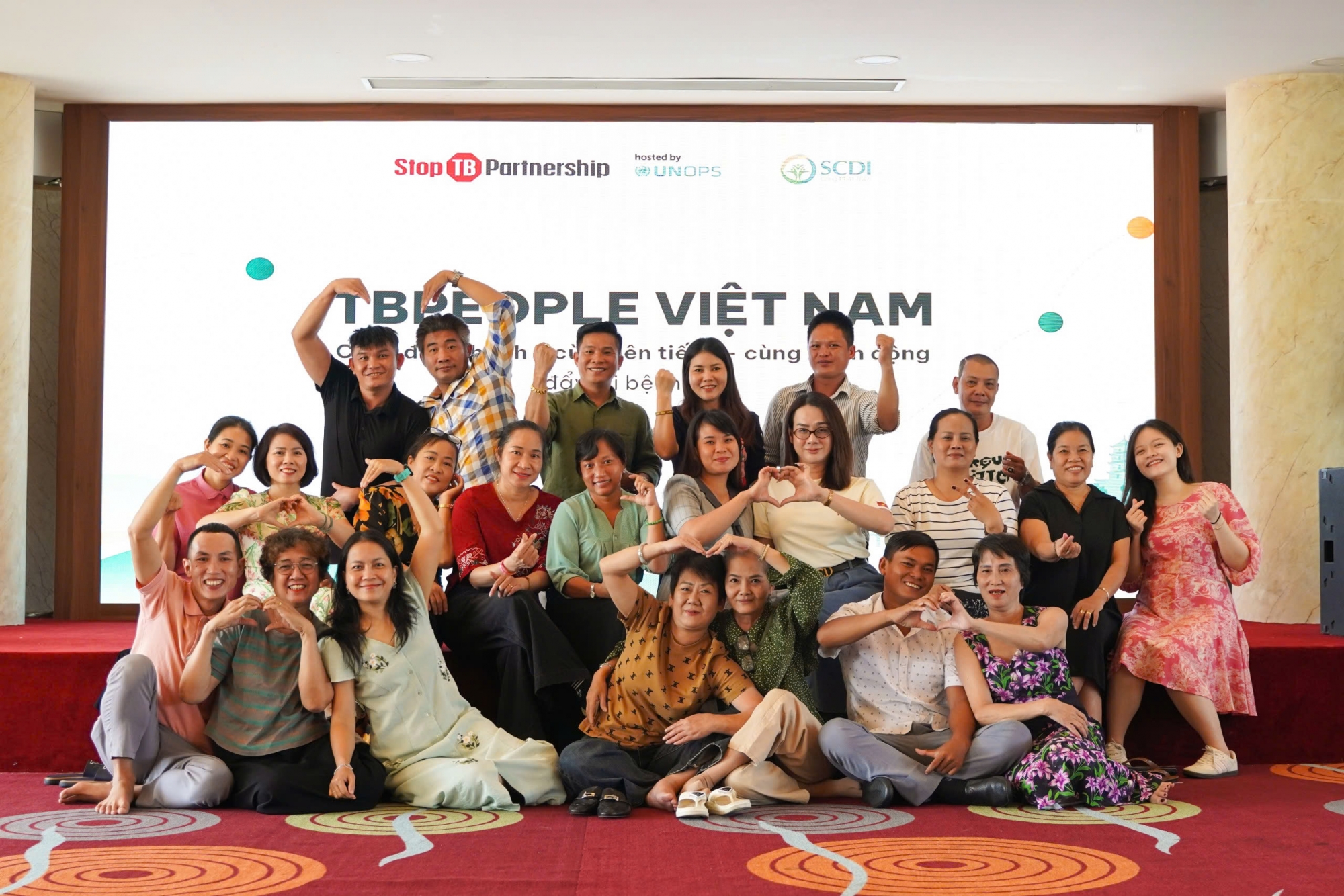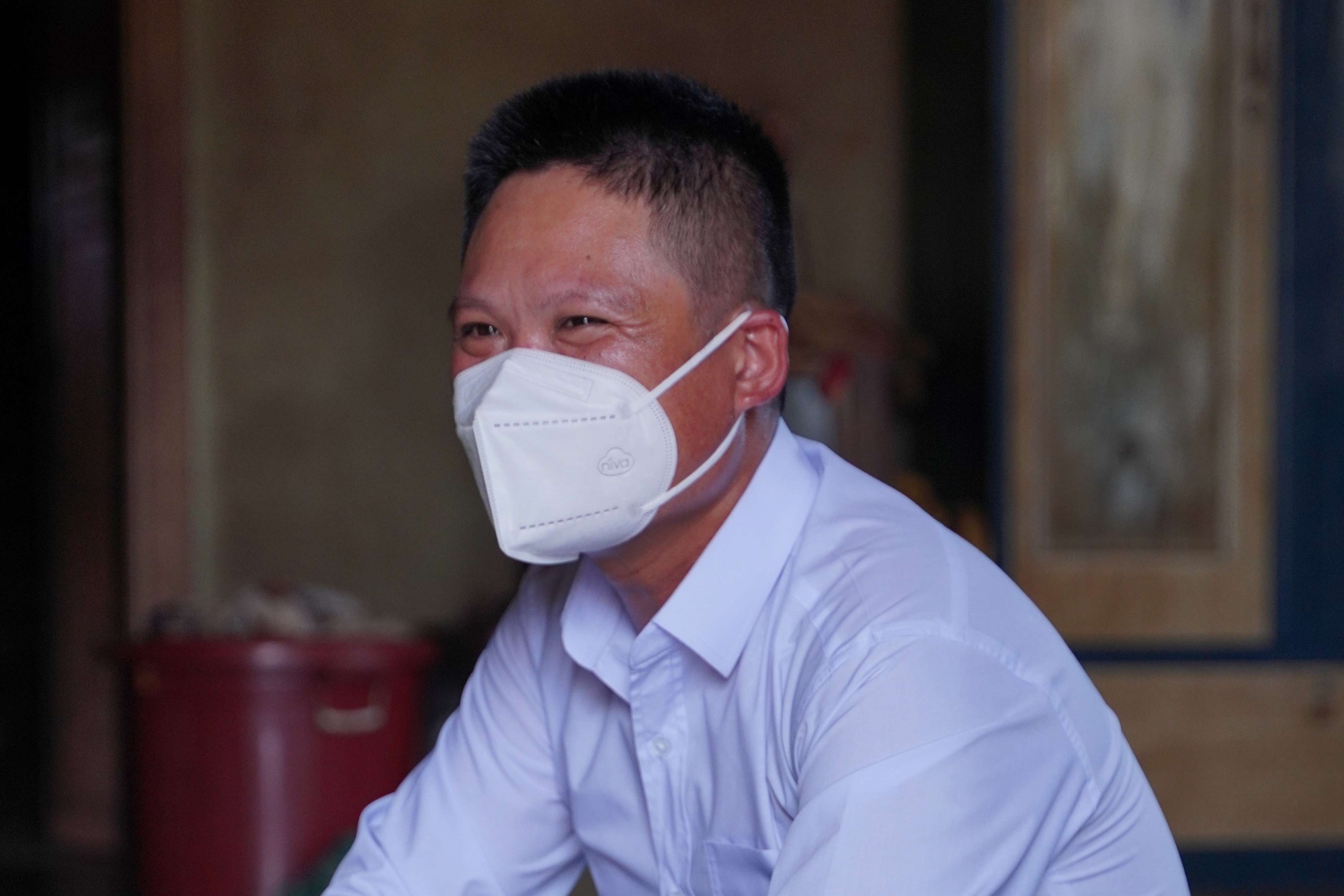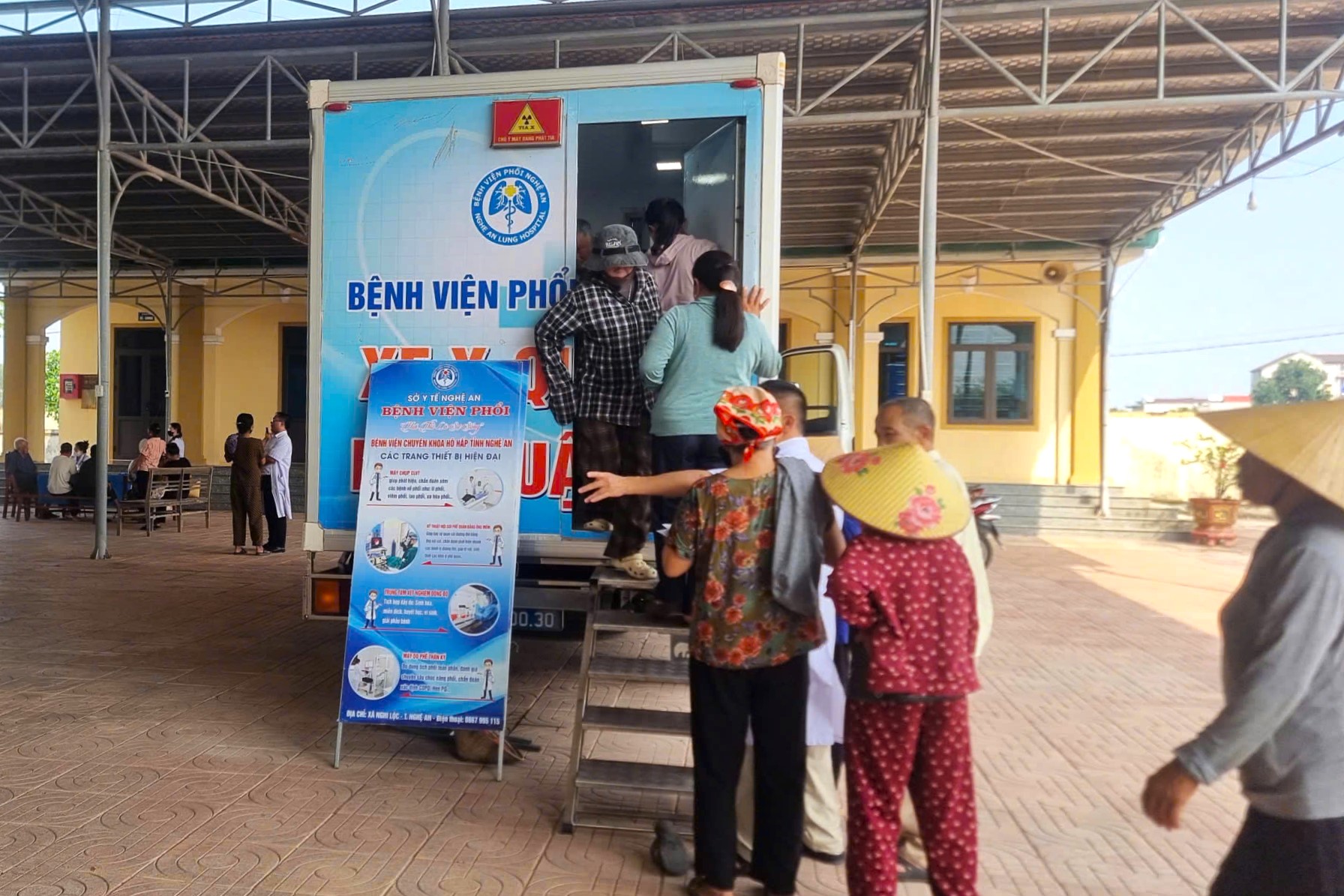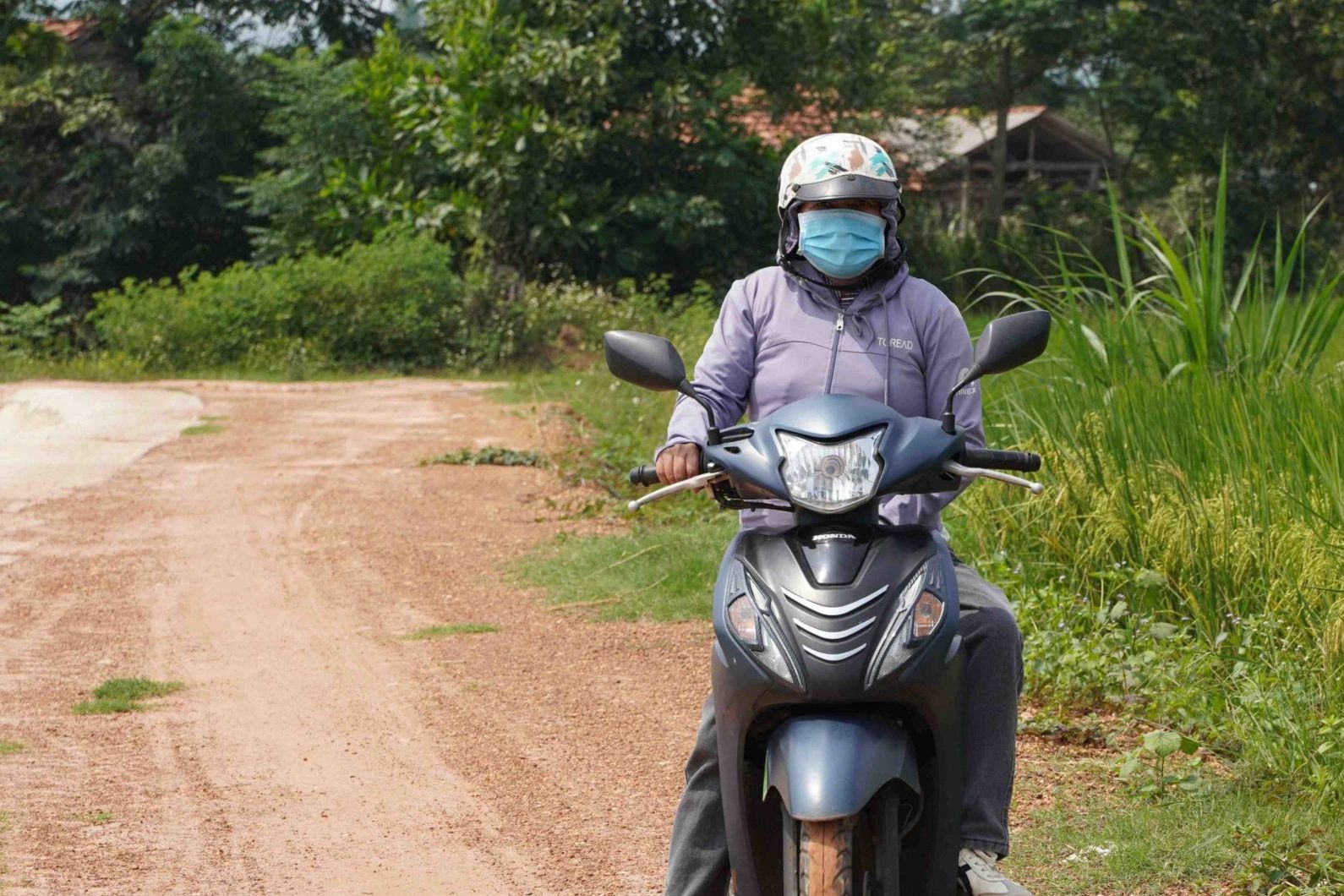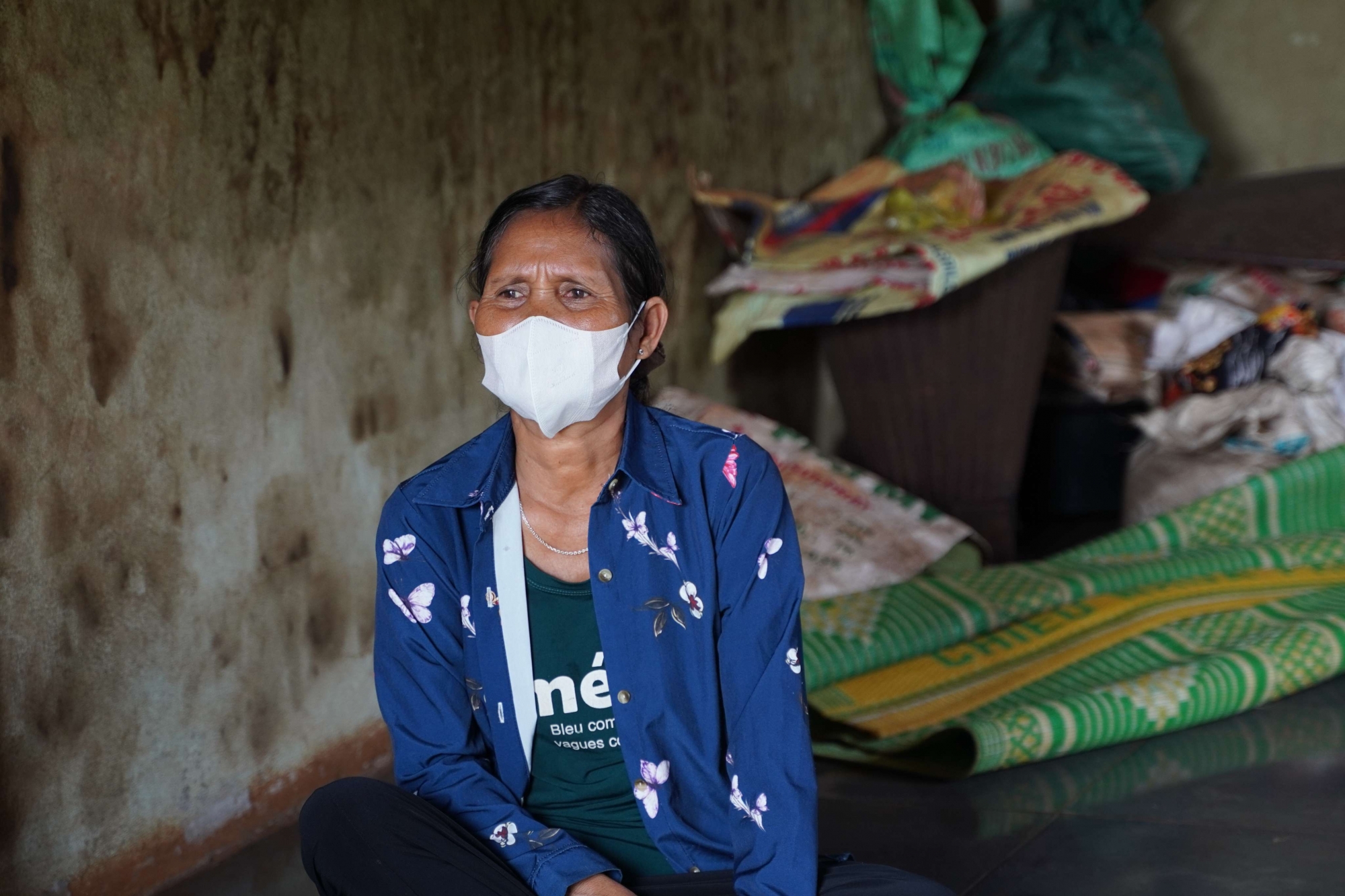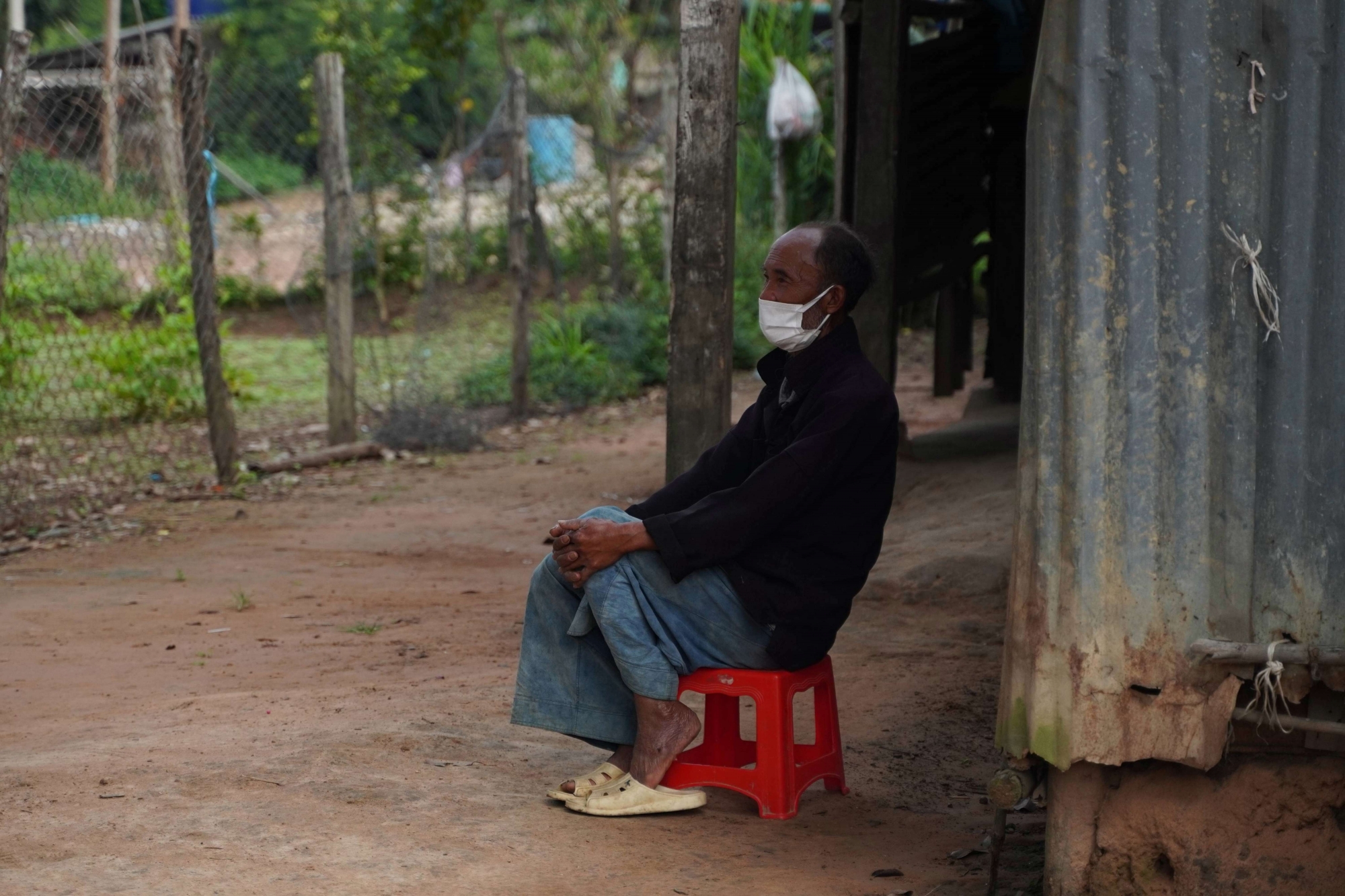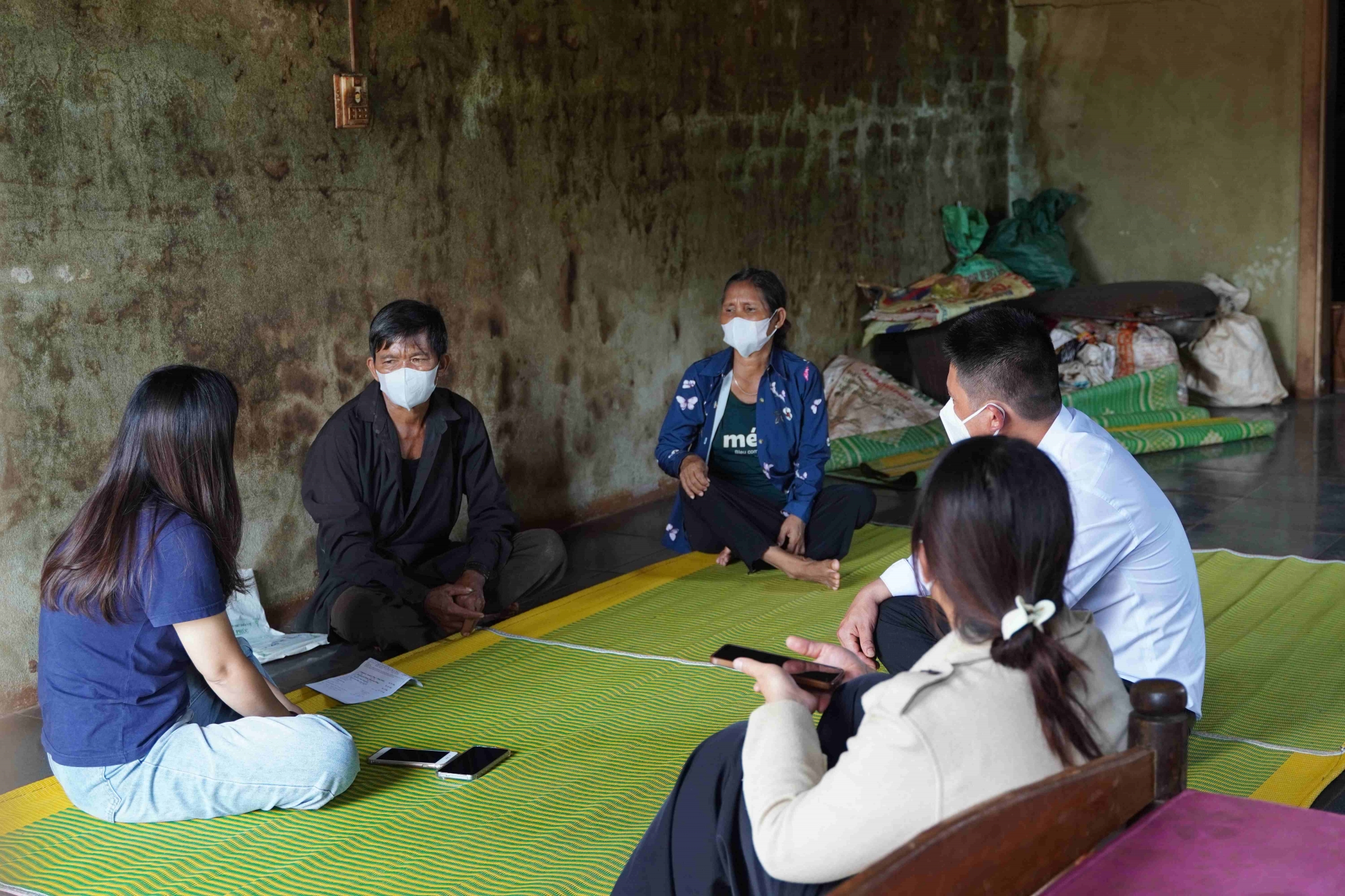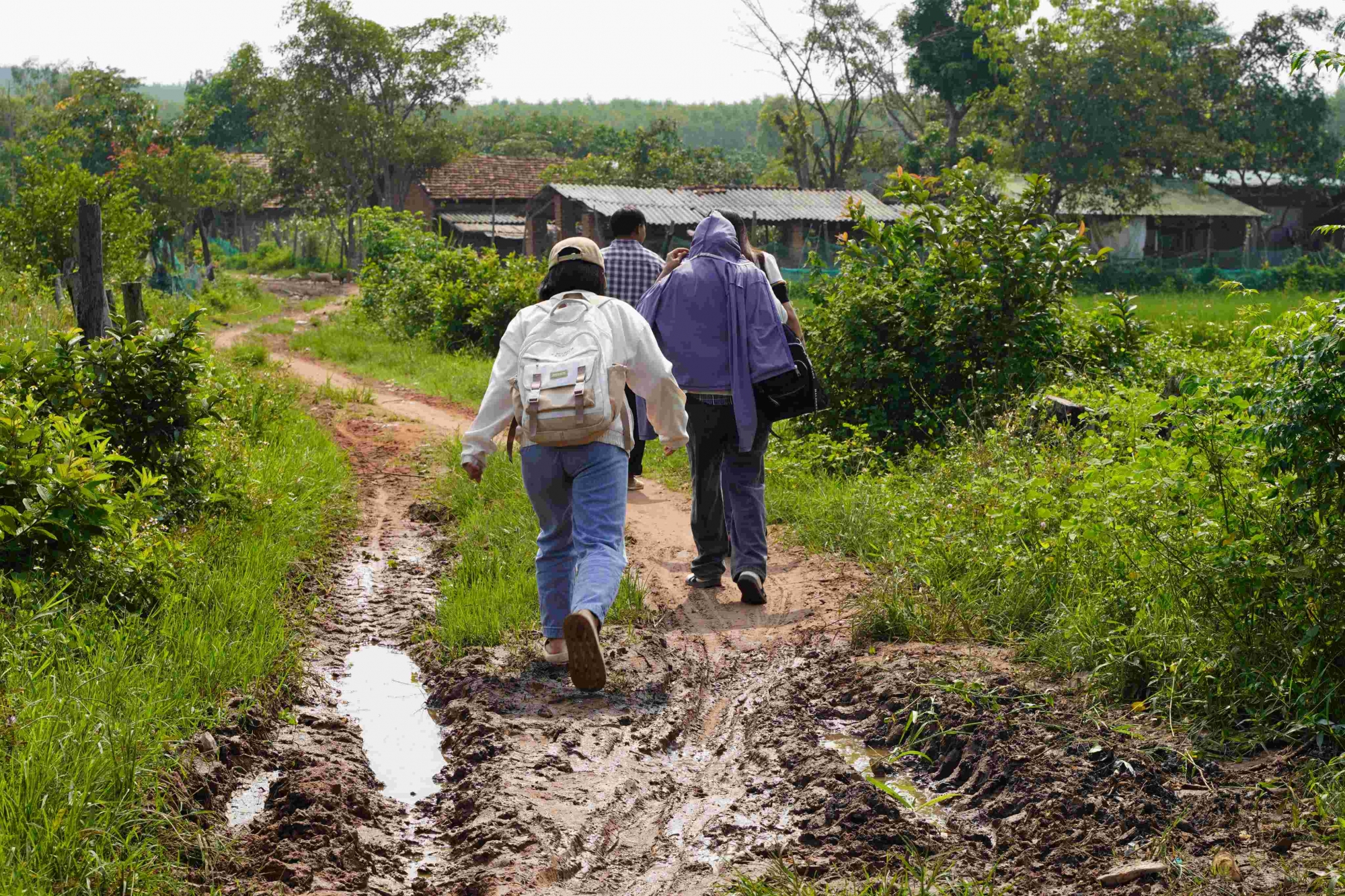
Photo: CSET members in Dak Lak on their way to visit a TB patient in Vu Bon commune
Diagnosing TB and starting treatment are only the first steps. Completing treatment can be just as challenging, requiring people to take medication every day for several months while managing the effects of the disease and other difficulties in their daily lives.
Each person affected by TB faces different challenges. For some, staying on treatment means coping with financial hardship, while others may struggle with fear, stigma, or discrimination from those around them. These challenges can make it harder to follow a treatment regimen and complete treatment as prescribed.
This is where members of the Community System to End TB (CSET) come in. Working closely with people affected by TB, they help connect them to health services and provide support throughout treatment. They also share information about TB with local communities and help address misconceptions and stigma surrounding the disease.
CSET is an initiative launched by the Supporting Community Development Initiatives (SCDI). The network brings together community members across several provinces who have experience supporting local communities and receive specialized training to assist people affected by TB. Their work includes providing health information, offering emotional support, and connecting patients with healthcare services. Through these efforts, CSET aims to help communities affected by TB access quality care and contribute to ending TB in Vietnam.
In Dak Lak, CSET members work to improve access to TB screening, diagnosis, and treatment, particularly for vulnerable communities and people at higher risk who face barriers to healthcare. This includes ethnic minority communities living in remote areas. In close collaboration with local health authorities, CSET helps bring screening services and treatment information closer to people in their villages.
A key part of CSET’s work is supporting people throughout treatment. Members regularly visit patients, check on their progress, encourage them to take medication as prescribed, explain how to manage side effects, and remind them of follow-up appointments.
They also share practical information with patients and their families about nutrition and preventing TB transmission at home. Through small-group awareness sessions in local communities, CSET members help people recognize TB symptoms and understand when to seek medical attention. These conversations also give community members an opportunity to ask questions, address misconceptions, and better understand the experiences of people affected by TB.
Financial difficulties can also make it harder to complete treatment. To help ease this burden, CSET members connect patients with available resources, including financial support for health insurance and nutritional assistance. They also relay patients’ concerns and difficulties to local health authorities, helping identify ways to address barriers to care and improve the services available to them.
By providing ongoing support and helping people access the services they need, CSET contributes to local TB prevention and control efforts. Its work helps address some of the practical barriers that prevent people from accessing care and completing treatment.
In this series, we share the stories of Duong Thi Thao and Ly Tien Dung, two CSET members in Dak Lak. Through their experiences, we look at how community members support people affected by TB and contribute to local efforts to prevent and control the disease.
(To be continued)
Read more:
- Part 2: Duong Thi Thao's story
- Part 3: Ly Tien Dung's story