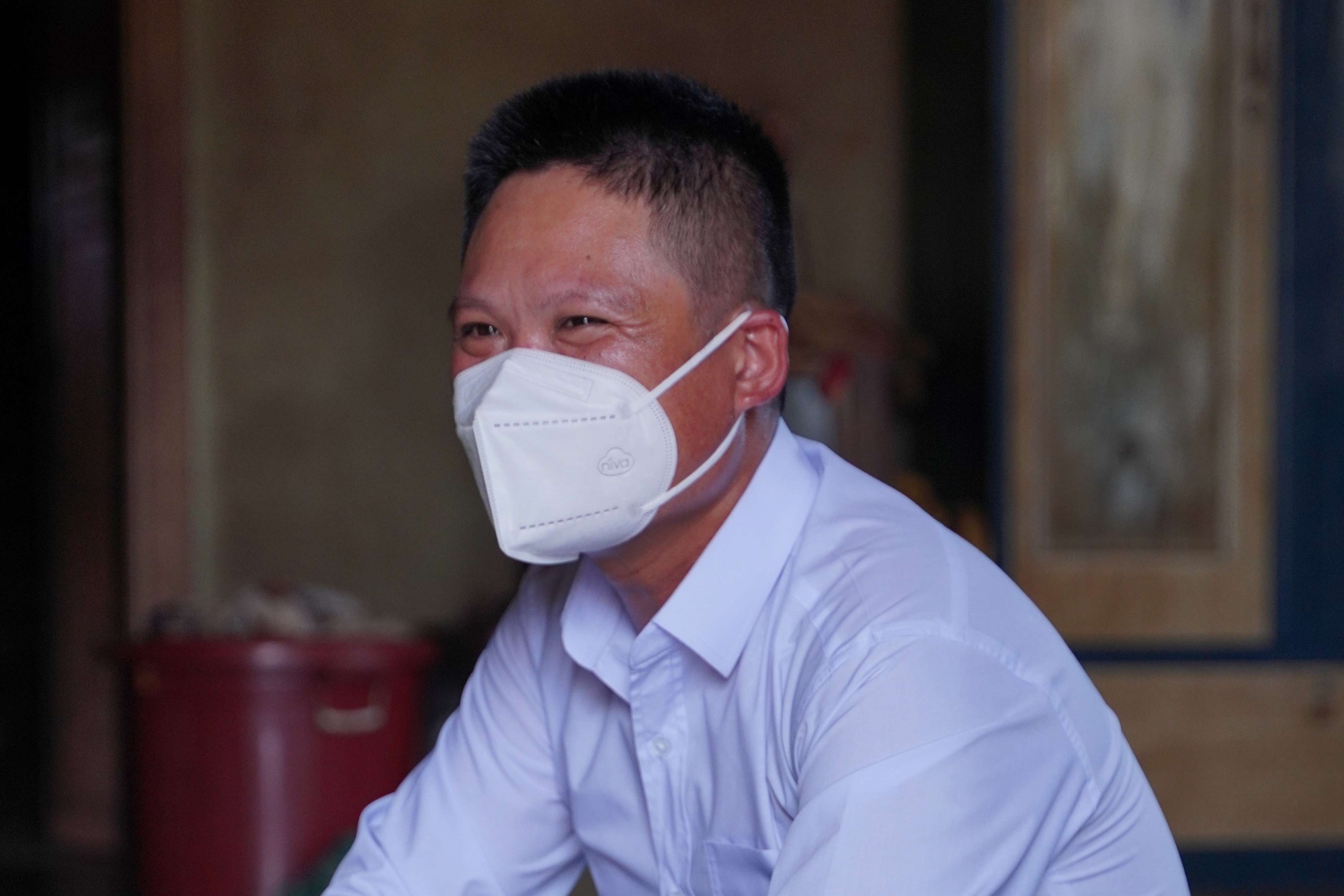
After actively contributing to the Community Malaria Action Team (CMAT) in Dak Lak, Ly Tien Dung joined the Community System to End TB (CSET) in 2024, continuing his work to support local communities. For him, the decision came naturally, shaped by what he had witnessed while working with people in his community.
The experience and knowledge Tien Dung gained through CMAT gave him a solid foundation for his work with people affected by TB. However, like other CSET members in the area, he soon encountered a major challenge: language barriers. Many patients from ethnic minority communities could neither speak nor read Vietnamese, making it difficult to explain medical information and encourage them to follow their treatment regimens.
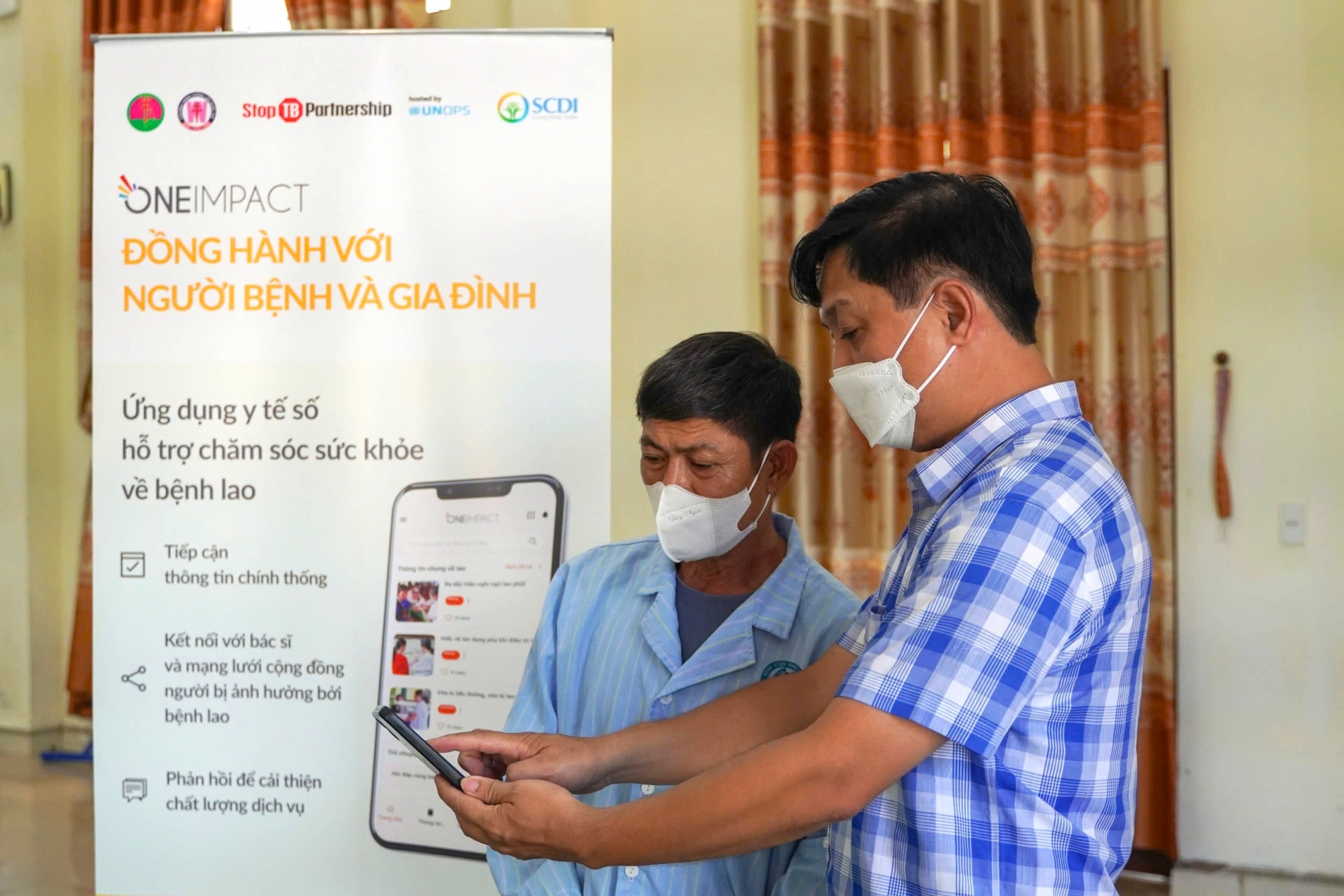
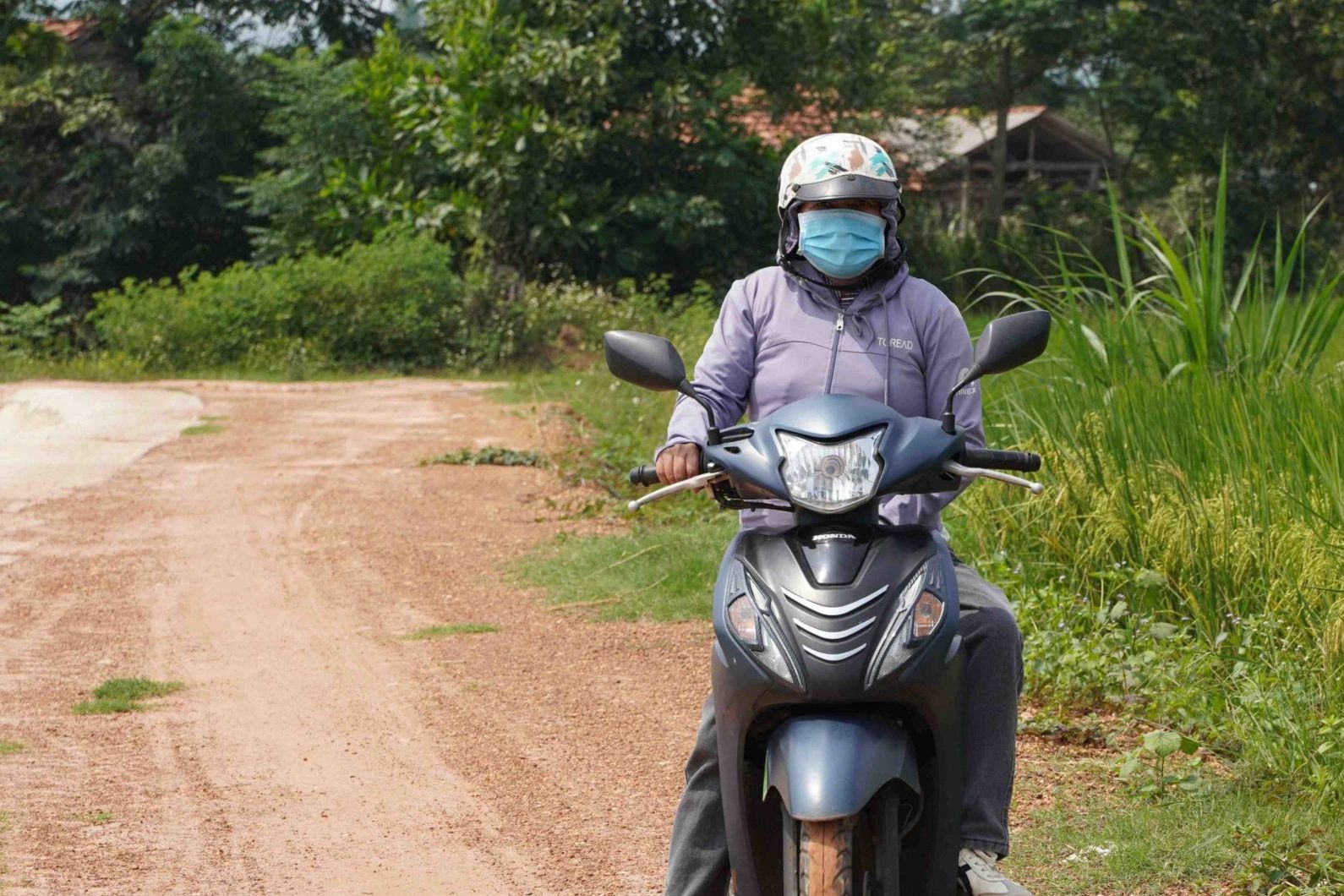
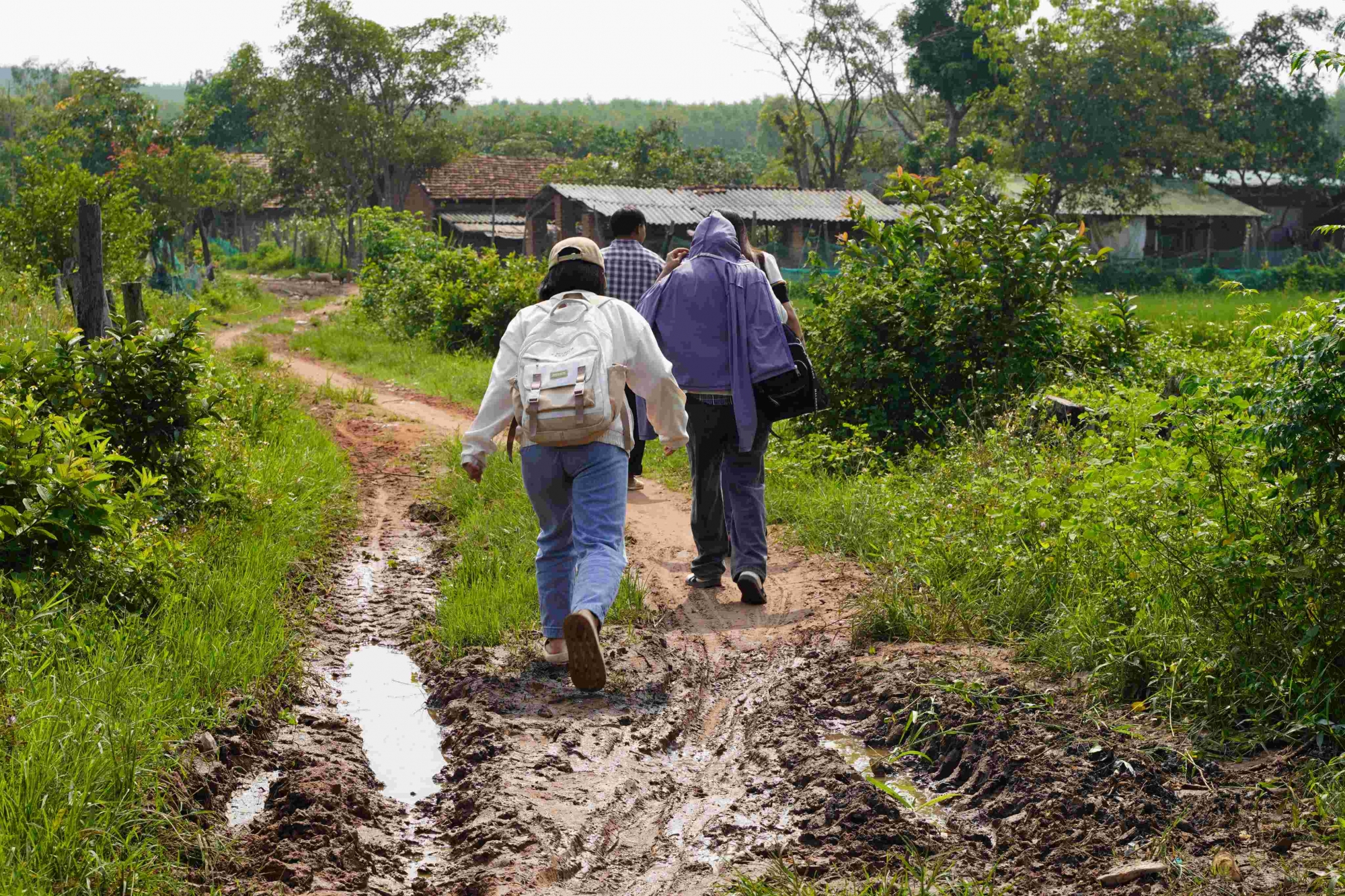
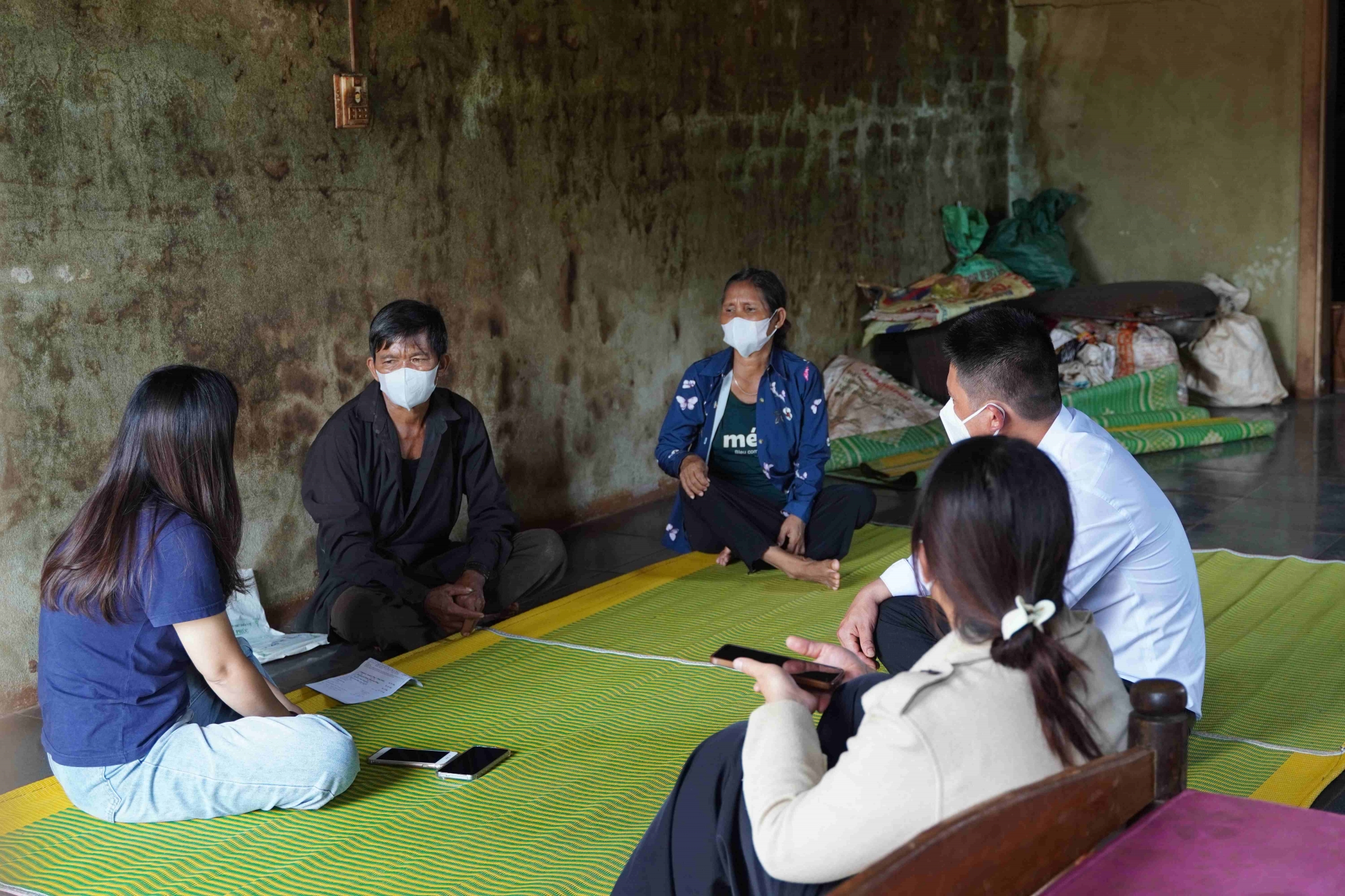
To address this, Tien Dung and his CSET colleagues worked to build connections within the community. He established close relationships with village health workers in each village. During home visits and small-group information sessions, he would work alongside them, relying on their help to translate information into local languages. Through these trusted local connections, patients and their families could better understand TB symptoms, how to prevent transmission, and why it was important to take medication on time.
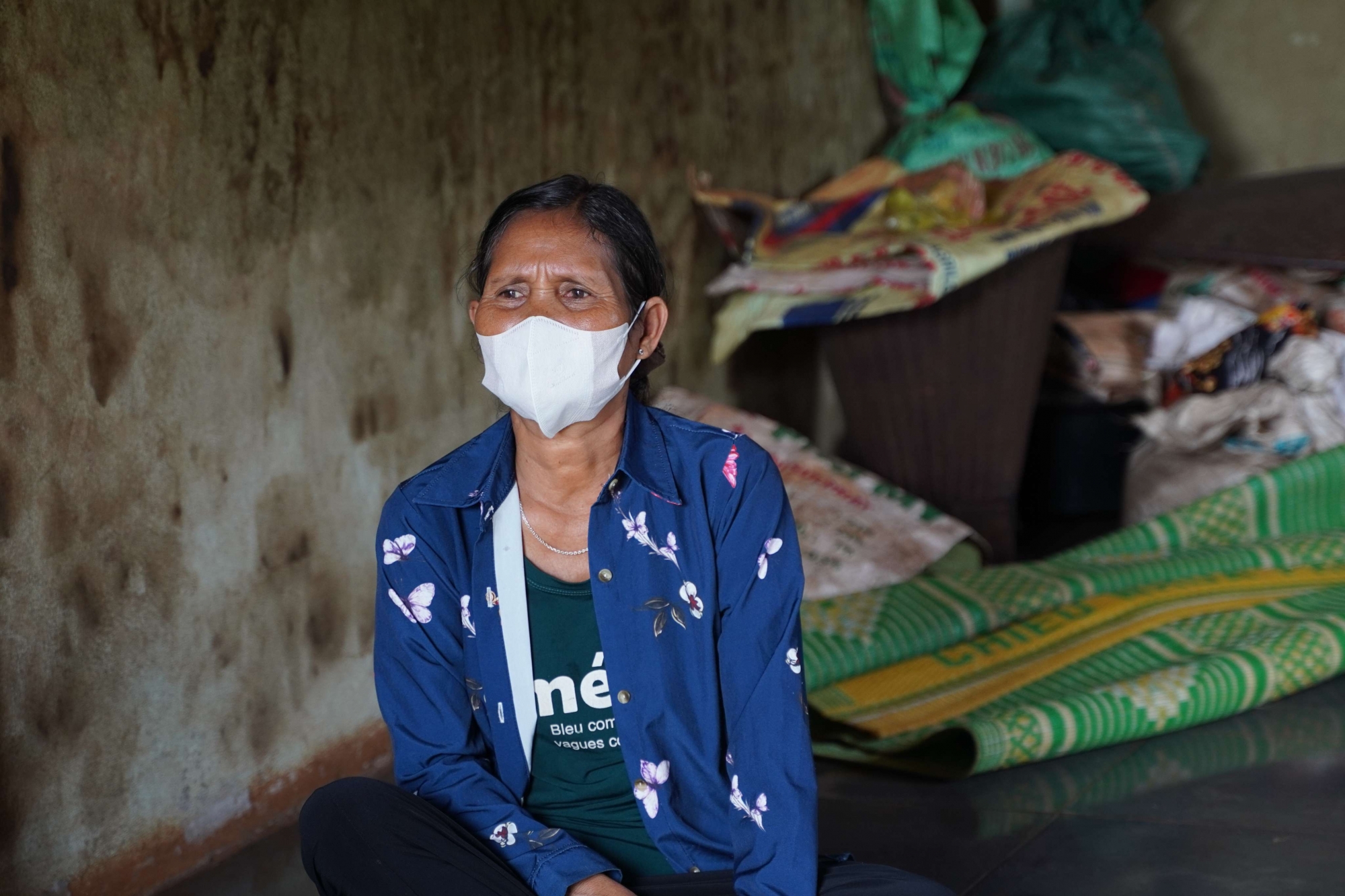
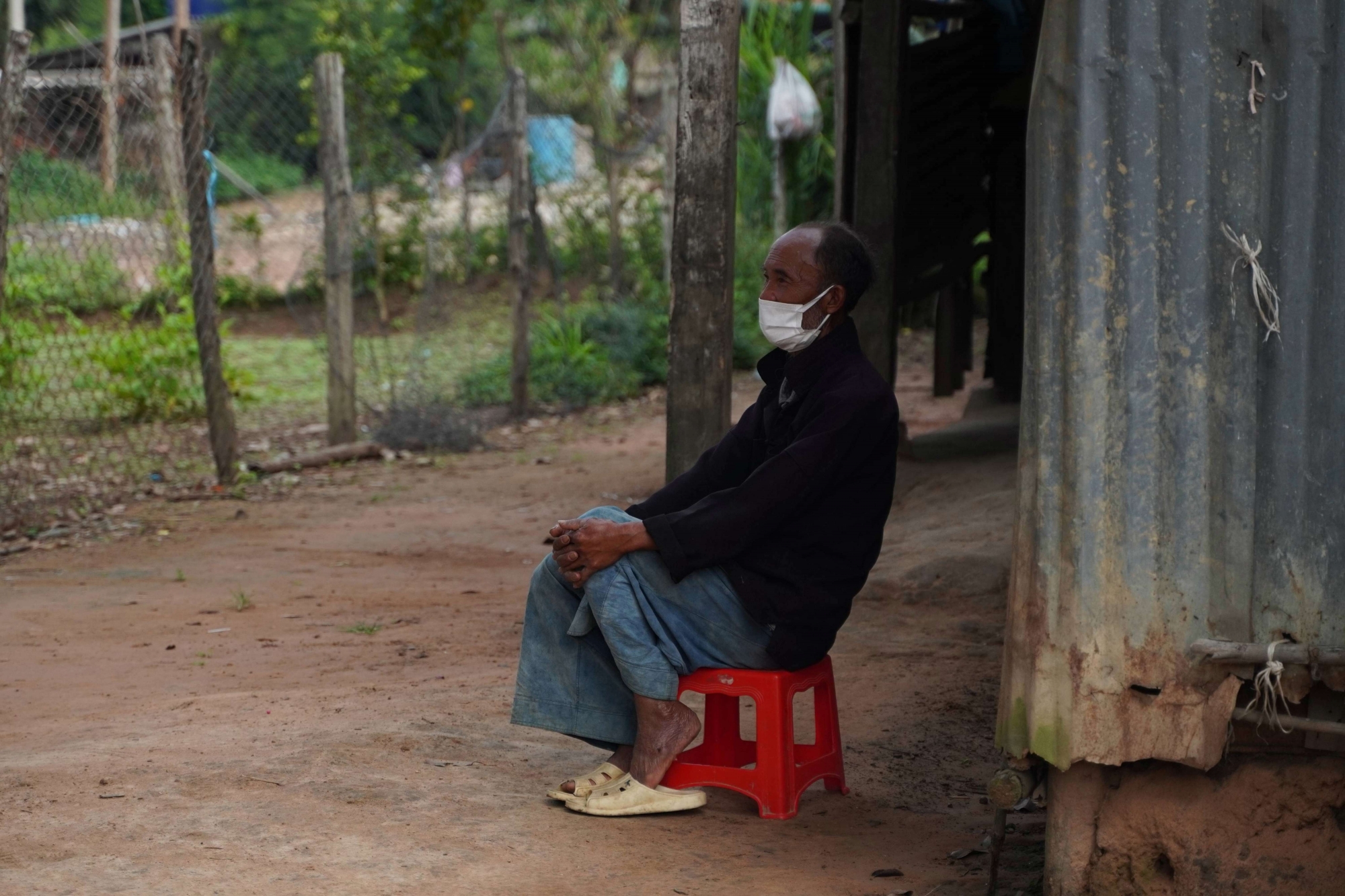
Yet helping patients stay on treatment was only part of the challenge. Economic hardship and difficult living conditions could make treatment even more demanding. In many families, the illness of the main breadwinner pushed household finances to the brink. Although residents in Ea Hiao commune, where Tien Dung works, receive full subsidies for health insurance, transportation and food costs, along with inadequate nutrition, remain significant barriers for many patients.
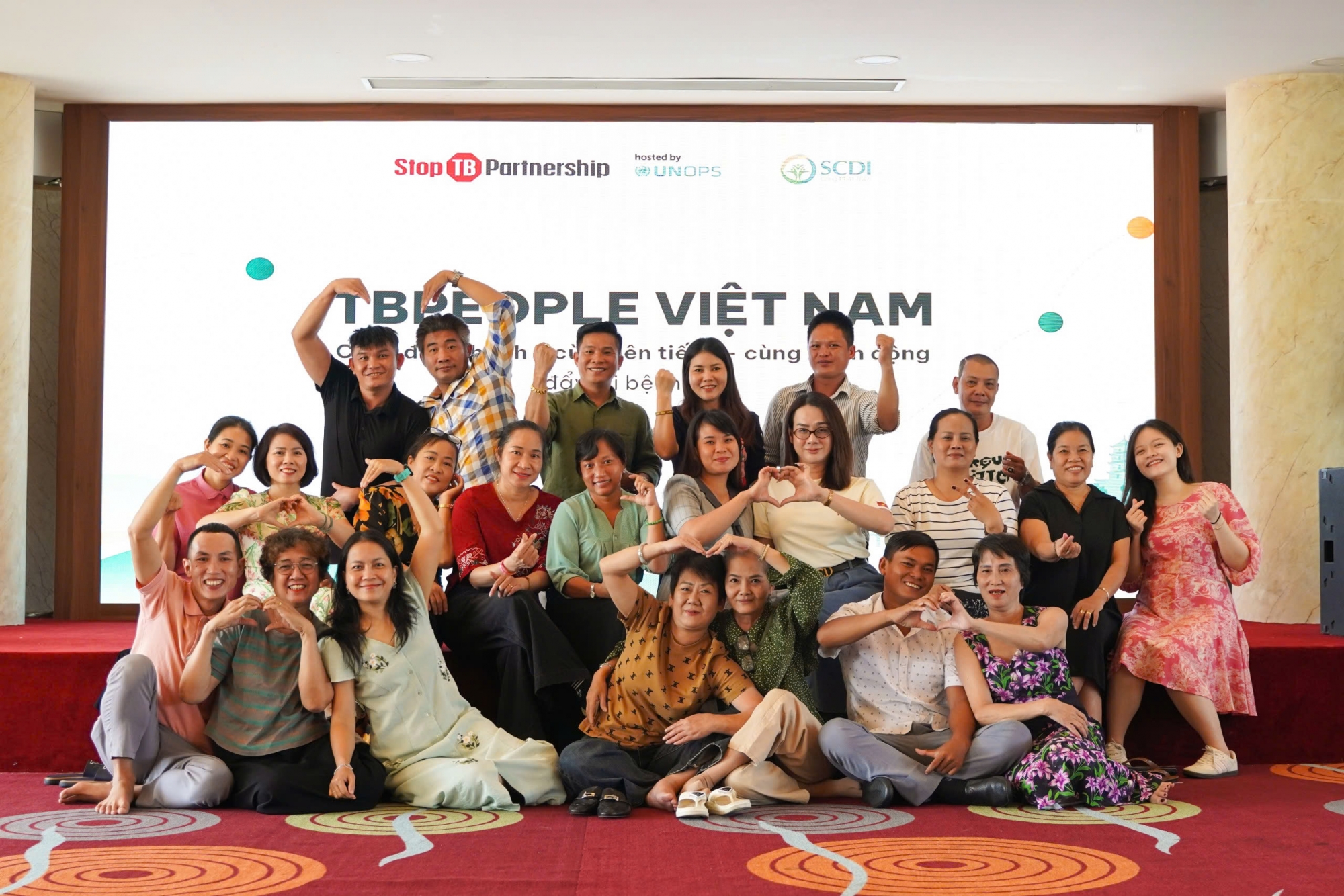
Seeing these difficulties firsthand, Tien Dung and other CSET members in Dak Lak came up with a practical solution: they pooled their own contributions to establish a small internal fund that could provide additional support to patients in need.
Dung also serves as a link between patients and SCDI’s program staff, sharing information about their circumstances so they can be connected with additional support for themselves and their families throughout treatment. Thanks to these timely connections, some families have received not only direct nutritional assistance but also practical support to ease other pressures at home. This has included electric bicycles to help children get to school, as well as books and school supplies. By addressing some of the challenges affecting the whole family, this support can help patients feel less burdened and focus on their recovery.
The work of CSET members in Dak Lak remains challenging. They sometimes face the heartbreak of seeing cases diagnosed too late, as well as the ongoing risk that patients may stop treatment because of financial hardship and other difficulties. Yet the persistence, understanding, and genuine care shown by people like Dung provide a trusted source of support for those affected by TB. By helping patients overcome barriers to care and continue treatment, CSET members contribute to better health outcomes and help families move toward a more stable future.